The post My Top Gifts for Travelers for the Holidays appeared first on Nomadic Matt's Travel Site.
]]>
Travelers can be a fickle group of people to buy gifts for. We’re constantly coming and going, we usually don’t carry a lot of stuff with us, and no two travelers are alike. Finding the perfect gift for the traveler in your life can be tricky.
While a plane ticket is never a bad idea (I’m a window seat in case anyone is thinking of getting me one), I’ve put together this ultimate gift guide for travelers as there’s a lot of great travel gear out there these days that helps people travel cheaper and better.
Even me, the gear-adverse traveler, likes a lot of this stuff!
This is stuff I actually think is super useful. No nonsense. No fluff. Just the best gifts for intrepid travelers and globetrotting nomads.
1. A Travel Lock
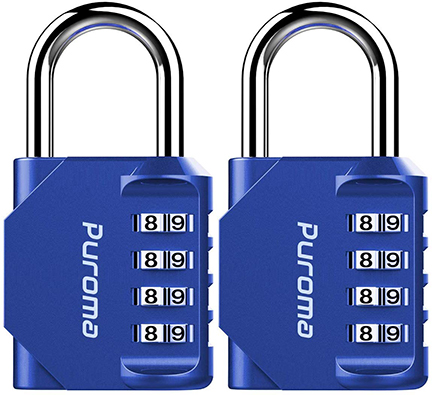 This simple item is one of the most important for the budget traveler. Since many hostels have lockers, backpackers need to have their own travel lock when they’re on the road. While you can usually rent them at hostels, those prices add up after a while. I never leave home without a lock because I know it will come in handy.
2. Loop Earplugs
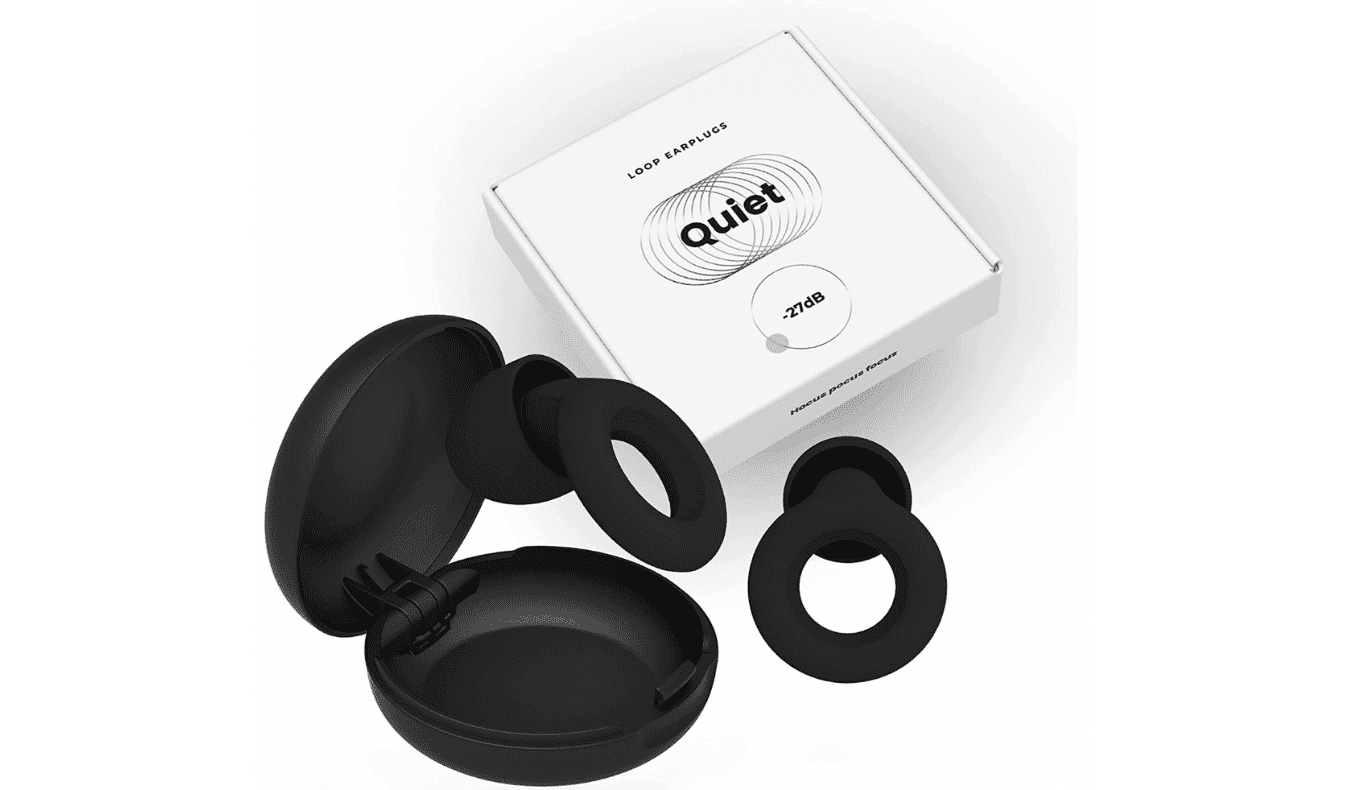 Anyone who has ever stayed in a hostel knows that a quality pair of earplugs is a necessity. From chronic snorers to late-night drinkers to copulating couples in creaking bunks, hostels are known for their less-than-quiet accommodation. I suggest investing in good earplugs and not just the cheap foam ones. Not only will they help you sleep, but they’re great for bus trips and flights as well as wearing as you explore louder, more hectic cities.
3. Travel Adapter
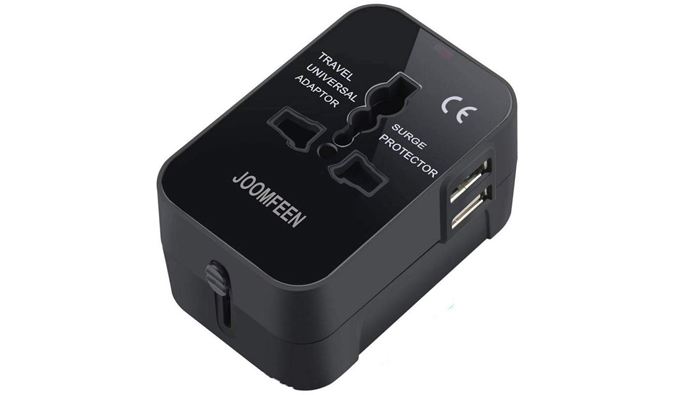 Nothing is more tedious than arriving at a new destination only to realize you can’t charge your devices because the electrical outlets are different. That’s why you’ll need a travel adapter. They’re a simple accessory. There’s a million out there but this is one I use as it covers every region of the world and comes with USB ports too. It’s cheap, easy to use, and lightweight. Everything you need in an adapter.
4. Zbiotics Pre-Alcohol
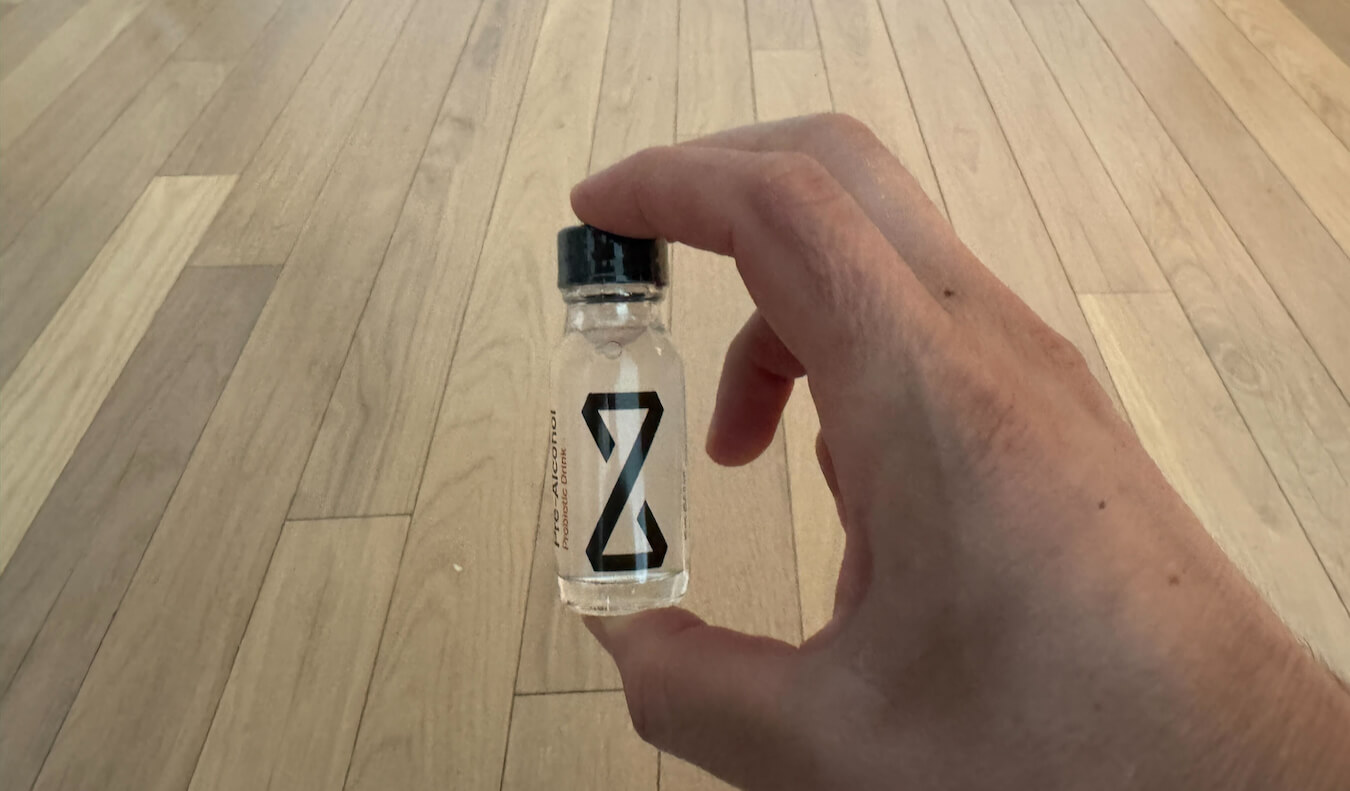
Zbiotics Pre-Alcohol is a pre-drink probiotic that helps you really avoid those rough mornings after drinking. A friend of mine introduced it into our friend group over a year ago and I’ve been hooked ever since. It really does work. I take it with me whenever I travel and have gotten other friends, fellow travel writers, and even a tour guide in Peru onto it. It will make your next mornings bright and it helps me ensure that I’m not feeling too bad to do stuff the next day. I love this product. It works. If you or a traveler on your gift list drinks, take it. You can save 10% off with the code NOMADICMATT.
5. Scratch Travel Maps from Landmass
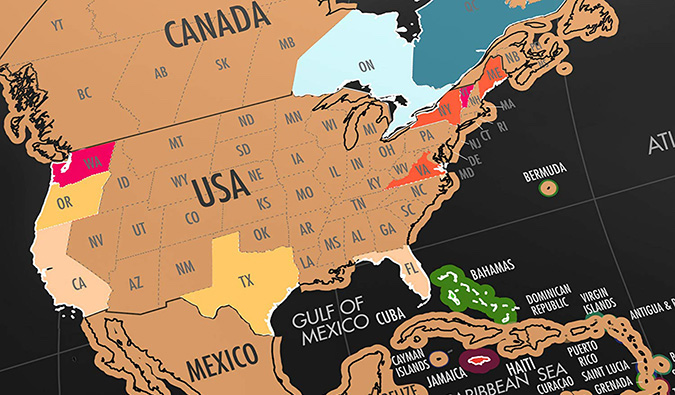 Scratch maps are a fun way to keep track of your past travels while helping you stay inspired as you plan your future trips. You simply scratch off the parts of the world you’ve been. Simple. Easy. Landmass is my favorite company that makes these, though there are plenty of other companies that make them now so you can find them in all sorts of sizes and colors.
6. Passport Holder
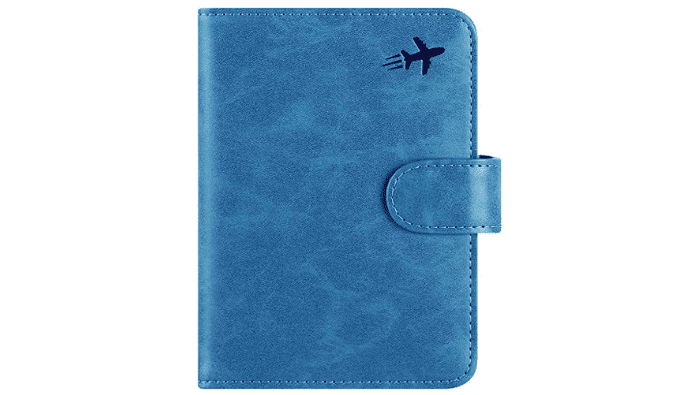 A passport holder is a must-have for any avid traveler. Not only does it protect your passport from wear and tear, it makes your travels much more convenient. Most passport holders have slots for your travel credit cards as well as any cash you have, making it a safe and convenient way to keep your valuables secure while you travel. While there are tons of expensive and fancy passport holders out there, a simple one will get the job done and save you money in the process (money you can spend on more travels!).
7. Hand-drawn Food Maps
 These are unique, hand-drawn typographic maps of food from Legal Nomads and artist Ella Frances Sanders. They make a thoughtful gift for anyone who loves to eat and travel (and who doesn’t!). They come in a variety of sizes too! Jodi’s maps are the best! (Use code NOMADICMATT to save 10%)
8. How to Travel the World on $75 A Day (and Other Travel Books!)
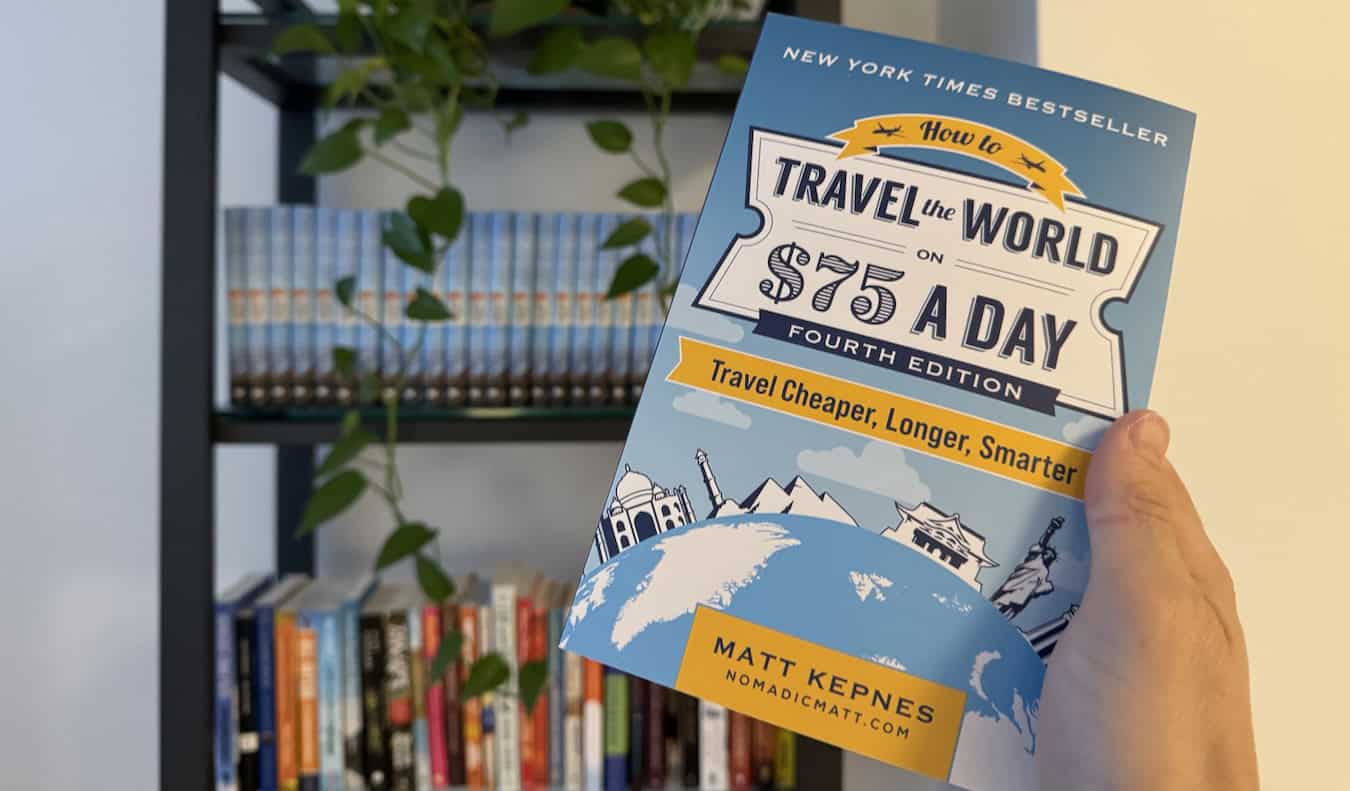 Want to travel more for less? Pick up a copy of my New York Times bestselling guide to budget travel and never overpay for travel again! With this book, you’ll get an easy-to-follow step-by-step guide to planning a trip on a budget. And, with super detailed sections to regions around the globe, you’ll be able to navigate every region around the world like a pro! This book takes all the knowledge from this website and puts it all into one place with even more details and resources! And it’s not just for long-term travelers either. The tactics and strategies you’ll learn apply to a trip of any length of time!
For more travel book suggestions, you can check out my list of recommended reading on Amazon and Bookshop (I have hundreds of book suggestions there!).
9. Celiac Travel Cards
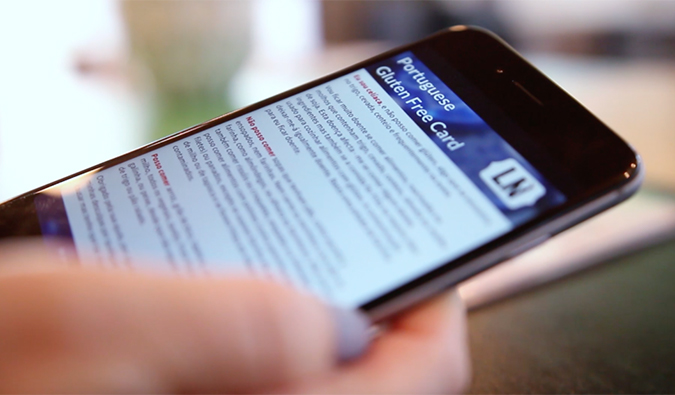 My friend Jodi from Legal Nomads created these helpful travel cards for anyone traveling with Celiac disease. They are in-depth resources that communicate your concerns to restaurant staff in a way that allows anyone traveling with the disease to have a worry-free meal. If you or someone you love has Celiac disease, these travel cards are a useful resource! (Use code NOMADICMATT for 10% off!)
10. Dry Shampoo
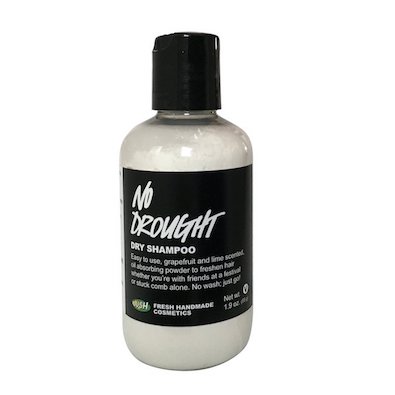
Dry shampoo is a convenient liquid-free alternative to regular shampoo. It’s a useful minimalist solution for budget travelers who travel carry-on only and an eco-friendly choice as well. Natural dry shampoos absorb the grease and oil in your hair, keeping it clean while you’re on the road — and with minimal effort too. It works for all types of hair and hair lengths as well so you don’t need to shave your head or do anything drastic either.
11. Packing Cubes
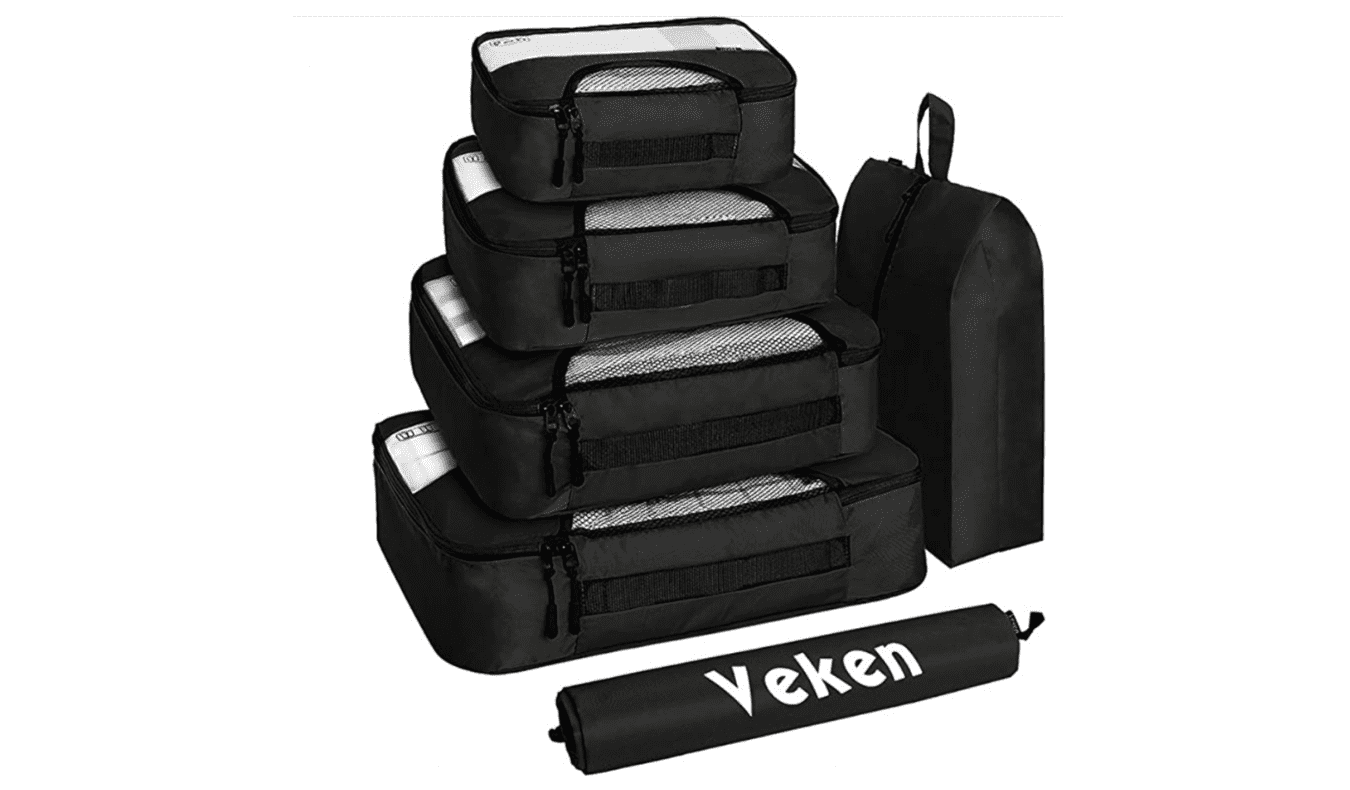 Packing cubes are an awesome tool to help you stay organized while you travel. Whether you’re a budget backpacker or traveling with half a dozen suitcases, packing cubes will keep you organized as you travel the world. They come in a variety of sizes, allowing you to store items big and small. If you know a traveler who needs a hand staying organized, this is the gift for them!
12. HostelPass
 For the traveler heading to Europe, consider gifting a HostelPass. This discount card offers over 130 discounts to hostels in 40 cities throughout 15 countries in Europe. With HostelPass, travelers can save up to 40% on accommodation. It’s the discount card I wish existed when I first started backpacking around Europe and it’s perfect for budget travelers planning a trip around the continent.
13. Trip Chaser

In this fun travel game, you have to prove who’s the most travel-savvy by buying, bartering, and gambling your way to various destinations. Just like actual travel, expect both stumbling blocks and enriching experiences along the way. You’ll rely on the luck of drawing a good event card, or proactively buying travel insurance to save you from the unexpected! It’s a family-friendly game for 2-6 players and perfect for everyone who loves to travel!
14. DryFox Quick Dry Travel Towel
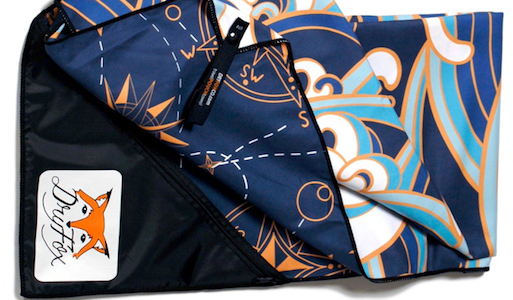 Unless you’re only staying at hotels or using Airbnb, you’re going to need to bring a towel when you travel. Having a lightweight, quick-drying towel makes a huge difference when you’re on the road since regular towels are too bulky and heavy (and they take a long time to dry). Get a travel towel for your next trip so you can travel light. They’re a compact, quick-drying solution that every backpacker needs.
(Use code “nomadicmatt” for 15% off your purchase!)
15. Menstrual Cup
 Menstrual cups are reusable, eco-friendly feminine hygiene products. While I can’t speak to their effectiveness personally, tons of female travelers I know are huge fans. It can be a hassle trying to find the products you need while abroad, making this a simple, effective, and affordable addition to your toiletry kit.
16. Trtl Travel Pillow
 Travel pillows are perfect for those long-haul flights, delayed buses, and airport naps. Every traveler needs to have a travel pillow on hand to maximize that downtime and time in transit, and Trtl pillows are the best on the market. They help prevent jet lag and make even the longest, most uncomfortable trip a little more bearable.
17. Travel Headlamp
 This is a handy tool for both backpackers and anyone looking to do any hiking or camping. In a hostel, a headlamp is helpful if you need to check in or out but don’t want to disturb your fellow travelers. For outdoorsy folks, they’re useful for hiking, setting up camp in the dark, and for emergencies.
18. External Battery
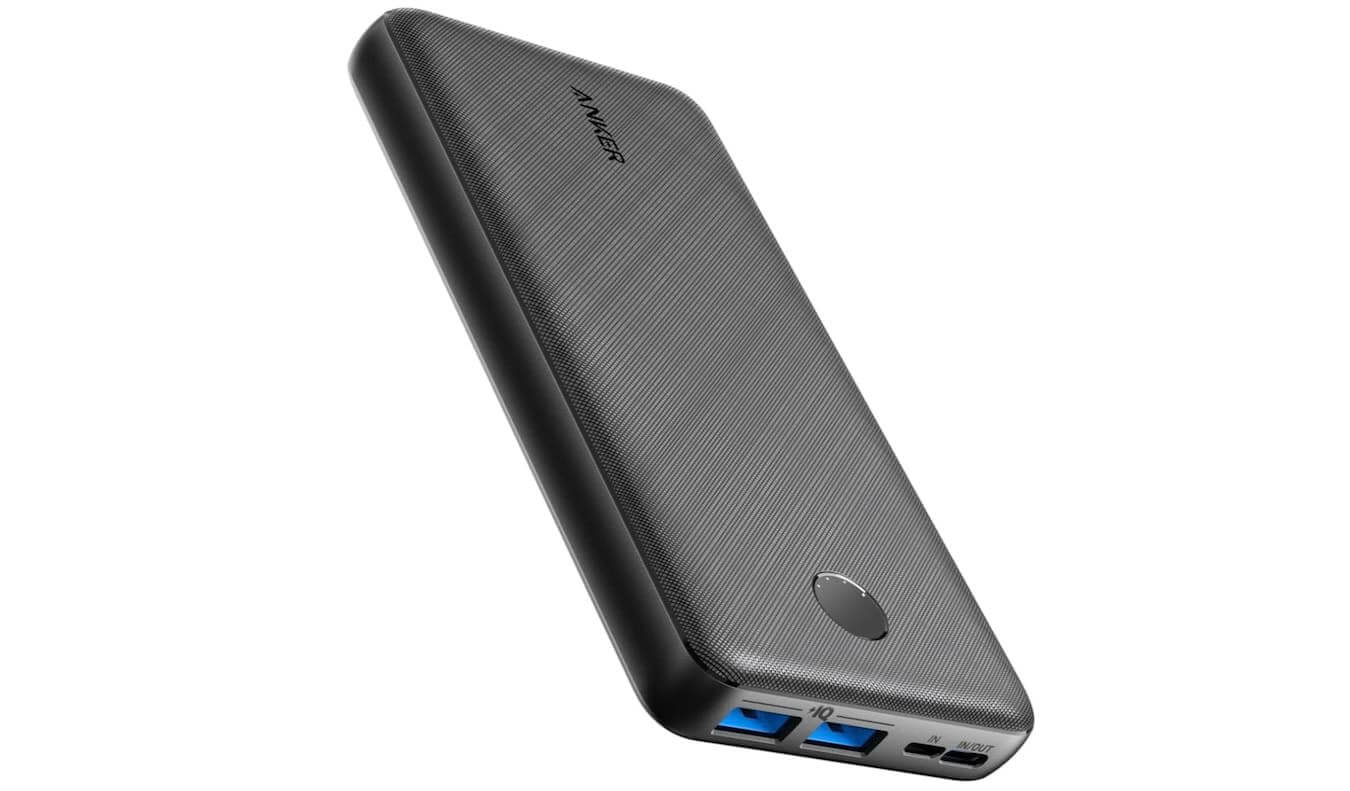 These days, we all travel with numerous electronic devices like phones and tablets. It can be hard to keep them all charged. An external battery solves that problem. Two high-output USB ports make this external battery incredibly convenient, and it can charge most phones up to 6 times in one go!
19. LifeStraw
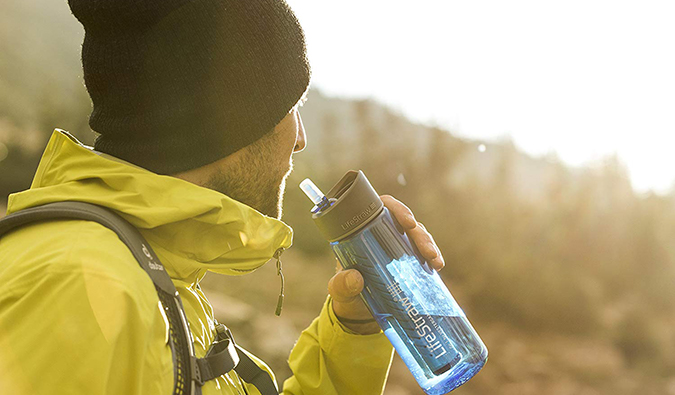 Environmentally, pollution from single-use plastics is something every traveler has witnessed. And, monetarily, when you’re traveling, continuously buying water gets expensive. Do your part to help the planet by traveling with a reusable filter. LifeStraw is an awesome brand with a built-in water filter. The filters last 5 years so you save money on changing them too.
20. Travel Backpack
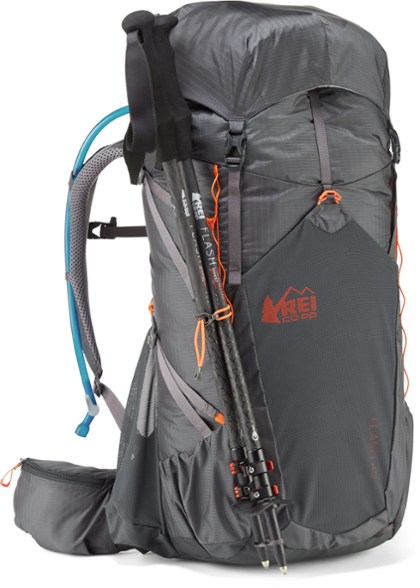 If you’ve got a budget traveler on your holiday list, a travel backpack is the gift that keeps on giving. A well-made bag will last for years and through dozens of adventures. Having a reliable travel backpack is one of the most important items for a traveler.
My favorite bag is the Flash 55 from REI but other companies that make high-quality bags include Osprey, Nomatic, and MEC (for Canadians).
For a smaller day bag, check out the Flash 22. Or if you prefer a bag with wheels, check out the Farpoint 36.
For more backpack suggestions, check out my ultimate guide finding the right backpack for more options!
21. Travel Clothing from Unbound Merino
 These travel clothes are some of the most versatile on the market. Made from merino wool, Unbound offers clothing that can be worn daily for weeks (and months!) without getting smelly. They are perfect for the traveler who wants to pack lighter. I really love the material, they’re comfortable, they hardly ever need a wash, and they last forever!
22. MacBook Air
 This is my favorite travel computer. It’s light, it’s powerful enough for regular use, and the battery life lasts a long time. While an iPad might be another potential travel choice, I find the Air much more versatile — especially with their new M4 chip. You can just do a lot more with it. When I’m on the road, this is the laptop I travel with.
For a non-Apple phone with an equally awesome camera, check out the Google Pixel. It has an excellent camera!
23. Noise-Canceling Headphones
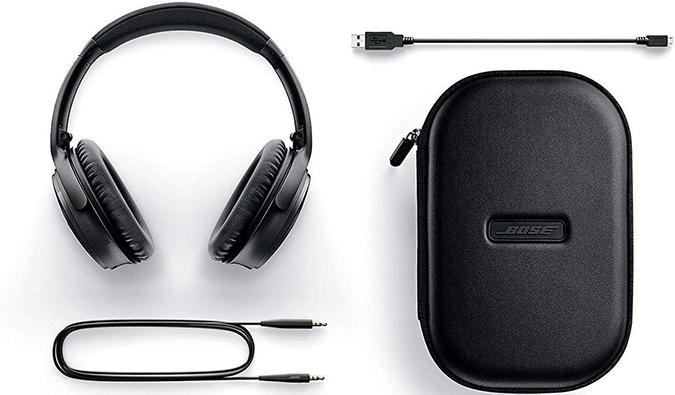 These are ideal for those long flights or bus trips as they block out background noise so you can read, work, or sleep without being disturbed. The wireless Bose QuietComfort 45 headphones are fan favorites and my go-to brand. They are comfortable, rechargeable, and do an amazing job at removing background noise. If you’re on a budget, consider the QuietComfort 25 instead.
24. Kindle
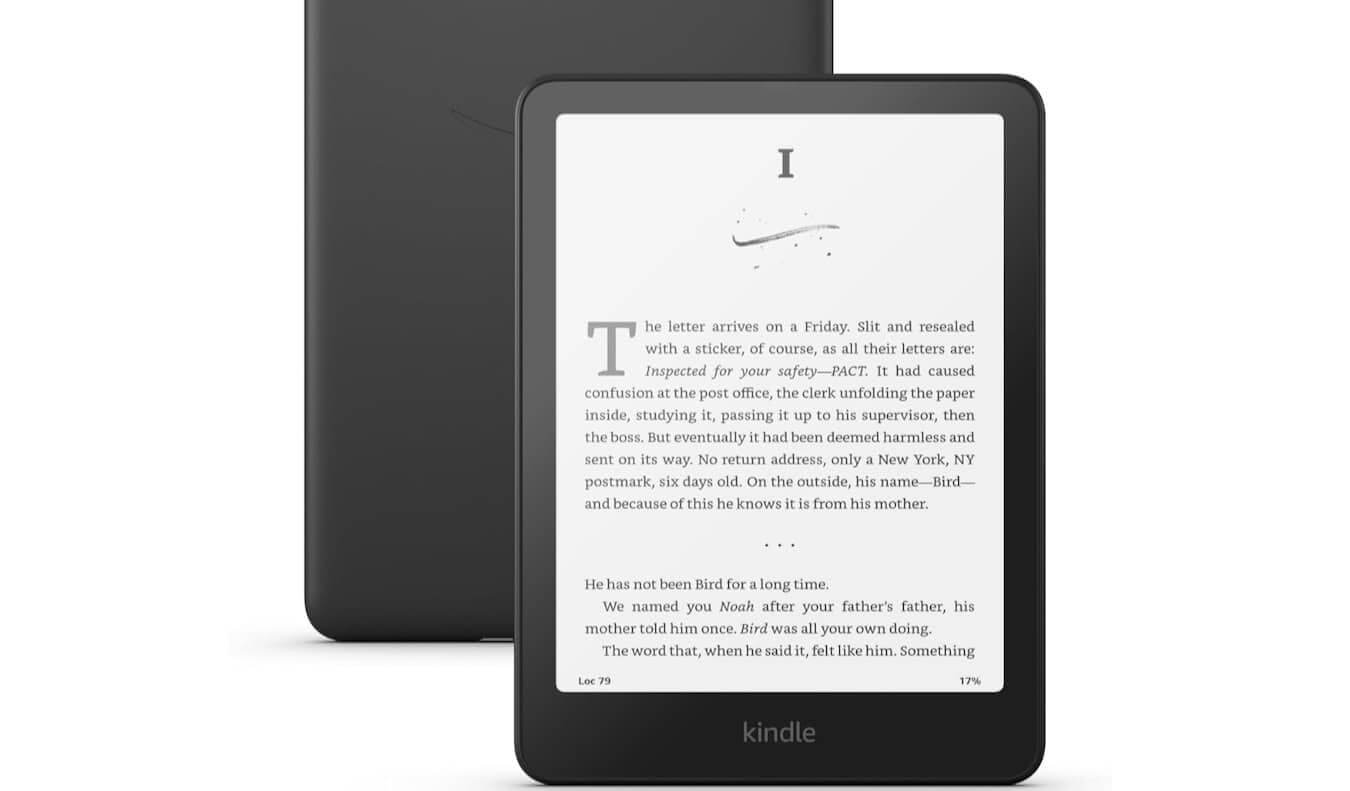 While I personally prefer to read physical books, I can’t argue against the convenience and simplicity of the Kindle. Hauling around physical books is a pain if you’re traveling often. With a Kindle, you can pack over 1,000 books into a single device and many versions can also use apps and access the internet. It’s a wonderful gift for the avid reader.
25. GoPro Hero 12
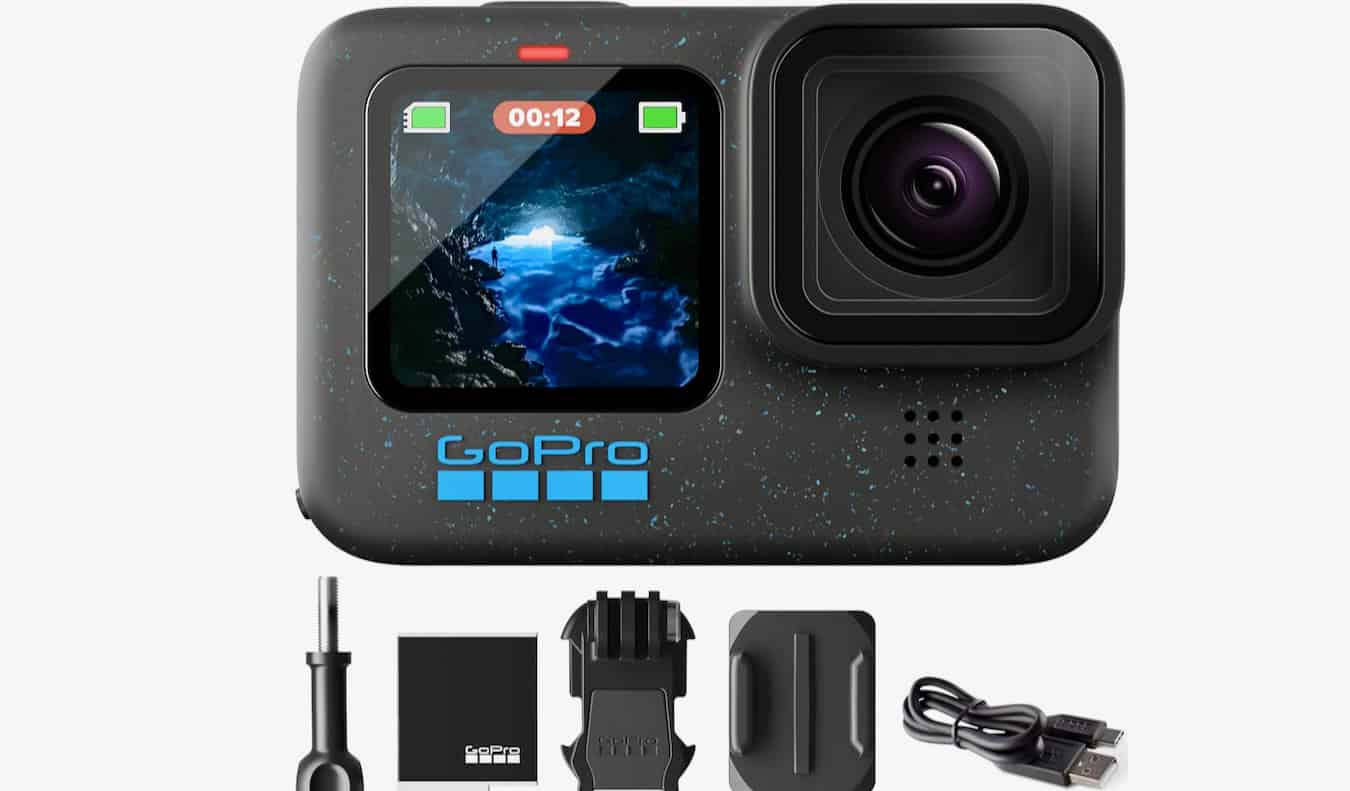 Every traveler needs a camera, and few are as versatile and durable as the GoPro. They’re incredible for photos and video no matter the climate. They’re waterproof and are perfect for both everyday city exploring as well as more extreme and adventurous activities. They’re just awesome. If the Hero 12 is too pricey, grab the 10 or 11. They’re almost as good and a bit cheaper!
Book Your Trip: Logistical Tips and Tricks
Book Your Flight
Find a cheap flight by using Skyscanner. It’s my favorite search engine because it searches websites and airlines around the globe so you always know no stone is being left unturned.
Book Your Accommodation
You can book your hostel with Hostelworld. If you want to stay somewhere other than a hostel, use Booking.com as it consistently returns the cheapest rates for guesthouses and hotels.
Don’t Forget Travel Insurance
Travel insurance will protect you against illness, injury, theft, and cancellations. It’s comprehensive protection in case anything goes wrong. I never go on a trip without it as I’ve had to use it many times in the past. My favorite companies that offer the best service and value are:
- SafetyWing (best for budget travelers)
- World Nomads (best for mid-range travelers)
- InsureMyTrip (for those 70 and over)
- Medjet (for additional evacuation coverage)
Want to Travel for Free?
Travel credit cards allow you to earn points that can be redeemed for free flights and accommodation — all without any extra spending. Check out my guide to picking the right card and my current favorites to get started and see the latest best deals.
Need a Rental Car?
Discover Cars is a budget-friendly international car rental website. No matter where you’re headed, they’ll be able to find the best — and cheapest — rental for your trip!
Need Help Finding Activities for Your Trip?
Get Your Guide is a huge online marketplace where you can find cool walking tours, fun excursions, skip-the-line tickets, private guides, and more.
Ready to Book Your Trip?
Check out my resource page for the best companies to use when you travel. I list all the ones I use when I travel. They are the best in class and you can’t go wrong using them on your trip.
The post My Top Gifts for Travelers for the Holidays appeared first on Nomadic Matt's Travel Site.
]]>The post Holafly eSIMs: A Better Way to Stay Connected When You Travel appeared first on Nomadic Matt's Travel Site.
]]>
When you’re traveling, staying connected is essential. Whether you’re figuring out the best route to your hostel, finding a place to eat, or translating a train schedule or menu, having reliable data makes life on the road infinitely easier. I still remember my early days of travel carrying a physical guidebook around as I wandered the streets looking for my accommodation.
Or, when smartphones became widespread, searching for a SIM card kiosk to buy a physical SIM, trying to poorly communicate with staff in a language I didn’t know, and spending 20 minutes swapping out tiny plastic chips.
Luckily, things have changed and life is incredibly easier thanks to eSIMs. Rather than needing a physical SIM card, you can download an app that gives you tons of high-speed data. In a world where we need to be connected for so many reasons (for example, everything in China is paid through an app, so you need data), eSIMs are great.
One company that’s become a major player in this space is Holafly. (Use the code MATTK to get a 5% discount.) They offer unlimited data, quick setup, and global coverage without the hassle of finding a physical SIM card.
In a world of seemingly never ending eSIM companies, they are one of the best. In this blog post, I will tell you why!
Who is Holafly?
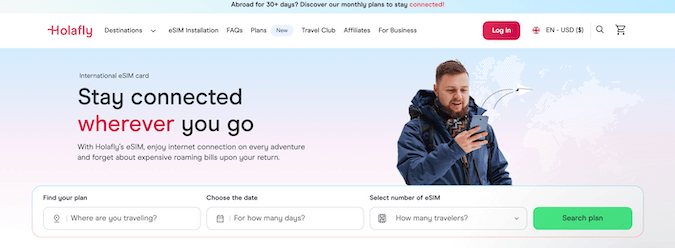
Holafly is a Spanish-founded company that started back in 2017 and is now based in Dublin. They offer eSIMs that you can install on your phone via QR code. Once activated, they let you connect to the internet abroad using local carrier networks. What sets Holafly apart from a lot of other providers is that over 200 of their options come with unlimited data and are priced by days rather than gigabytes. You can personalize the days from 1 up to 90 days in over 200 destinations. Holafly’s coverage is also pretty extensive. They offer service in over 200 destinations, which includes most of Europe, Asia, North America, and Latin America.
How to Set Up Holafly
The process of setting up Holafly is incredibly straightforward. Here is how to do it:
Check your phone first – Make sure your device is unlocked and supports eSIM (most recent iPhones and many newer Androids do). Have a Wi-Fi connection handy for setup.
Save the email & QR – Keep the QR code and order info somewhere safe.
Install the eSIM – While on Wi-Fi, open the confirmation email and scan the QR code from your phone camera or tap the activation link. There are three options:
- Scan the QR Code
- Manual Installation
- One-Button Install for iOS 17.4 or above
On iPhone: Settings -> Cellular (or Mobile Data) -> Add Cellular Plan -> scan the QR.
On Android: Settings -> Network & internet (or Connections) -> SIMs or Mobile network -> Add eSIM / Add mobile plan -> scan the QR. (Exact labels vary by phone.)
On arrival, enable data roaming for the eSIM – Go to Cellular/Mobile Data settings, select the Holafly line and turn on Data Roaming and Mobile Data for that line. (Turn off Mobile Data for your home SIM to avoid accidental roaming charges.)
Holafly partners with local carriers, so your connection depends on whichever network is strongest in that region. Note that Holafly’s eSIMs are data-only. You can keep your home SIM card in your phone for texts or calls, while Holafly handles all your data. Apps like WhatsApp, iMessage, and Telegram will still work with your regular number, so you can message friends and family just like you would at home.
The “unlimited data” promise is what draws most people in, and for good reason. Most eSIM companies sell data in small bundles, which adds up quickly, especially if you’re using maps, social media, or video calls. With Holafly, you just pay for the number of days you need and get unlimited data during that time.
Plans start at around $4 USD per day, though they are cheaper if you get more days or choose their new subscription options Holafly Plans.
Plus, Holafly offers 24/7 customer support multilingual, hotspot capabilities, 15+ regional eSIMs, a global eSIM, no hidden costs, and an incredible 6 month flexible refund policy.
I think it’s one of the best eSIM options for travelers who want reliability and ease of use. It’s especially great for people visiting multiple countries or anyone who relies heavily on mobile data — bloggers, remote workers, or digital nomads. The connection has been consistent, speeds are good, and the ability to set everything up before I even leave home is a huge time-saver
At the end of the day, that’s really what makes Holafly appealing: simplicity. You don’t have to think about data, SIM cards, or network compatibility. You just scan, activate, and go. For travelers like me, that convenience is priceless.
Use the code MATTK to get a 5% discount on any eSIM for your next adventure!
Terms and Conditions:
- For Website or App
- 5% on eSIMs and 10% off on Holafly Plans for the first 12 months
- No minimum purchase requirement
- All customers
- No usage limits
- Can’t combine with other discounts (except Holafly Plans annual subscription 22%)
- Active from now, no end date
How to Travel the World on $75 a Day
My New York Times best-selling book to travel will teach you how to master the art of travel so that you’ll get off save money, always find deals, and have a deeper travel experience. It’s your A to Z planning guide that the BBC called the “bible for budget travelers.”
Book Your Trip: Logistical Tips and Tricks
Book Your Flight
Find a cheap flight by using Skyscanner. It’s my favorite search engine because it searches websites and airlines around the globe so you always know no stone is being left unturned.
Book Your Accommodation
You can book your hostel with Hostelworld. If you want to stay somewhere other than a hostel, use Booking.com as it consistently returns the cheapest rates for guesthouses and hotels.
Don’t Forget Travel Insurance
Travel insurance will protect you against illness, injury, theft, and cancellations. It’s comprehensive protection in case anything goes wrong. I never go on a trip without it as I’ve had to use it many times in the past. My favorite companies that offer the best service and value are:
- SafetyWing (best for budget travelers)
- World Nomads (best for mid-range travelers)
- InsureMyTrip (for those 70 and over)
- Medjet (for additional evacuation coverage)
Want to Travel for Free?
Travel credit cards allow you to earn points that can be redeemed for free flights and accommodation — all without any extra spending. Check out my guide to picking the right card and my current favorites to get started and see the latest best deals.
Need a Rental Car?
Discover Cars is a budget-friendly international car rental website. No matter where you’re headed, they’ll be able to find the best — and cheapest — rental for your trip!
Need Help Finding Activities for Your Trip?
Get Your Guide is a huge online marketplace where you can find cool walking tours, fun excursions, skip-the-line tickets, private guides, and more.
Ready to Book Your Trip?
Check out my resource page for the best companies to use when you travel. I list all the ones I use when I travel. They are the best in class and you can’t go wrong using them on your trip.
The post Holafly eSIMs: A Better Way to Stay Connected When You Travel appeared first on Nomadic Matt's Travel Site.
]]>The post How to Find a Cheap Car Rental appeared first on Nomadic Matt's Travel Site.
]]>
I love road trips. You get in car and can just head off anywhere you want. There’s a freedom to a road trip that you can’t get with trains (and, don’t get me wrong, I love train travel too). Small towns, beautiful parks, historic buildings….whatever you see, you can stop for and can stay as little or as long as you’d like!
Over the years, I’ve been on dozens of road trips. Some destinations are just meant for them (think New Zealand, Ireland, Iceland, the United States, South Africa, etc, etc.).
However, when you don’t have your own car, renting one can be a pain in the ass. No one likes doing it and we all (rightly) worry we’re getting ripped off. There’s always a lot of questions that go with renting a car.
Where can I find the best deals?
How do I know this cheap car rental site is legit?
What are things I should watch out for?
And what about insurance? Do I really need that? Or is my credit card’s insurance good enough?
In this post, I am going to share my tips and advice to help you find a cheap (but reliable) car rental and how to avoid common pitfalls that many travelers make.
Step 1: Join Rental Company Mailing Lists & Loyalty Programs
Most rental car companies advertise deals to their subscribers first. As soon as you know that you’re going on a road trip, join the mailing lists of the major car rental company. That way, you can snag any deals on offer as soon as they are announced.
To find the main rental car companies in your destination, simply visit the website of the airport you’re arriving at and see what car rental companies are available there.
Additionally, like airlines, many car rental companies have loyalty airlines that offer perks like discounts, bonus upgrades, and free rentals. Enterprise, Avis, Alamo, and Hertz are some of the major players on the market that offer free loyalty programs. Sign up for them so you don’t miss out on any perks, offers, or upgrades.
Step 2: Search for a Car with Discover Cars
While you can certainly check each car rental company individually for a deal, the best way to compare prices is to use an aggregator. These websites compile information from every car rental website so you don’t have to spend time manually comparing prices before you book.
Discover Cars is the best car search aggregator to use as it pulls more cars from more websites to ensure you find the best deal (it searches over 500 websites for deals). It cover 165 countries and 50,000+ locations worldwide!
You can use the widget below to check prices and get a quote quickly and easily to compare rental car deals with DiscoverCars comparison tool for cheap rentals:
Be sure to compare weekly and daily rates as well. For example, if you need a car for 4 days, compare the price for a 7-day trip as well. Sometimes it’s cheaper to rent for a whole week and just return the vehicle early.
Step 3: Check for Discounts & Deals
Some car rental websites share discounts directly on their website. For example, b oth Budget and Avis have “last minute deals” sections on their website where you can find incredible discounts as long as you’re flexible with your dates and destination.
Most major car rental companies also offer discounts and deals to certain groups as well. For example, Avis offers up to 35% off to AARP members (AARP is an interest group in the U.S. for people 50 and over) while Budget offers up to 35% off to veterans. Check and see if there are any discounts or deals you qualify for before you book, such as corporate discounts, government discounts, senior discounts, or discounts that stem from any hotel or airline programs you are a part of.
Many travel credit cards also have perks or discounts for car rentals.
Step 4: Check the Sharing Economy
Now that you’ve found the best deal, it’s time to do a quick comparison with sharing economy websites like Turo. Turo is like Airbnb but for cars. Locals list their vehicle and a price per day and you can browse the options and book a vehicle. It’s not available everywhere (they’re currently only in the United States, Australia, France, the United Kingdom, and Canada) but you can find it in most major cities. Depending on your needs and the duration of your trip, you might be able to find a cheaper deal.
Renters need to be at least 21 years old, have a valid driver’s license, and have proof of a good auto insurance score. You can either pick up the car, have it dropped off, or meet the owner somewhere to get the keys.
Prices can be as low as $25 USD per day, making it an affordable option if you book early.
And, if you’re looking for an RV, check out RVShare, which is similar to Turo but focused solely on RVs and campervans. They have the largest inventory out there.
There’s also the website Imoova.com, where you relocate people’s vehicles for them. You’ll be on a deadline as vehicles need to be delivered by a certain date, however, rates are usually just $1 per day — and many include some money for gas too.
Step 5: Book Your Car (and Book Early!)
Book early. Like booking flights, the closer you are to the date, the more expensive the car will be — assuming there are any left to rent! The recent pandemic saw car rental prices skyrocket as people shifted from trips abroad to road trips at home. The best time to rent a car is when you know you need to rent a car! Don’t wait.
You can click here to get a quote directly from DiscoverCars aggregator for global rental comparisons.
9 Questions to Ask Yourself Before You Rent a Car

Now that you’ve found a cheap car rental, here are some considerations to keep in mind before you book your rental:
1. Are there driver requirements? – Some countries charge extra if a driver is under 25 years of age. Others require a certain amount of driving experience before one can rent a car (usually one year). Each country has different requirements, so make sure you read the fine print before you book. You can learn more about getting an international driver’s license on this blog post.
2. What does your travel insurance policy require? – Car companies always push you to get extra insurance when you rent a car. But should you? That depends on whether you have your own travel insurance with collision coverage, your own car insurance, or coverage through your travel credit card.
Some travel insurance companies and credit cards want you to decline the insurance from the rental agency, while others insist you get it and make a claim with them first. Before you rent a car, make sure you understand what is required by your existing travel insurance plan. The credit cards listed here have really good car insurance coverage.
3. What is not included? – Once you find a rental car, companies usually try to sell you all kinds of extras. GPS, liability insurance, satellite radio, a children’s car seat — these are just some of the extras not included in most rental cars. Find out what is and isn’t included, so you aren’t surprised when picking up your vehicle.
4. Do you need to fill the tank at the end? – Some rental car companies allow you to drop off the car as is but that is really rare. Most insist you fill up the tank beforehand. If you don’t, they charge you a highly inflated fee for the gas when they fill it up. I always just fill the tank back up before I drop the car back off.
5. How can you avoid getting scammed? – Before you head out on your trip, take pictures and videos of the car. Specifically, the bumper, windshield, and tires as these are the most likely areas to get damaged. That way, when you return it, they can’t blame you for any pre-existing damage. I always walk through with the person handing me the car and do a walk through with someone when I drop it off.
6. Do you have unlimited mileage? – Unlimited mileage is slowly becoming standard. However, it’s not always the default, check that you have unlimited mileage for longer road trips. Otherwise, you’ll be counting miles so you don’t get billed extra.
7. Do they charge for an extra driver? – If you’re going on a road trip with friends or family, chances are you’ll be sharing the driving. Unless you’re going with a spouse or domestic partner (which some companies include as an additional driver for free), that means you need to pay a fee for an extra driver, usually $10-20 USD per day! Limit your extra drivers if that’s the case, otherwise you’ll be charged a fortune. Also, keep in mind that it’s illegal to charge fees for extra drivers in some places (such as California).
8. Where is the pickup/drop-off location? – Most travelers pick up their rental cars at the airport. While convenient, airports charge companies fees for operating there — fees that get passed onto the customer. It’s worth checking around to see if there’s a difference in price for off-airport locations. If they are easy to reach, chances are you can find a cheaper price there.
9. Is the car automatic or manual transmission? – If you’re from the US or Canada and are used to driving an automatic vehicle, you might be surprised when renting a car abroad, as manual transmissions are standard in most other parts of the world. Because of this, renting an automatic-transmission car is usually more expensive. Double-check that you’re renting a vehicle that you can actually drive (don’t take chances trying to teach yourself on a rental car).
Road trips are one of the best ways to explore a new destination and the freedom of having a car is unrivaled, allowing you to get off the beaten path and into all kinds of adventures. And knowing a few things before you rent a car can save you a lot of time, hassle, and expensive pricing.
How to Travel the World on $75 a Day
My New York Times best-selling book to travel will teach you how to master the art of travel so that you’ll get off save money, always find deals, and have a deeper travel experience. It’s your A to Z planning guide that the BBC called the “bible for budget travelers.”
Book Your Trip: Logistical Tips and Tricks
Book Your Flight
Find a cheap flight by using Skyscanner. It’s my favorite search engine because it searches websites and airlines around the globe so you always know no stone is being left unturned.
Book Your Accommodation
You can book your hostel with Hostelworld. If you want to stay somewhere other than a hostel, use Booking.com as it consistently returns the cheapest rates for guesthouses and hotels.
Don’t Forget Travel Insurance
Travel insurance will protect you against illness, injury, theft, and cancellations. It’s comprehensive protection in case anything goes wrong. I never go on a trip without it as I’ve had to use it many times in the past. My favorite companies that offer the best service and value are:
- SafetyWing (best for budget travelers)
- World Nomads (best for mid-range travelers)
- InsureMyTrip (for those 70 and over)
- Medjet (for additional evacuation coverage)
Want to Travel for Free?
Travel credit cards allow you to earn points that can be redeemed for free flights and accommodation — all without any extra spending. Check out my guide to picking the right card and my current favorites to get started and see the latest best deals.
Need a Rental Car?
Discover Cars is a budget-friendly international car rental website. No matter where you’re headed, they’ll be able to find the best — and cheapest — rental for your trip!
Need Help Finding Activities for Your Trip?
Get Your Guide is a huge online marketplace where you can find cool walking tours, fun excursions, skip-the-line tickets, private guides, and more.
Ready to Book Your Trip?
Check out my resource page for the best companies to use when you travel. I list all the ones I use when I travel. They are the best in class and you can’t go wrong using them on your trip.
The post How to Find a Cheap Car Rental appeared first on Nomadic Matt's Travel Site.
]]>The post SafetyWing Travel Insurance Review appeared first on Nomadic Matt's Travel Site.
]]>
Budget travelers love saving money — myself included. But one of the expenses that we shouldn’t be cheap with is travel insurance.
After over 17 years of traveling the world, I still never leave home without it.
Why?
Because I’ve seen firsthand how useful it can be — and how much money it can save.
I’ve lost baggage, had my camera broken, and even needed emergency medical help over the years.
Travel insurance has been there for me each time. Not only has it saved me money but it’s provided me with peace of mind as I explore.
I’ve written extensively over the years about why you need insurance, how to pick the right company, and listed my preferred providers.
Today, I want to talk about my favorite travel insurance company: SafetyWing.
Who is SafetyWing?
SafetyWing is an insurance company that focuses on affordable coverage for budget travelers and digital nomads (though you don’t have to be either to get coverage). It is run by nomads and expats who know exactly what such travelers need.
SafetyWing offers basic insurance plans (called “Nomad Essential”) for a fraction of what other companies charge, although they are also less comprehensive. To me, they are the best overall travel insurance company out there.
Their standard Nomad Insurance coverage costs just $56.28 USD for 4 weeks (for travelers aged 10-39). That’s one of the lowest prices out there for reliable travel insurance. They are super competitive when it comes to price.
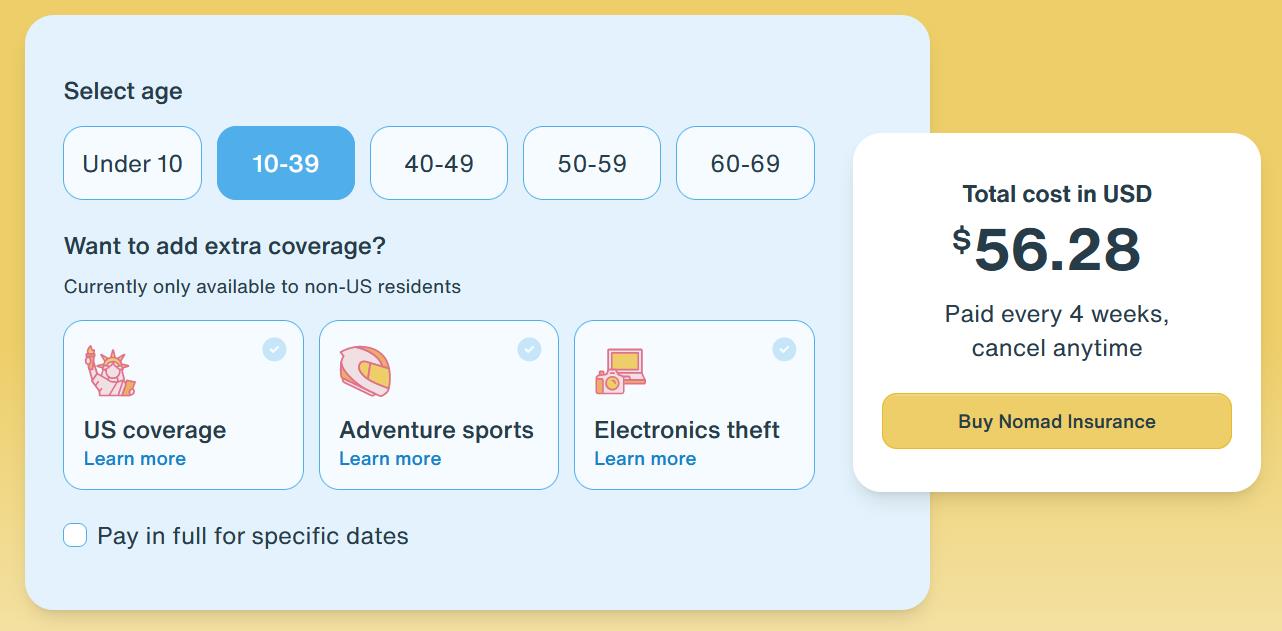
Their coverage extends all the way to age 69, however, travelers aged 60-69 should expect to pay upwards of $196 USD per month for coverage. Still very reasonable, to be honest.
But is the coverage actually good? What about the customer service?
Today I want to review Safety Wing and talk about when it is — and isn’t — worth using so you can better prepare for your next trip and ensure you have the coverage you need.
What Does SafetyWing Cover?
SafetyWing’s standard Nomad Insurance plan is the Essential plan. It’s just $56.28 USD for four weeks of travel (outside the US). That works out to just $1.87 USD per day!
For travelers under age 64, that plan includes the following:
- $250,000 USD in emergency medical coverage
- $1,000 USD for emergency dental care
- $100,000 USD for medical evacuation ($25,000 USD if the cause of medical evacuation is acute onset of pre-existing condition)
- $10,000 USD for an evacuation due to political upheaval
- $5,000 USD for a trip interruption
- Up to $100 a day after a 12-hour delay period requiring an unplanned overnight stay. Subject to a maximum of 2 days.
- $12,500–25,000 USD for death or dismemberment
- $20,000 USD for repatriation of remains
Be sure to check the description of coverage for any conditions that apply.
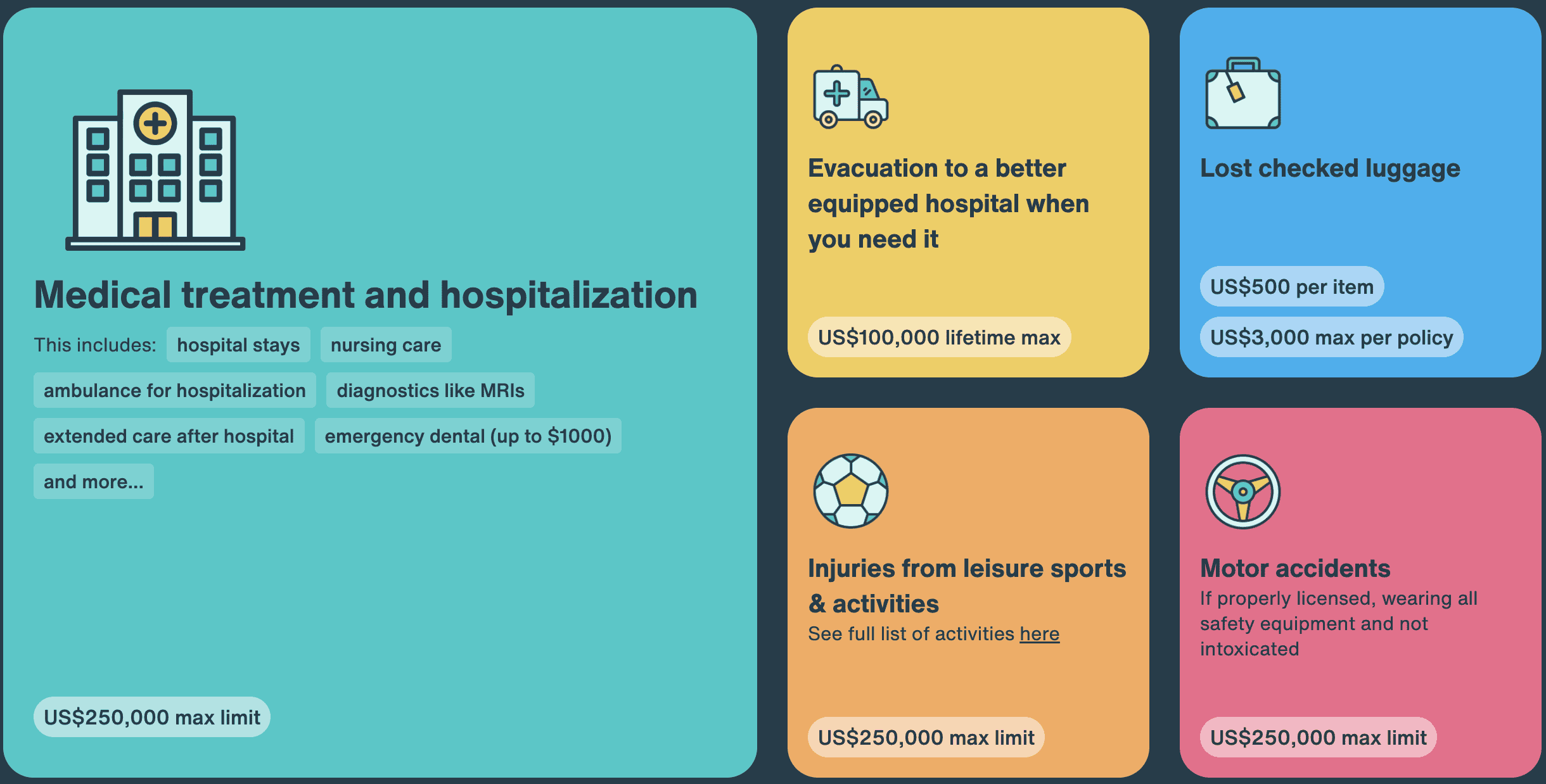
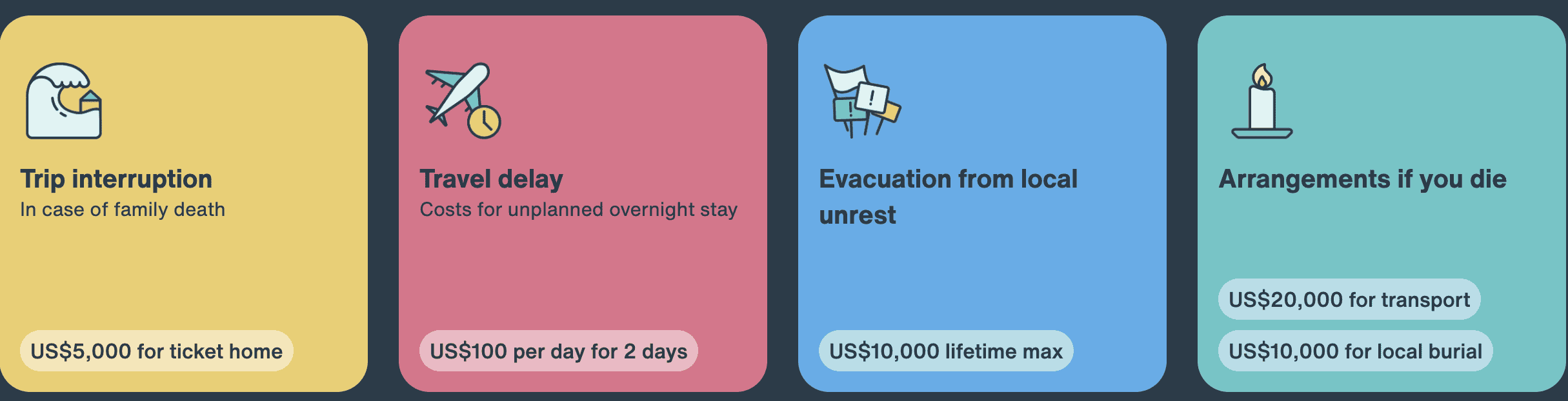
Its $100,000 USD for medical evacuation is on the low end, but unless you’re heading out into the remote wilderness, that should be fine. (If you want higher coverage, get MedJet.)
Its travel-delay payout is pretty low, but airlines and most travel credit cards provide travel delay assistance too so you might not even need the coverage offered by SafetyWing. Additionally, it doesn’t really cover expensive electronics, which sucks if you have a pricey camera or video gear.
As with most standard travel insurance plans, this one doesn’t include pre-existing conditions or certain adventure sports, so it’s not a good policy if you’re going to do a lot of adventure activities on the road.
They do offer a couple helpful add-ons that I think a lot of travelers will appreciate, including coverage for adventure activities and electronics theft. That means that if you need the coverage, you can pay extra for it. However, if you don’t need it then you don’t have to pay for it, keeping your costs low. I appreciate that, as someone who always needs electronic coverage but who never needs adventure activity coverage (I’m not a big adrenaline junkie).
What’s Not Covered?
The Essential plan is primarily geared towards covering medical emergencies and basic travel mishaps (like delays and lost luggage). Here are some things that aren’t covered:
- Alcohol- or drug-related incidents.
- Extreme sports & adventure activities (unless you purchase the adventure sports add-on, which is available for non-US residents)
- Pre-existing conditions or general check-ups
- Trip cancellation
- Lost or stolen cash
Nomad Complete: Coverage for Digital Nomads and Long-Term Travelers
In 2023, SafetyWing launched Nomad Health (now called their “Complete” plan). It’s insurance for digital nomads, remote workers, and long-term travelers. This new plan offers a mix of the standard emergency coverage that we’ve been discussing above along with “regular” health care coverage, such as routine visits and preventive care.
The Complete plan also offers coverage in 175 countries, includes wellness benefits, mental health care, and the ability for individuals to choose their own doctor while traveling. They will be expanding coverage too, including an add-on for “electronics theft” (which, as someone who has been robbed while traveling, I think is a great idea).
It’s like the kind of health insurance you’d find in your home country, ensuring that you’re looked after no matter what happens while you’re abroad.
You can learn more and compare the plans here.
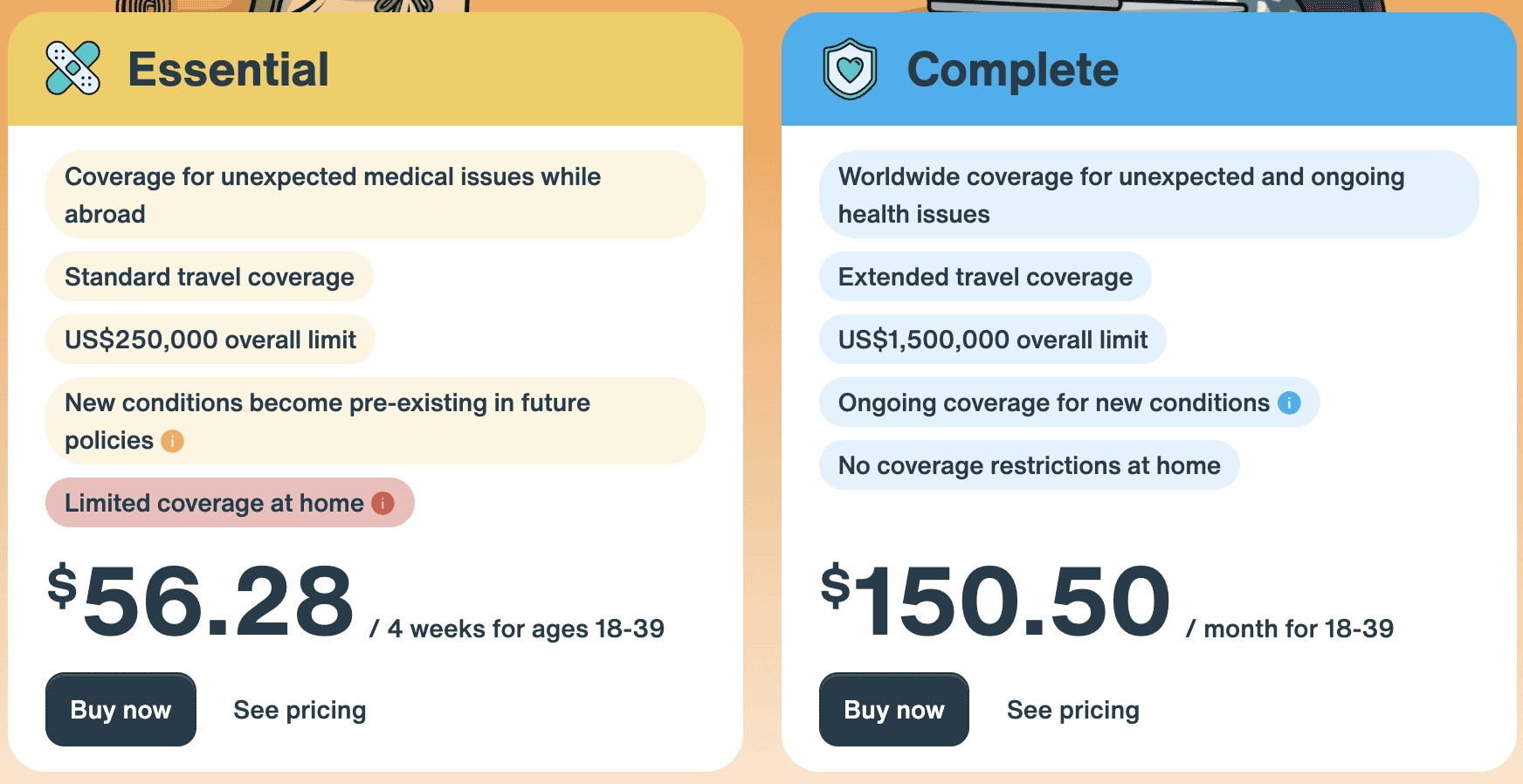
If you’re just heading out for a couple weeks or a couple months, SafetyWing’s Essential plan is the option for you. It’s perfect for emergencies, is super affordable, and is designed for budget travelers. It’s the plan I use when I travel these days.
However, if you’re going to be working abroad or traveling for months (or years), then their new Complete plan is the better option. It offers much more coverage while still being affordable. In fact, it’s the plan I wish I had when I started traveling long-term!
You can learn more about the Complete plan in my dedicated review.
Making a Claim
SafetyWing makes it easy to file a claim through their online portal. You just upload all the required documents, screenshots, and photos, and wait to hear back. While claims can take up to 45 business days, most are handled in less than a week (as of writing, the average wait time is four days).
If you read the reviews online, most people who had a negative experience either didn’t know about the deductible (SafetyWing removed their deductible for non-US residents as of 2024) or hated the length of time it took to get paid. But that’s pretty normal for people to complain about.
On the plus side, SafetyWing’s average time to handle a claim is down to just four days. That’s way faster than most companies!
A Note About COVID
SafetyWing does include coverage for COVID-19. As long as the virus was not contracted before your plan starts, then it will be covered (as long as it is medically necessary).
SafetyWing also covers quarantine costs (outside your home country) for up to $50 USD/day for 10 days (provided that you’ve had your plan for at least 28 days).
Pros and Cons of SafetyWing
Here’s a look that the pros and cons of SafetyWing at a glance to help you decide if it’s the best insurance provider for you and your trip:
on your trip
medical coverage for 30 days in your home
country (15 days if you’re from the U.S.)
(1 per adult) can be included for free
renews every 4 weeks)
Who is SafetyWing Good — and Not Good For?
SafetyWing is designed as mainly medical coverage. Since SafetyWing is designed for the budget-conscious digital nomad, it doesn’t cover some areas that might be more of a priority for a shorter-term traveler. Here’s a quick chart to help you decide if SafetyWing is right for you:
or cancellation
for long-term travel
Travel insurance is something I never leave home without. I know it’s a boring topic to read about and research, but it can literally save you hundreds or thousands of dollars in bills! I never, ever leave home without it. You shouldn’t either.
So, the next time you’re on the road, consider SafetyWing. To me, they are the best travel insurance company out there for budget travelers.
You can use the booking widget below to get a quote (it’s free):
Book Your Trip: Logistical Tips and Tricks
Book Your Flight
Find a cheap flight by using Skyscanner. It’s my favorite search engine because it searches websites and airlines around the globe so you always know no stone is being left unturned.
Book Your Accommodation
You can book your hostel with Hostelworld. If you want to stay somewhere other than a hostel, use Booking.com as it consistently returns the cheapest rates for guesthouses and hotels.
Don’t Forget Travel Insurance
Travel insurance will protect you against illness, injury, theft, and cancellations. It’s comprehensive protection in case anything goes wrong. I never go on a trip without it as I’ve had to use it many times in the past. My favorite companies that offer the best service and value are:
- SafetyWing (best for budget travelers)
- World Nomads (best for mid-range travelers)
- InsureMyTrip (for those 70 and over)
- Medjet (for additional evacuation coverage)
Want to Travel for Free?
Travel credit cards allow you to earn points that can be redeemed for free flights and accommodation — all without any extra spending. Check out my guide to picking the right card and my current favorites to get started and see the latest best deals.
Need a Rental Car?
Discover Cars is a budget-friendly international car rental website. No matter where you’re headed, they’ll be able to find the best — and cheapest — rental for your trip!
Need Help Finding Activities for Your Trip?
Get Your Guide is a huge online marketplace where you can find cool walking tours, fun excursions, skip-the-line tickets, private guides, and more.
Ready to Book Your Trip?
Check out my resource page for the best companies to use when you travel. I list all the ones I use when I travel. They are the best in class and you can’t go wrong using them on your trip.
The post SafetyWing Travel Insurance Review appeared first on Nomadic Matt's Travel Site.
]]>The post My Daily Drop Pro Review appeared first on Nomadic Matt's Travel Site.
]]>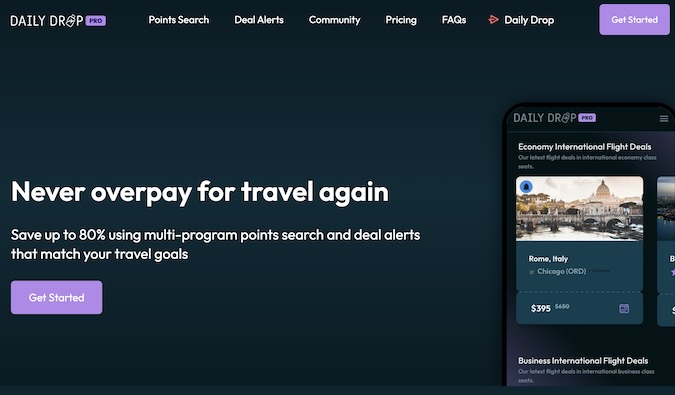
I’m a big fan of Daily Drop. It’s a points, miles, travel, and credit card newsletter created by my friends, Kara and Nate (they run a big YouTube channel of the same name). Daily Drop keeps you informed about the latest news and information around points & miles, as well as updates across the airline and hotel industries.
While the newsletter is free, they also have a subscription service called Daily Drop Pro, which promises even more points deals, alerts, and tools to help you find the award availability you need for your next trip.
But does it deliver? Is it worth the price?
As Daily Drop has gotten bigger, I’ve gotten questions about the service from readers so I figured it was time to breakdown the service and talk about who it is right for.
What is Daily Drop Pro?
According to the team at Daily Drop, Daily Drop Pro was created to be your one-stop shop for flights and hotels (whether with points or cash), deals, and chatting with like minded people in their community forum. The service has five main features:
- Flight Points Search
- Hotel Points Search
- Deal Alerts
- Wallets
- Daily Drop Pro Lounge
Let’s walk through all of them.
Flights Point Search
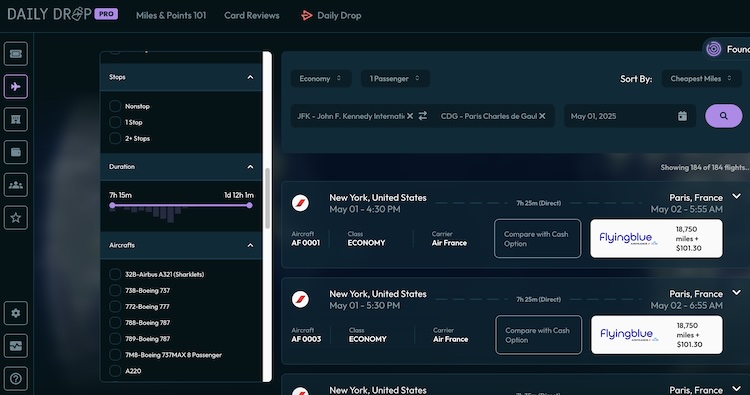
There are lots of websites that let you search for points flights. In addition to Daily Drop, there’s Point.me, Seats.aero, Points Path (a chrome browser extension), and a few others. The space has become incredibly crowded in the last few years.
What makes Daily Drop Pro Different?
The main feature that I really, really like is that you change your preferences to narrow the results based on time of day, stops, duration, maximum points, and aircraft type (which is a feature that is unique to them). They also have a feature that lets you compare the cash rate but that just sends you Google Flights and I don’t think that a real selling point. I think the real edge here is that you can get really specific on the award flights you want, which is something the other services lack.
Hotel Points Search
Daily Drop Pro also lets you search for award space for hotels. There’s not a lot of other competitors in this space and Daily Drop has a ton of options that let you customize your results based on points, programs, award certificates, which hotel programs you can transfer credit cards points, and so many more. I think the hotel award search is the best in class and, like the flight search, its ability to let you get hyper specific is really awesome.
Deal Alerts
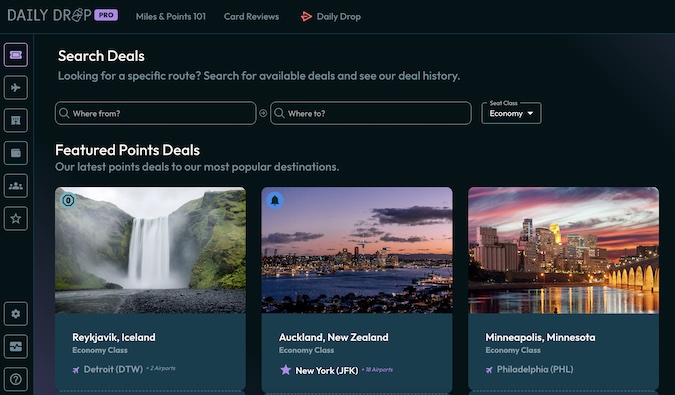
This feature lists points and cash deals. It’s really cool because you can see not only award fare sales (which happen all the time but are a pain in the butt to keep track of) but also cash fare deals. You can select your home airports, choose your preferred travel regions, and let the deals decide your destinations.
Daily Drop Pro’s points deals are detailed, too — showing the taxes and fees of an award, which program to book through and how the redemption stacks up to Daily Drop’s point valuations. It’s one of the more comprehensive deal feeds out there.
Wallet & Points Management
The Wallet lets to link your different accounts (award programs and credit cards) and have them all displayed in one place. Plus, it will remind you of all the perks, credits, and other benefits you get with each card / loyalty program.
If you have a lot of different cards, this can be really helpful because it can be confusing to remember all the perk and deals that come with each card. Heck, even I forget sometimes and I’m expert at this stuff (but when you start to have double digit cards, it’s a lot to remember)!
The Daily Drop Pro Lounge
The lounge allows you to chat with other members. It’s a message board and like all message boards it didn’t seem that active. It’s a good feature but not one that I would rely on given that there’s not a lot of activity on the forum.
How much does Daily Drop Pro cost?
Daily Drop Pro Membership is $149 a year.
Is Daily Drop Pro worth it?
I think Daily Drop Pro is a good product if you have a lot of credit cards and are heavy into the points & miles game. Inputting all your cards and membership programs takes some initial start up time but the ability to track all your points, benefits, and rewards in one place is really convenient. As I said, even I forget about card benefits sometimes. It’s hard to keep multiple cards in your head so having it in one place is nice.
The hotel award feature is definitely the best in class. And, while there are other airline search tools, I do like the increased search filters (especially the ability to filter by plane type!).
And the deals feature can allow you to keep track of all the deals happening in one place rather than subscribe to multiple newsletters and websites.
So, is the service worth $12 a month? I think so. Daily Drop Pro essentially bundles lots of other programs, improves on them, and puts them all into one dashboard for you and that is a real time saver. I think the service is definitely worth it.
Book Your Trip: Logistical Tips and Tricks
Book Your Flight
Find a cheap flight by using Skyscanner. It’s my favorite search engine because it searches websites and airlines around the globe so you always know no stone is being left unturned.
Book Your Accommodation
You can book your hostel with Hostelworld. If you want to stay somewhere other than a hostel, use Booking.com as it consistently returns the cheapest rates for guesthouses and hotels.
Don’t Forget Travel Insurance
Travel insurance will protect you against illness, injury, theft, and cancellations. It’s comprehensive protection in case anything goes wrong. I never go on a trip without it as I’ve had to use it many times in the past. My favorite companies that offer the best service and value are:
- SafetyWing (best for budget travelers)
- World Nomads (best for mid-range travelers)
- InsureMyTrip (for those 70 and over)
- Medjet (for additional evacuation coverage)
Want to Travel for Free?
Travel credit cards allow you to earn points that can be redeemed for free flights and accommodation — all without any extra spending. Check out my guide to picking the right card and my current favorites to get started and see the latest best deals.
Need a Rental Car?
Discover Cars is a budget-friendly international car rental website. No matter where you’re headed, they’ll be able to find the best — and cheapest — rental for your trip!
Need Help Finding Activities for Your Trip?
Get Your Guide is a huge online marketplace where you can find cool walking tours, fun excursions, skip-the-line tickets, private guides, and more.
Ready to Book Your Trip?
Check out my resource page for the best companies to use when you travel. I list all the ones I use when I travel. They are the best in class and you can’t go wrong using them on your trip.
The post My Daily Drop Pro Review appeared first on Nomadic Matt's Travel Site.
]]>The post What I Pack for My Travels: Your Guide to Packing appeared first on Nomadic Matt's Travel Site.
]]>
What I carry in my bag has changed a lot over the years. Most of that change has to do with the fact that I now carry a lot of gear related to blogging, but it also reflects that I’ve learned a lot about packing since I first hit the road in 2006.
I’ve learned different packing techniques through the years. I’ve traveled with big duffel bags, 60L packs, 30L packs, carry-ons, and everything in between. I’ve done it all and in all seasons.
And, today, I want to share that knowledge with you so you can be a better packer because a lot of people always want to know what they should pack for their trip.
The answer?
As little as possible.
Packing light is a cliché, yet one that has a lot of truth to it. The more I travel, the more I realize I don’t need a lot of stuff. Everything I need now fits into one backpack (for more recommendations from my years of testing backpacks, click here for my top travel backpacks.
I like to write down everything I think I’ll need before I go — and then cut it in half. I always ask myself, “Will I use this enough to justify the weight?”
Most of the time the answer is no.
I take only the essentials, and if I really need something I didn’t bring, I buy it on the road. It’s not that hard to find medicine, clothes, or an umbrella overseas.
I also try to stick to the same climate during my trips to avoid having to carry lots of different kinds of clothes. I don’t want to be lugging sweaters around Thailand! However, plans can change, and if that happens, I’ll buy a light jacket or a sweater. I’ll keep it until it is a burden and then give it away.
Also, you can do laundry overseas so I like to carry enough clothes for 7-10 days, do laundry, then repeat. There’s no need to bring a lot of stuff when you can just wash what you have.
As for the long answer to what you should pack? Well, below is my suggested packing list — but you should tailor this to your needs.
(Note: This focuses on travel to a non-winter climate. If you’re heading somewhere cold, you’ll need to adjust accordingly.)
1. Gear
- Laptop
- Smartphone
- eSIM
- Universal power adapter/converter
- External battery/portable charger
- Kindle (if you’re an avid reader and don’t want to lug around books)
- Camera (if you want more than just smartphone photos)
For more gear recommendations, check out this post on the best travel gear.
2. Clothes
- 5 t-shirts
- 1 long-sleeved shirt
- 1 pair of jeans (heavy and not easily dried, but I wear them a lot — a good alternative is khaki)
- 1 pair of shorts
- 7 pairs of underwear
- 1 bathing suit
- 1 pair of flip-flops
- 1 pair of sneakers
- 8 pairs of socks (I always lose my socks so I take extra! I have no idea where they go?)
- 1 pair of dress shoes (This is destination dependent. I do this more in Australia and Europe and less so everywhere else.)
- 1 dress shirt (for going to a respectable place in the evening)
Note: I’m a big fan of Unbound Merino for clothes. You can see a review here.
3. Toiletries
- 1 toothbrush
- 1 tube of toothpaste
- 1 package of dental floss
- Deodorant
- 1 razor
- 1 small bottle of shampoo
- 1 small bottle of shower gel
- 1 towel (always pack a towel!)
4. Small Medical Kit
- Band-Aids
- Hydrocortisone cream
- Antibacterial cream
- Eye drops
- Tylenol
- Hand sanitizer
For more on first aid kits, check out this detailed post on how to make one for any destination.
5. Miscellaneous
- A key or combination lock (everyone should have one!)
- Headlamp (trust me, it comes in handy)
- Ziplock bags
- LifeStraw (water filter)
- Packing cubes
Special tip: Buy a small backpack so you won’t be tempted to overpack. We subconsciously like to fill empty space, so if you have a big bag, you’re more likely to overpack just so you don’t waste space. By getting a smaller backpack, you’ll be forced to take only the essentials — a mind trick that works very well!
I’ve found that this list leaves me wanting for nothing. I’m sure many of you will read this and say, “But what about X?” or “You really don’t need Y.” Well, that works for you, and this list works for me. Tailor your list to suit your travels.
I write this post not because I think there is one perfect way to pack but to answer the recurring question about what I pack and why. This is my list and suits my “chase the summer, live in hostels” lifestyle.
But the real point I want to emphasize is that you really don’t need a lot when you travel. You never need as much as you think.
Next Steps
- Are you female traveler? Click here for a packing list for female travelers!
- Looking for a backpack? Click here to figure out how to pick the best backpack!
- Want more gear information? Click here for more tips on what travel gear to bring!
How to Travel the World on $75 a Day
My New York Times best-selling book to travel will teach you how to master the art of travel so that you’ll get off save money, always find deals, and have a deeper travel experience. It’s your A to Z planning guide that the BBC called the “bible for budget travelers.”
Book Your Trip: Logistical Tips and Tricks
Book Your Flight
Find a cheap flight by using Skyscanner. It’s my favorite search engine because it searches websites and airlines around the globe so you always know no stone is being left unturned.
Book Your Accommodation
You can book your hostel with Hostelworld. If you want to stay somewhere other than a hostel, use Booking.com as it consistently returns the cheapest rates for guesthouses and hotels.
Don’t Forget Travel Insurance
Travel insurance will protect you against illness, injury, theft, and cancellations. It’s comprehensive protection in case anything goes wrong. I never go on a trip without it as I’ve had to use it many times in the past. My favorite companies that offer the best service and value are:
- SafetyWing (best for budget travelers)
- World Nomads (best for mid-range travelers)
- InsureMyTrip (for those 70 and over)
- Medjet (for additional evacuation coverage)
Want to Travel for Free?
Travel credit cards allow you to earn points that can be redeemed for free flights and accommodation — all without any extra spending. Check out my guide to picking the right card and my current favorites to get started and see the latest best deals.
Need a Rental Car?
Discover Cars is a budget-friendly international car rental website. No matter where you’re headed, they’ll be able to find the best — and cheapest — rental for your trip!
Need Help Finding Activities for Your Trip?
Get Your Guide is a huge online marketplace where you can find cool walking tours, fun excursions, skip-the-line tickets, private guides, and more.
Ready to Book Your Trip?
Check out my resource page for the best companies to use when you travel. I list all the ones I use when I travel. They are the best in class and you can’t go wrong using them on your trip.
The post What I Pack for My Travels: Your Guide to Packing appeared first on Nomadic Matt's Travel Site.
]]>The post Saily eSIM Review: A Comprehensive eSIM for Travelers appeared first on Nomadic Matt's Travel Site.
]]>
When I started backpacking almost 20 years ago, there were no smartphones. That meant you had to rely on paper maps, physical guidebooks, and (often outdated) information from random web forums. While it made traveling adventurous, it also made planning a trip very difficult.
Fortunately, times have changed.
It’s never been easier to access information while you’re abroad. From booking hotels to looking up directions to finding places to eat, access to Wi-Fi and mobile data has changed the game.
SIM cards were the first step in making this evolution possible. You’d buy an overpriced physical SIM card on arrival and hope that you didn’t blow through the data before your trip ended (or you moved on to a new country).
But even those days are past thanks to eSIMs, digital SIM cards you can set up before you even leave home. They are easy to use, affordable, and sometimes even come with awesome perks (more on that below).
One of the most popular eSIMs on the market? Saily.
In this Saily eSIM review, I’ll break down what Saily offers and how much it costs so that you can decide if it’s the best choice for your next trip.
What is Saily?
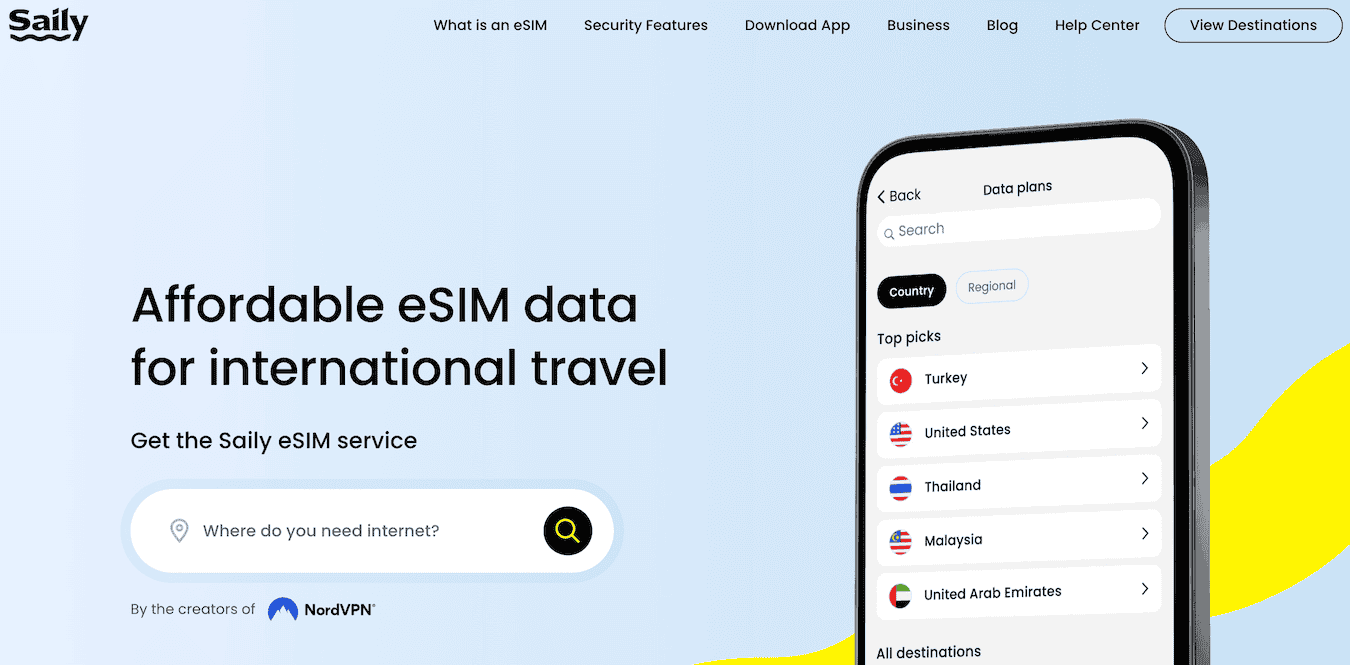
Saily is an eSIM app created by NordVPN. Just like a regular physical SIM card, an eSIM lets you activate and access mobile data while abroad. That means you don’t need to buy a physical SIM card on arrival, you can avoid expensive roaming fees, and you don’t need to use public Wi-Fi (which is often unsafe).
For me, the best part of eSIMs is that you can set them up before you leave. That way, you’ll know exactly how much data you have and can pick out the perfect data plan from the comfort of your home. Saily also has 24/7 chat support, so if you have a question or run into problems you can get the help you need.
And Saily offers plans in over 200 destinations, which means that no matter where you’re heading, they can ensure you stay connected while you’re there.
How to Use a Saily eSIM
While using an eSIM might seem more difficult than just popping in a physical SIM card, it’s actually super easy to get started. Here’s what you need to do:
- Download the app (it’s available on both iOS and Android)
- Create an account and add your payment info
- Select the country you’re going to (or the region)
- Choose your plan
- Follow the prompts provided
That’s it! Now you have an eSIM that activates automatically the moment you land in your destination, saving you the time and energy of having to find one on arrival.
What I especially like, though, is that you just need to install the eSIM once. Going to more countries later in the year? No problem. You just add a new plan for that trip and pay for the new data. No reinstalling for every trip. As I said, it’s super easy!
How Much Does Saily Cost?
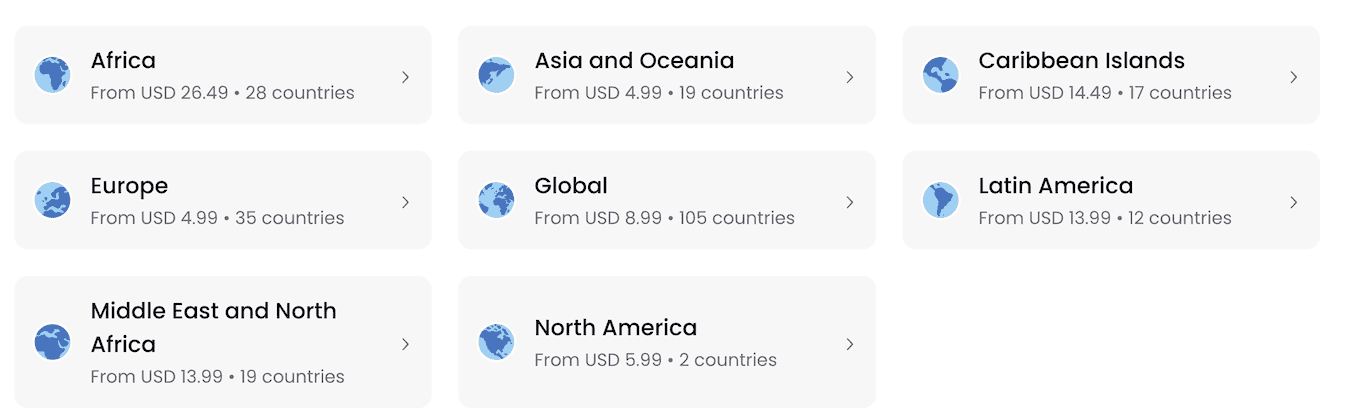
Prices for Saily eSIM plans vary by country, but you can find them for as low as $1.99 USD. For example, if you’re heading to Paris for a week, a 7-day plan with 1GB of data costs $3.99 USD. Staying longer? You can get 30 days of coverage and 20GB of data for just $31.99 USD. Super affordable.
If you’re visiting more than one country, you can also buy a regional plan. These are available for Europe, Africa, Latin America, and more, with prices starting as low as $4.99 USD. They even have a global plan in case you’re going everywhere!
In short, eSIM plans with Saily are very affordable!
Added Security Features of Saily
What makes Saily stand above the competition though is that they are more than just an eSIM company. Their plans include several awesome perks that make using them a no-brainer. Here’s what’s included:
Virtual Location – Saily plans include a virtual location so that you can rest assured your data is secured and private. In the past, I’ve had to buy a separate VPN plan in addition to my eSIMs. Not anymore! Now I can travel knowing my connection is private, secure, and safe from outside access.
Ad blocker – Ads not only make surfing the web a pain, but they chew through your data. With an ad blocker activated, you’ll not only have a better online experience but you’ll save more of your data (which saves you money).
Web protection – When we travel, we often connect to free public Wi-Fi. While convenient, it also opens you up to all kinds of malware (airports are especially bad for this). Having web protection enabled reduces trackers and malicious websites before they reach your device. This ensures your data is safe as you travel.
Pros of Saily
- Competitive rates vs other eSIM companies
- Regional plans available for multi-country trips
- Good data speeds
- 24/7 customer support
- Virtual location
- Ad blocker
- Web protection
Cons of Saily
- Slightly more expensive than buying a local SIM card
- No texting or calls
Saily not only offers a solid product in its eSIM but the added perks make this one of the best eSIM options on the market. It’s affordable, easy to use, and its safety and privacy perks offer incredible extra value. No matter where you’re heading, Saily can ensure you stay connected — without breaking the bank!
Ready to sign up? Use code NOMADICMATT5 to get 5% off!
Book Your Trip: Logistical Tips and Tricks
Book Your Flight
Find a cheap flight by using Skyscanner. It’s my favorite search engine because it searches websites and airlines around the globe so you always know no stone is being left unturned.
Book Your Accommodation
You can book your hostel with Hostelworld. If you want to stay somewhere other than a hostel, use Booking.com as it consistently returns the cheapest rates for guesthouses and hotels.
Don’t Forget Travel Insurance
Travel insurance will protect you against illness, injury, theft, and cancellations. It’s comprehensive protection in case anything goes wrong. I never go on a trip without it as I’ve had to use it many times in the past. My favorite companies that offer the best service and value are:
- SafetyWing (best for budget travelers)
- World Nomads (best for mid-range travelers)
- InsureMyTrip (for those 70 and over)
- Medjet (for additional evacuation coverage)
Want to Travel for Free?
Travel credit cards allow you to earn points that can be redeemed for free flights and accommodation — all without any extra spending. Check out my guide to picking the right card and my current favorites to get started and see the latest best deals.
Need a Rental Car?
Discover Cars is a budget-friendly international car rental website. No matter where you’re headed, they’ll be able to find the best — and cheapest — rental for your trip!
Need Help Finding Activities for Your Trip?
Get Your Guide is a huge online marketplace where you can find cool walking tours, fun excursions, skip-the-line tickets, private guides, and more.
Ready to Book Your Trip?
Check out my resource page for the best companies to use when you travel. I list all the ones I use when I travel. They are the best in class and you can’t go wrong using them on your trip.
The post Saily eSIM Review: A Comprehensive eSIM for Travelers appeared first on Nomadic Matt's Travel Site.
]]>The post SafetyWing Travel Insurance: Which Plan Is Right For You? appeared first on Nomadic Matt's Travel Site.
]]>
Whether you’re traveling to Europe for two weeks or planning an epic round-the-world adventure, you need travel insurance.
Seriously.
I know, it’s not a fun topic to read about. And yes, it will add to your travel budget. But after almost two decades on the road, I’ve learned the hard way just how important travel insurance can be.
I’ve had my luggage lost, I’ve popped an eardrum, and I’ve even been stabbed. Throw in countless delayed and cancelled flights and I’d be out thousands upon thousands of dollars.
Fortunately, I had travel insurance. They were there to help me navigate the problems and ensure I didn’t go broke paying for emergency expenses.
These days, SafetyWing is my go-to travel insurance company. I’ve been using them for years and have found their plans to be super affordable, their customer service fast and friendly, and their coverage to be sufficient for what I need.
Currently, SafetyWing offers two plans for travelers:
- Nomad Insurance Essential
- Nomad Insurance Complete
While both plans are great, they are each designed for specific kinds of travelers. In this post, I’ll break down what each plan covers and who it is for so you can decide which plan is best for your next trip.
The SafetyWing Essential Plan
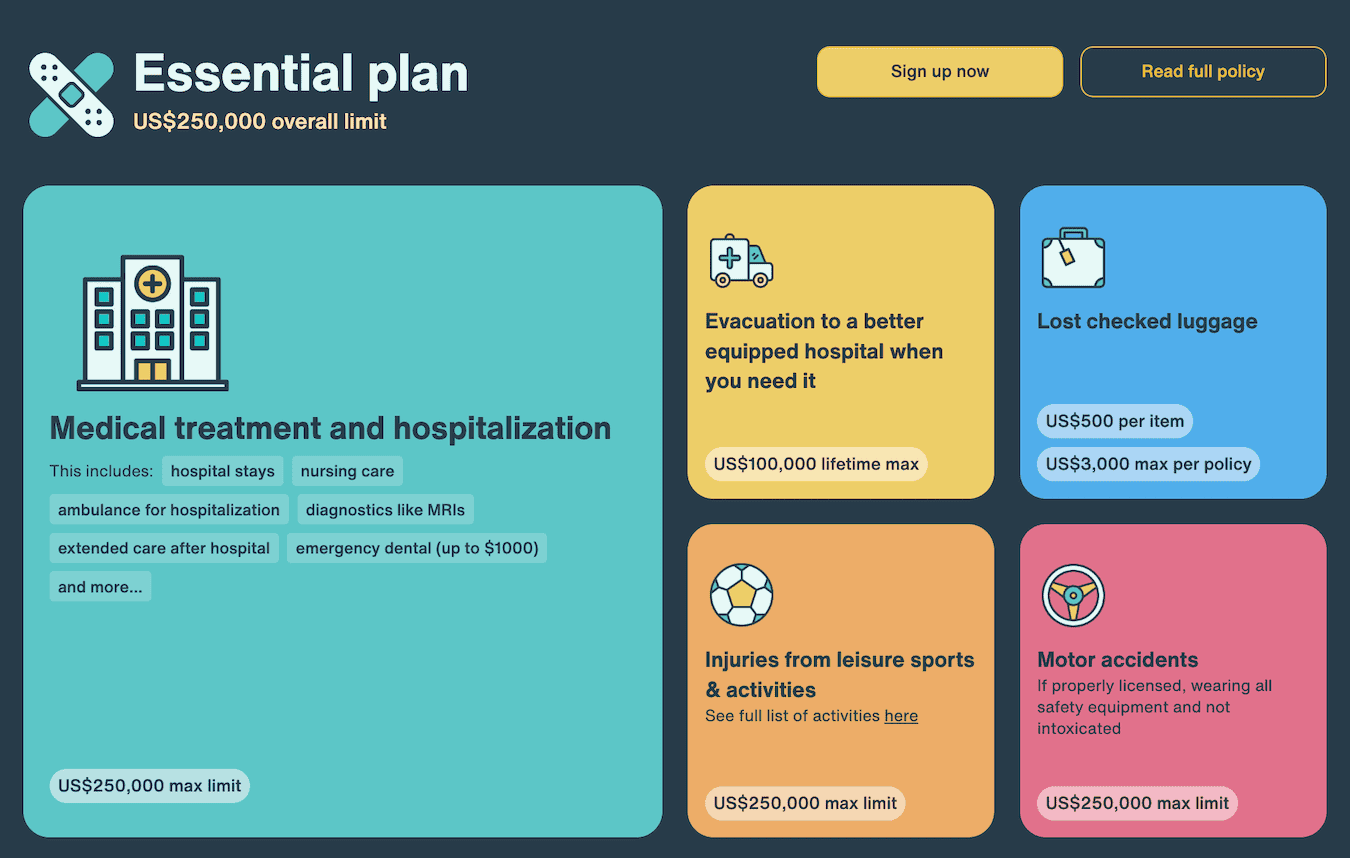
This is the main travel insurance plan from SafetyWing. It’s designed for travelers who want basic coverage without breaking the bank. It’s the plan I use when I travel these days.
The plan costs just $56.28 USD for 4 weeks (for travelers aged 10-39). That’s one of the lowest prices out there for reliable travel insurance. They are super competitive when it comes to price.
For comparison, similar plans from other companies are double that (or more). The plan is suitable for travelers up to age 69, though travelers 60–69 will be paying $196.84.
Here is what the Essential plan covers at a glance:
- $250,000 for emergency medical treatment and hospitalization
- $100,000 for medical evacuation
- $250,000 for motor accidents
- Up to $3,000 for lost luggage ($500 per item)
- $10,000 for evacuation due to political unrest
- $5,000 for trip interruption
- $200 for travel delay ($100 per day for two days)
They also have three helpful add-ons:
- Coverage for adventure sports
- Coverage if you’re visiting the US
- Coverage for electronics theft
Since not everyone needs these, I like that they are available as add-ons. Personally, I always need extra electronics coverage, but I never need coverage for adventure sports since I am pretty much the opposite of an adrenaline junkie. I like that I can customize the plan to suit my travel plans/travel style.
Who is the essential Plan For?
SafetyWing’s primary plan is great for a wide range of travelers. Here are the kinds of travelers that I think the policy is best for:
Backpackers – I think the Essential’s plan is the best travel insurance plan for travelers on a budget. It’s what I use when I travel these days because it balances affordability with coverage. At just a couple bucks per day it won’t break the bank and it has coverage for all the most serious potential emergencies.
Budget & Midrange Travelers – If you’re traveling to Europe for a few weeks or heading to the Caribbean for a relaxing holiday, this plan is for you. It balances cost with emergency coverage, as well as some coverage for things like delays and cancellations.
The SafetyWing Complete Plan
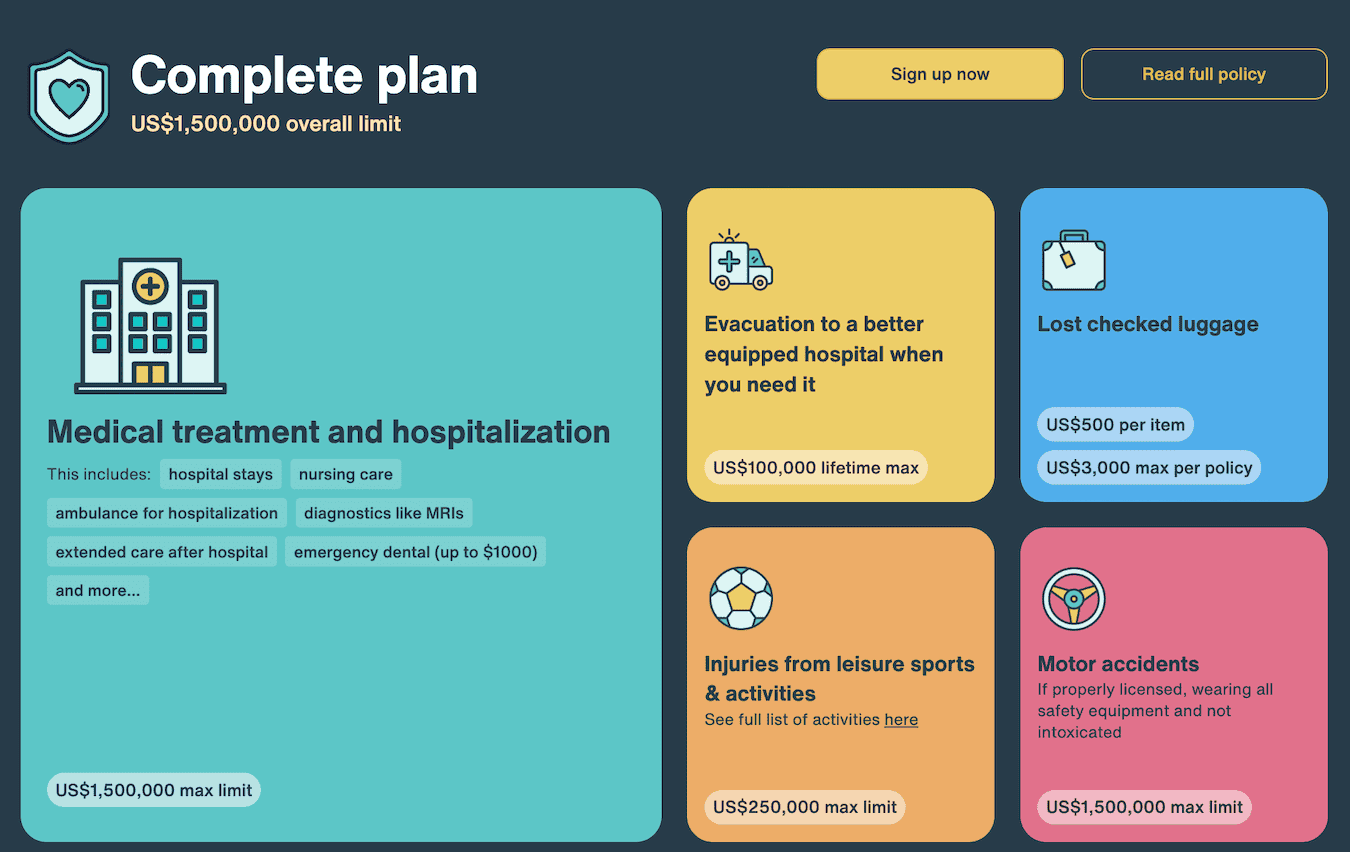
The Complete plan is insurance for digital nomads, remote workers, and long-term travelers. It’s a mix of your standard emergency coverage (similar to the Essential plan above) but it also includes “regular” non-emergency coverage.
So, not only does the plan cover things like emergency injuries and illness but it also includes routine visits and preventive care. It’s a replica of the kind of health insurance you might find in your home country, ensuring that you’re looked after no matter what happens.
The plan costs $150.50 for 4 weeks (for travelers aged 18–39). It’s available to travelers up to age 64.
Here’s a look at what the plan covers for emergencies:
- $1,500,000 in coverage for medical emergencies
- $100,000 for medical evacuation
- $1,500,000 for motor accidents
- Up to $3,000 for lost luggage ($500 per item)
- $10,000 for evacuation due to political unrest
- $5,000 for trip interruption
- 150 per day for travel delay (up to three days), $60 for delays over three hours
- $100,000 for accidental death
Overall, the emergency coverage of this plan is similar to the Essential plan, but expanded and with higher limits.
Here’s a look at the plan’s more “standard healthcare” coverage:
- $5,000 for doctor visits (dermatologist, gynecologist, etc.)
- $300 for routine check-ups
- 10 psychologist or psychiatrist visits per year
- $1,500,000 for cancer treatment
- $2,500 for maternity care
- $5,000 for wellness treatment
- $5,000 for stolen belongings
As you can see, the Complete plan is much more robust than the Essential plan. It’s the plan I wish I had when I first started backpacking full-time because it’s just so comprehensive. If I was working remotely overseas full time, this is the plan I would use.
Additionally, new conditions such as diabetes or asthma are covered under the Complete plan (under Essential, they become pre-existing conditions). That’s something not a lot of other companies offer, which I think is a huge plus.
One important difference between the Complete and Essential plans, however, is that, unlike regular travel insurance, Nomad Insurance Complete applicants must be approved. You can’t just buy a plan and be on your merry way, as the insurance team needs to review your application, along with any medical history and/or pre-existing conditions. They may also request additional medical notes or documents.
While I don’t love that some people are likely to be screened out and you can just buy a plan with a click and be on your way, I understand the reasoning given the cost of health care around the world.
Who is the Complete Plan For?
SafetyWing’s Complete plan is perfect for three kinds of travelers:
Long-Term Travelers – If you’re planning to travel for a year or more, this is the plan for you. It will ensure you have coverage for emergencies, as well as for routine check-ups. And the higher coverage limits for delays and cancellations are a must for those traveling often.
Digital Nomads – If you’re going to be traveling and working, you’re going to want emergency coverage with a high limit. The wellness coverage the Complete plan includes is also a nice touch.
Expats – If you’re living abroad for some (or all) of the year, you’ll want to have access to both emergency coverage as well as regular check-ups. The evacuation coverage is a must too should you be living in more turbulent regions.
I never leave home without travel insurance. For just a few dollars a day, you not only ensure you don’t go bankrupt should an emergency occur, but you’ll also get peace of mind knowing that you have help and support should something happen.
Whether you’re a budget backpacker looking for a basic plan or a seasoned digital nomad who needs robust healthcare, SafetyWing has you covered.
Use the widget below to get a free quote:
Book Your Trip: Logistical Tips and Tricks
Book Your Flight
Find a cheap flight by using Skyscanner. It’s my favorite search engine because it searches websites and airlines around the globe so you always know no stone is being left unturned.
Book Your Accommodation
You can book your hostel with Hostelworld. If you want to stay somewhere other than a hostel, use Booking.com as it consistently returns the cheapest rates for guesthouses and hotels.
Don’t Forget Travel Insurance
Travel insurance will protect you against illness, injury, theft, and cancellations. It’s comprehensive protection in case anything goes wrong. I never go on a trip without it as I’ve had to use it many times in the past. My favorite companies that offer the best service and value are:
- SafetyWing (best for budget travelers)
- World Nomads (best for mid-range travelers)
- InsureMyTrip (for those 70 and over)
- Medjet (for additional evacuation coverage)
Want to Travel for Free?
Travel credit cards allow you to earn points that can be redeemed for free flights and accommodation — all without any extra spending. Check out my guide to picking the right card and my current favorites to get started and see the latest best deals.
Need a Rental Car?
Discover Cars is a budget-friendly international car rental website. No matter where you’re headed, they’ll be able to find the best — and cheapest — rental for your trip!
Need Help Finding Activities for Your Trip?
Get Your Guide is a huge online marketplace where you can find cool walking tours, fun excursions, skip-the-line tickets, private guides, and more.
Ready to Book Your Trip?
Check out my resource page for the best companies to use when you travel. I list all the ones I use when I travel. They are the best in class and you can’t go wrong using them on your trip.
The post SafetyWing Travel Insurance: Which Plan Is Right For You? appeared first on Nomadic Matt's Travel Site.
]]>The post The Best eSIMs for Travelers appeared first on Nomadic Matt's Travel Site.
]]>
Having reliable mobile data when you travel is a must these days. It’s helpful not only for finding things to do or the right bus route, but communicating in an emergency and locating your accommodation if you get lost.
While I think a lot of travelers spend too much time on their phone, the fact of the matter is that modern travel requires mobile data.
In the past, that meant paying excessive roaming fees to your phone provider or finding and buying physical SIM cards at the airport. I used to spend fortune on mobile data whenever I went on a long trip. It sucked.
Fortunately, today, there’s a cheaper and more convenient solution: eSIMs.
I started using eSIMs recently and they’ve been a game changer.
So, in this post, I’ll break down what exactly an eSIM is and share my favorite eSIM companies so that you can stay connected on your next trip — without breaking the bank.
What is an eSIM?
A SIM card is a small memory card that you insert into your smartphone in order to make calls and use mobile data. It has unique identifiers that ensure that when people call you, the call comes to your device (and not someone else’s). You generally get one from your phone provider when you sign your contract.
An eSIM is a digital version of this.
Instead of a physical memory card, you instead install software on your smartphone that replicates the same functions as the physical card. Most smartphones only have a single port for a physical SIM card, so the benefit of using eSIMs is that you can have multiple eSIMs on a single device.
For example, if you’re from Germany and are visiting the United States, you’ll need to physically remove your German SIM card on arrival and install a physical US SIM card if you want to avoid paying excessive roaming fees. But once you swap SIM cards, you won’t be able to receive calls or texts to your German phone number unless you physically remove the US SIM card and put the German SIM card back into your phone.
This is a tedious process if you need to access multiple numbers during your trip. Hence the convenience of eSIMs. They make it super easy to visit multiple countries each year without having to juggle SIM cards. And since they let you get set up before you arrive, you can get mobile data the minute you touch down.
Why use an eSIM?
Convenience – Not only can you set up your eSIM from the comfort of home, but you can do it before you leave so it’s ready when you arrive. (If you forget to do so, you can purchase an eSIM and get connected in seconds.) Plus, you can also extend your plans or upgrade them on the fly, which is much easier (and faster) than having to extend the plan for a physical SIM card.
Price – eSIMs are super cheap now, with plans starting at just $4–5 USD. That’s a fraction of what you’ll pay for a roaming plan!
Extra Perks – Some companies (such as Jetpac) offer extra perks beyond just the eSIM data package. These can include things like lounge access for delayed flights and free VPN trials.
Customer Service – If you buy a SIM card on arrival at the airport, you can’t really go back to that airport kiosk if you have a problem since you’ll likely have traveled onward. With an eSIM, you’ll have 24/7 access to online support for questions and troubleshooting.
Multiple Usage – While some eSIMs will expire, it’s possible to get eSIMs that you can reuse again and again, saving you time and energy.
The Best eSIMs for Travelers
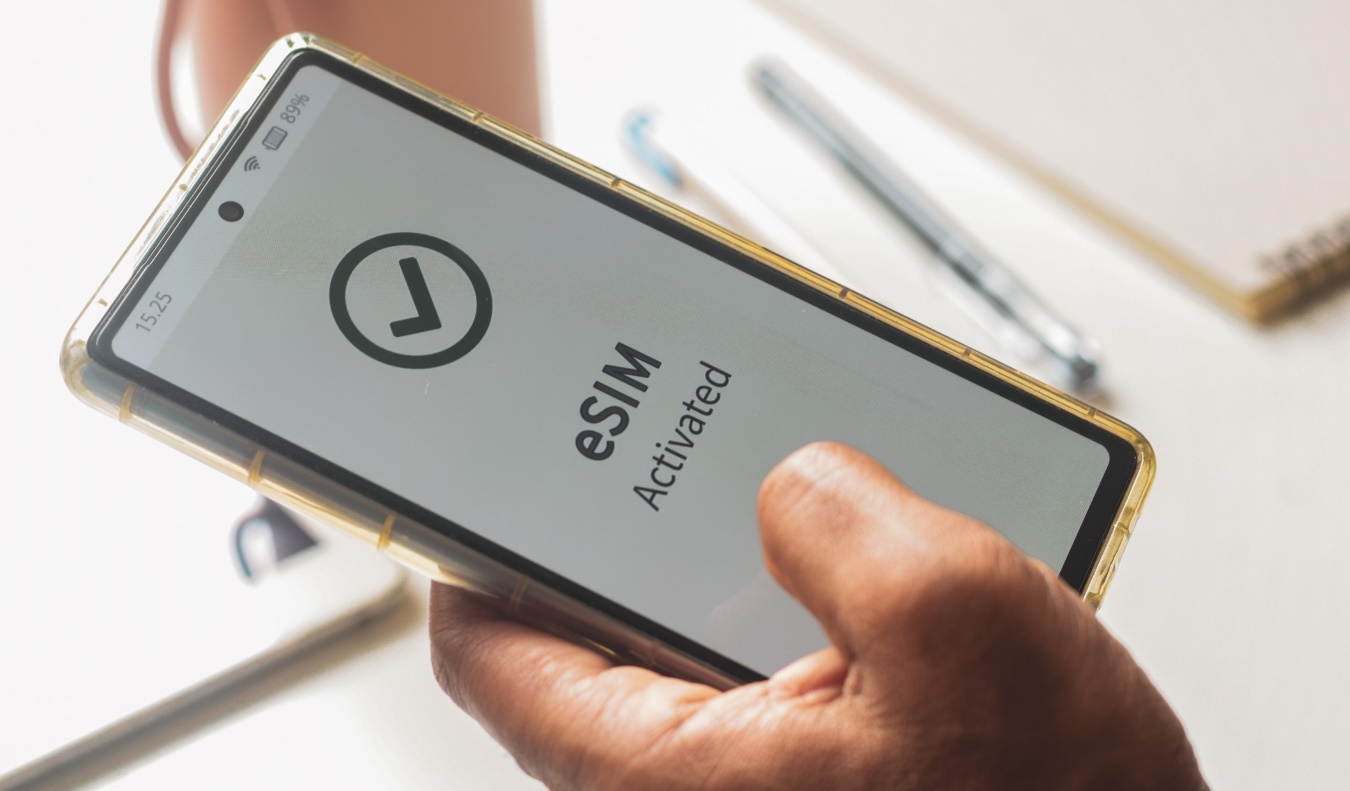
Jetpac
Jetpac is a travel eSIM company founded in Singapore. They offer affordable mobile data coverage to over 150 destinations around the world. I like that they offer regional bundles so that you can visit more than one country with the same eSIM and still have reliable coverage.
What I especially love, though, is that it’s just a one-time installation. Many other eSIMs require a new installation for each new eSIM that you buy. That’s not the case with Jetpac, making this a great choice for travelers who want a hassle-free eSIM (especially travelers who are less tech savvy).
Jetpac doesn’t just offer eSIMs though. They actually have some pretty solid travel perks, which, in my mind, is what makes them the best eSIM for travelers. This includes free lounge access at the airport if your flight is delayed, and a free trail of ExpressVPN (which can keep your mobile data safe and secure while abroad).
Jetpac at a glance:
- Affordable prices starting at just $1 USD
- Free lounge access for flight delays
- Free ExpressVPN trial
- Exclusive discounts on airport lounges and fast tracks, offering over 40% off
- Data packs are valid one year from purchase
- Simple, one-time installation
- Hot spot capabilities
Saily
What makes Saily stand above the competition though is that they are more than just an eSIM company. Their plans include several awesome perks that make using them a no-brainer. These include a virtual location (ensures your data is private), ad blocker (improves your experience and saves your data), and web protection (reduces trackers and malicious websites harming you).
Saily at a glance:
- Competitive rates vs other eSIM companies
- Regional plans available for multi-country trips
- Good data speeds
- 24/7 customer support
- Virtual location
- Ad blocker
- Web protection
READERS CAN ALSO GET 5% OFF WITH THE CODE NOMADICMATT5! CLICK HERE TO CLAIM YOURS!
Holafly
Holafly has a ton of plans, many with unlimited data, all connected to reliable networks so you’re covered no matter where you travel. They offer plans to 160 destinations, and the ability to access unlimited data is a big plus in my book. As such, they’re great for heavy data users. Plus, you can hot spot your friends up to 1 GB of data per day.
Holafly at a glance:
- Plans from 5-90 days
- Unlimited data starting at $19 USD
- Easy installation process
- 24/7 customer support
- 1 GB of data sharing (hot spotting) per day
Airalo
Airalo is one of the biggest eSIM providers in the world, with plans covering over 200 countries/regions. They make it super easy to setup your eSIM, with a sleek website and reliable customer service. In addition to country-specific eSIMs, they also have regional data packs as well as global packs that cover over 135 countries (perfect for long-term nomads).
Airalo at a glance:
- Country, region, and global data packs
- 200+ countries/regions covered
- Plans starting at just $4.50 USD
- Easy to set up
- 24/7 customer support
Frequently Asked Questions (FAQs) about eSIMs:
Do eSIMs support phone calls and SMS messages or just data?
Some eSIMs do, though most eSIMs currently offer data only. If you need to be able to make local or international calls on a data-only eSIM, there are a lot of ways to do this (like WiFi calling, Google Voice, or Skype).
How do I activate an eSIM?
You can activate an eSIM by scanning a QR code provided by your carrier or by entering activation details in your phone’s settings. All eSIM providers will have detailed instructions on how to activate their eSIM, and all good carriers should have 24/7 customer support to help you if needed.
Which devices support eSIM?
Most newer (post-2018) smartphones support eSIMs. Most providers have a list of phone models that support eSIMs, so make sure to check before purchasing one (especially if you have an older phone).
Can I use both an eSIM and a physical SIM on my device?
Many (though not all) devices offer dual-SIM functionality, allowing you to use both an eSIM and a physical SIM at the same time. Make sure to look into international roaming charges with your home provider before you keep your physical SIM active abroad. If you want to ensure that it doesn’t automatically connect while abroad (usually incurring high roaming charges), make sure to turn off roaming for your physical SIM.
Can I switch between eSIM profiles?
Yes, you can store multiple eSIM profiles on your device and switch between them. Some newer phone models allow two eSIMs to be active at once, while others only allow one to be active at a time.
How secure is an eSIM?
eSIMs are considered more secure than physical SIM cards because they are embedded in the device and harder to tamper with.
Can I transfer an eSIM to a new device?
Some carriers allow you to transfer an eSIM to a new device, but you may need to request a new activation code from your carrier. Some carriers also only let you transfer eSIMs once, so make sure to check before doing so if you need to.
From booking activities to using Google Maps to calling an Uber, having mobile data makes travel easier (and safer). Fortunately, it’s never been easier to access mobile data. eSIMs are affordable, easy to use, and can even have awesome extra perks (like Jetpac’s Jetpass).
I use an eSIM whenever I travel and I encourage you to do the same. They are the best way to stay connected and make the most of your travels — no matter where you are going!
Book Your Trip: Logistical Tips and Tricks
Book Your Flight
Find a cheap flight by using Skyscanner. It’s my favorite search engine because it searches websites and airlines around the globe so you always know no stone is being left unturned.
Book Your Accommodation
You can book your hostel with Hostelworld. If you want to stay somewhere other than a hostel, use Booking.com as it consistently returns the cheapest rates for guesthouses and hotels.
Don’t Forget Travel Insurance
Travel insurance will protect you against illness, injury, theft, and cancellations. It’s comprehensive protection in case anything goes wrong. I never go on a trip without it as I’ve had to use it many times in the past. My favorite companies that offer the best service and value are:
- SafetyWing (best for budget travelers)
- World Nomads (best for mid-range travelers)
- InsureMyTrip (for those 70 and over)
- Medjet (for additional evacuation coverage)
Want to Travel for Free?
Travel credit cards allow you to earn points that can be redeemed for free flights and accommodation — all without any extra spending. Check out my guide to picking the right card and my current favorites to get started and see the latest best deals.
Need a Rental Car?
Discover Cars is a budget-friendly international car rental website. No matter where you’re headed, they’ll be able to find the best — and cheapest — rental for your trip!
Need Help Finding Activities for Your Trip?
Get Your Guide is a huge online marketplace where you can find cool walking tours, fun excursions, skip-the-line tickets, private guides, and more.
Ready to Book Your Trip?
Check out my resource page for the best companies to use when you travel. I list all the ones I use when I travel. They are the best in class and you can’t go wrong using them on your trip.
The post The Best eSIMs for Travelers appeared first on Nomadic Matt's Travel Site.
]]>The post World Nomads Annual Travel Insurance Review appeared first on Nomadic Matt's Travel Site.
]]>
If you’re a frequent traveler, you know that planning multiple trips throughout the year can be a logistical challenge. There are lots of moving parts to organize, from flights to accommodation to activities. And it gets even more challenging if you’re traveling with friends or family.
In fact, there’s so much to keep track of that most people neglect one of the most important things you can take on any trip: travel insurance.
A lot of travelers avoid even thinking about travel insurance. Comparing prices and plans seems like a hassle (and an unnecessary expense to boot). After all, you probably won’t need it, and then you’ve just paid for nothing.
But you haven’t paid for “nothing.” You’ve paid for assurance that you have a plan in place should the unexpected or unfortunate happen while you’re abroad. And if something does happen, you will be very glad that you have coverage. Accidents and mishaps that happen on the road can add up quickly, leaving you hundreds (if not thousands) out of pocket.
After over 15 years of traveling the world, travel insurance is the one thing I never leave home without. It’s that important!
And while finding and comparing plans used to be time-consuming (I’ve read a lot of fine print over the years), it’s never been easier to learn about new plans. Gone are the days of having to buy a new plan for each and every trip too, thanks to the growing number of annual multi trip plans.
World Nomads, a company I’ve been recommending for over a decade, has just launched its own Annual Travel Protection Plan for US residents. Here’s everything you need to know to decide if it’s the best plan for your next journey:
What is World Nomads?
World Nomads is a travel insurance* company that started out geared towards backpackers and adventure travelers, with an extensive list of more than 250 adventure sports and activities covered. It’s the one I used on my first big trip around the world (and have used it dozens of times since).
They’ve been around for over twenty years and provide coverage for people from more than a hundred countries. Through World Nomads, you can get international and domestic coverage when traveling at least 100 miles from home for:
- Emergency medical and dental work
- Sudden illness and injury
- Medical evacuation and repatriation
- 24-hour emergency medical assistance
- Lost, stolen or damaged baggage
- Cancellations and interruptions
- Trip and baggage delay
- Over 250 types of adventure activities
- And more!
Overall, World Nomads is a solid travel insurance company for travelers who want bundled coverage. While there are cheaper plans out there, World Nomads offers multiple plans to choose from and varying levels of coverage (especially when it comes to cancellations and adventure activities).
If you’re going to be doing a lot of outdoor activities and want a variety of covered activities available, World Nomads is the company I recommend.
That said, since I’ve already covered World Nomads in depth in this review, today I’m going to focus on their new Annual Plan. It’s something that many travelers have asked me about, both in my inbox and on our travel insurance webinars. I’m glad to see they’ve created an Annual Plan to fill this need.
What is the World Nomads Annual Travel Protection Plan?
Previously, World Nomads only offered single-trip protection plans. You bought a plan for a predefined period and destination, and that was it.
But what if you travel a lot throughout the year? It’s a hassle to have to buy a new plan every time. Those single-trip plans add up too.
With World Nomads annual plans, however, you pay once and get travel protection for multiple countries, and for an unlimited number of trips up to 45-days long through the entire year. This not only simplifies your planning but could save you money in the long run.
There are four caveats though.
First, each trip under the annual plan is capped at 45 days. Most travelers don’t travel abroad for that long, though, so I don’t really consider that a negative.
Second, annual plans do not auto-renew, so you’ll need to purchase a new plan each year. That said, World Nomads sends a reminder a month before your current plan expires, so this isn’t really a big deal either.
Third, the US Annual Plan is only available to be purchased independently per traveler. The plan is not available for family or couple purchases like the single trip plans; however, you can purchase individual Annual Plans for each member of your family under the age of 69.
Fourth, and most important, the Annual Plan is currently only available to US residents (except residents of Missouri, Montana, New York or Washington). World Nomads also offers a similar Annual Multi Trip plans for UK and Ireland residents, but coverages vary compared to the US plan. Hopefully, if it’s successful, they will expand it to more countries in the future.
What does World Nomads’ Annual Travel Protection Plan cover?
The coverage under a World Nomads Annual Plan is similar to that of its single-trip plans. As a plan holder, you’ll get coverage for more than 250 adventure activities, trip cancellation, emergency medical expenses, and some for lost and stolen gear.
Here’s exactly what’s covered found on the World Nomads website:
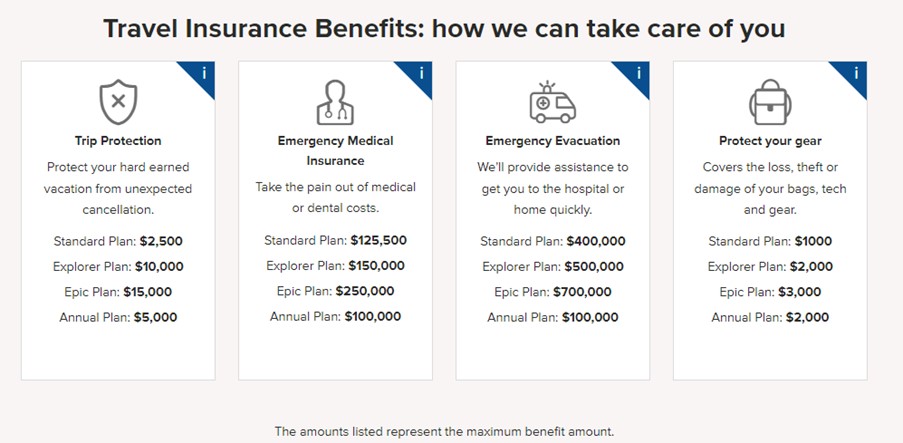
The plans also cover incidents that occur while you’re participating in any of 250+ adventure activities in the following categories:
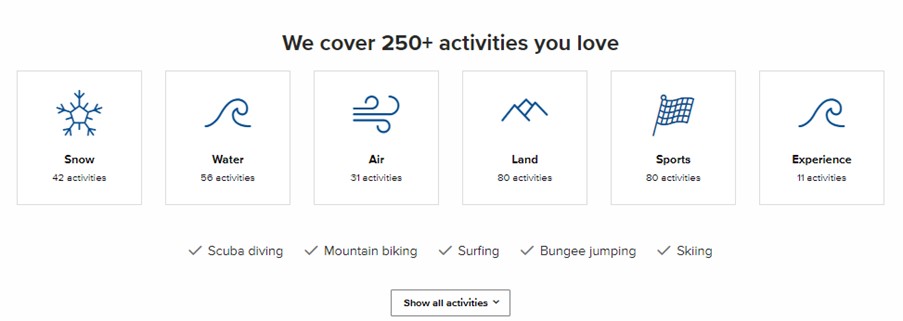
Most activities are included in the Annual Plan. More extensive activities could be covered on the single trip Explorer and Epic Plans. To give you an example, zip-lining and snorkeling are covered by Standard and Annual plans, while heli-skiing is covered by the Explorer plan and free soloing is only covered by the Epic Plan.
Here are all the water-related activities that World Nomads covers:
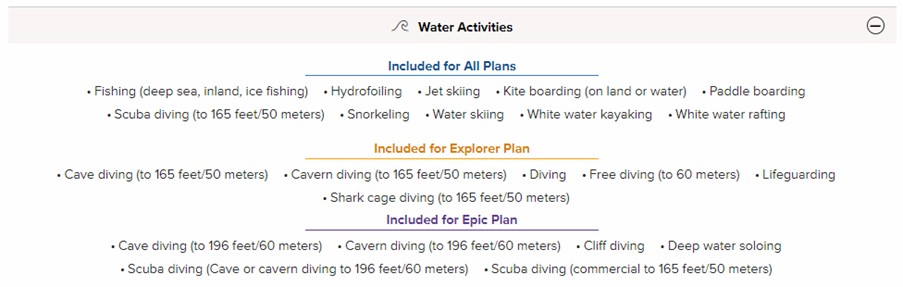
Of course, there are also things World Nomads does not cover. These include (but aren’t limited to):
- Engaging in any illegal activities
- Incidents that occur when under the influence of alcohol or other drugs
- Non-emergency medical treatment that can wait until you return home
In short, World Nomads offers travel insurance, not health insurance. It’s there for when the unexpected happens, not for ongoing treatment or checkups.
Additional Perks for all USA Travel Protection Plans
In addition to rolling out the new annual plan, World Nomads is expanding the non-insurance services included within all USA travel protection plans.
- 24/7 Emergency Assistance supports you in emergency situations, 24 hours a day, 7 days a week. The support team can get you to the nearest hospital or consulate, offer translation services and provide guidance in emergency situations.
- FootPrint ID allows to you to keep track of your medical records and emergency contacts in one place. This is helpful in emergency situations when healthcare providers need quick answers regarding your medical history, prescriptions and contacts.
- Blue Ribbon Bags offers delayed and lost luggage retrieval services. They can track and expedite the return of delayed airline baggage for outbound flights and are available to assist 24/7.
- Runway Health provides free pre-trip online health consultations so travelers can get access to prescriptions and vaccinations for common travel needs like altitude sickness and malaria before taking off for their trip.
Pros of World Nomads’ Annual Travel Protection Plan
- Covers you for an unlimited number of trips within a year
- Cost-effective and convenient (you don’t have to buy a new plan for each trip)
- Coverage for over 250 activities
- Coverage for domestic and international travel
- Access to 24/7 Emergency Assistance, FootPrint ID, Runway Health and Blue Ribbon Bags
- Online claims processing
Cons of Annual Multi-Trip Travel Insurance
- Per trip duration limit of 45 days
- Higher up-front cost than purchasing plans individually
- Only available for individual purchase, no family or couple plans
- Only available for USA, UK & Irish residents at this time
Comparing Annual and Single-Trip Plans
The cost-effectiveness of annual versus single-trip insurance depends on your habits. If you take multiple trips each year, both domestically and internationally, 12-month travel insurance could save you money.
Let’s say that within a year, you plan to travel to Thailand for three weeks, Paris for a long weekend, Mexico for one month, the Bahamas for 10 days, Iceland for a long weekend, and then Spain for a week. If you got annual travel insurance, the quote for a 40-year-old person from the US would be $506 USD. Not bad at all for an entire year’s worth of coverage (that’s just over $42 USD per month)!
If you were to get separate policies for each trip, it would total around $635 USD. Not to mention the added convenience of only having to buy the plan once and get coverage for the entire year. Plus, you’d still be able to go on more trips (or extend your trips) with the annual plan without spending more money!
While prices vary depending on factors such as where you’re going, the length of the trip, and your planned activities, most of the time, it’s a no-brainer to get the annual plan. It’s just so easy and hassle-free.
Both annual and single-trip plans offer the same benefits too. That includes trip cancellation, emergency medical expenses, and personal baggage coverage.
Remember, limits and exclusions may vary. No matter what plan you get, it’s essential to review the plan details carefully.
Who is World Nomads Annual Plan for?
World Nomads annual plan is best for frequent travelers who take several trips throughout the year. You can sign up for a plan once a year, and then go about your travels without thinking about it again. Simply purchase a new plan when the time comes (you’ll get an email reminder).
Personally, I think a lot of travelers who do lots of short weekend trips will find this plan super helpful, as you won’t have to purchase a plan every single time you want to get away. The saved time and money alone make the annual plan worth it, in my opinion.
That said, annual plan is not ideal for full-time digital nomads, since each trip is capped at 45 days. Additionally, World Nomads only covers unexpected emergencies, so if you’re a digital nomad looking for ongoing health insurance (i.e., for non-emergencies), you’ll want to look elsewhere.
Having used World Nomads for over 15 years, I think these new additions are a game changer. While they are only available in the US, UK and Ireland currently, I’m super excited to see what direction the company is moving in. Baggage retrieval service, pre-trip online health consultations — these are awesome perks that I know every traveler is going to appreciate.
Don’t let the hassle of arranging travel insurance for each trip hold you back from exploring the world. Get a quote for World Nomads’ Annual travel insurance plan today and enjoy coverage all year round. Safe travels!
*Travel insurance is included as part of the World Nomads travel protection plan which contains both insurance benefits and non-insurance assistance services. U.S. travel protection plan are serviced by their partner Trip Mate, a Generali Global Assistance & Insurance Services brand, who administers both customer service and claims for U.S. customers.
Book Your Trip: Logistical Tips and Tricks
Book Your Flight
Use Skyscanner to find a cheap flight. They are my favorite search engine because they search websites and airlines around the globe so you always know no stone is left unturned!
Book Your Accommodation
You can book your hostel with Hostelworld as they have the biggest inventory and best deals. If you want to stay somewhere other than a hostel, use Booking.com as they consistently return the cheapest rates for guesthouses and cheap hotels.
Want to Travel for Free?
Travel credit cards allow you to earn points that can be redeemed for free flights and accommodation — all without any extra spending. Check out my guide to picking the right card and my current favorites to get started and see the latest best deals.
Need Help Finding Activities for Your Trip?
Get Your Guide is a huge online marketplace where you can find cool walking tours, fun excursions, skip-the-line tickets, private guides, and more.
Ready to Book Your Trip?
Check out my resource page for the best companies to use when you travel. I list all the ones I use when I travel. They are the best in class and you can’t go wrong using them on your trip.
The post World Nomads Annual Travel Insurance Review appeared first on Nomadic Matt's Travel Site.
]]>