The post Where I Find the Best Travel Deals appeared first on Nomadic Matt's Travel Site.
]]>
Finding the best travel deals is a matter of timing.
A lot of people think travel is just expensive, but in reality, there are incredible deals happening all the time. They often don’t last too long, and you have to act quickly. That can sometimes be a problem when a deal requires jumping on a plane tomorrow (how many people can do that?).
Fortunately, most deals are for months in the future, giving you ample time to plan your schedule.
Often I will book a flight and then figure out my plans.
Since you can usually cancel a flight within 24 hours without incurring a fee, I lock in the deal and then figure out if I can make it work. Sometimes I can (like the $1,200 USD business-class flight from LA to Stockholm round-trip); sometimes I can’t (like the $400 USD New Zealand flights I had to cancel).
I am always looking out for deals.
Today, I want to tell you where I go for travel deals, tips, and expert advice. After all, these resources focus solely on this one aspect of travel, so why not use them? I can’t know everything, so I rely on specialists. If travel were a hospital, I would be your general practitioner.
Here’s a quick look at the top companies I use and suggest:
Quick Overview: Best Travel Deals
For a full breakdown of each company and what they are best for, click on the links below to jump to that section:
Where to Find the Best Flight Deals

When it comes to finding flight deals, I use these four websites for last-minute deals. There are always finding new (and tempting) last minute flights — often for a fraction of what you would pay otherwise.
My go-to website for cheap flight deals is Going.com. Formerly Scott’s Cheap Flights, this is an awesome resource for finding flight deals from the US. They offer free flight alerts, and with a premium membership you get access to even more deals as soon as they find them. (New users can get 20% off Premium with the code NOMADICMATT20.)
Three other great websites to use are:
- The Flight Deal – This is a great resource for finding cheap flights from the USA. If you’re based in the States, start your research here!
- Secret Flying – This cheap flight website finds “error fares” (when airlines make pricing mistakes) to and from destinations all around the globe.
- Holiday Pirates – No matter where you’re based this is a great cheap flight website so be sure to always check here for more deals.
If you’re simply looking to book a flight, check out the search engines below. It’s important to remember that there is no one best online booking website. All the search engine websites have blind spots so it’s important to search a few different places before you book your flight.
Generally, the BEST booking sites are the following:
- Skyscanner – I always start my searches with Skyscanner. It’s a very intuitive platform that searches booking websites and airlines all around the world to ensure that no deal is missed. If you’re not 100% sure where you want to go (or when) then start your search with Skyscanner.
- Google Flights – A good all-around flight search website to include in your cheap flight arsenal.
Where to Find the Best Points & Miles News

When it comes to finding the latest in airline and frequent flier news, I turn to these sites. They give me the latest on the changes in the industry and loyalty programs, and any points and miles news that might be important:
- View from the Wing – This is where I go for airline and frequent flier news.
- The Points Guy – A great resource for credit card and points & miles news and information.
- One Mile at a Time – This is a great website for credit card, in-flight experiences, and frequent flier news.
For Australia and New Zealand, visit Points Hack.
For Canada, use Prince of Travel.
For the UK, Head for Points.
As a very, very, very avid traveler (and while I have my own special tricks and tips), when you’re overseas a lot, it’s hard to stay up to date on your own so I use these three sites to keep me in the loop.
READ MORE:
- Points & Miles 101: A Beginner’s Guide
- The Best Travel Credit Cards
- How to Pick the Best Travel Credit Card
Where to Find the Best Cruise Deals

In my mind, there is only one cruise deal website worth following: CruiseSheet. This site consistently has some of the lowest rates out there, and its interface is beautiful.
If I don’t find anything on CruiseSheet or want to double-check a price, I go to the second-best website, vacationstogo.com.
Where to Find the Best Transportation Deals

If you’re looking for budget transportation, these are the websites you’ll want to check. Cheap buses, trains, and rideshare apps can help keep your transportation costs low, giving you more time on the road. Here are my favorites:
- FlixBus – A budget-friendly bus company routes all across Europe and parts of the USA.
- Trainline – Offers a variety of discounted train passes for both individual countries as well as entire regions of Europe, including passes for the entire continent.
- Rome2Rio – A helpful resource for finding and comparing budget transportation options.
- BlaBlaCar – A rideshare app that pairs travelers with local drivers who are looking to pick up passengers for a small fee.
- RVShare – A sharing economy platform for renting RVs and camper vans directly from locals.
- Turo – A car rental app that enables you to rent cars for short periods of time from locals.
- Japan Rail Pass – A budget-friendly train pass exclusively for Japan. Comes in 7, 14, and 21-day passes.
- Discover Cars – A comprehensive rental car aggregator for destinations all around the globe. I always find the best car rental deals here.
READ MORE:
- A Complete Guide to the Japan Rail Pass
- A Complete Guide to the Eurail Global Pass
- How to Find a Cheap Rental Car
Where to Find the Best Accommodation Deals

From hotels to hostels to camping, there are tons of great websites out there to help you find deals and save money. Here are my suggestions to help you get started:
- Booking.com – This is the best website for finding hotels no matter where you are in the world. I usually start my search for hotel rooms here.
- Campspace – This app connects you with locals renting out plots of land, RVs, cabins, and camper vans ranging from rustic to glamping.
- Trusted Housesitters – Helps travelers connect with locals looking for house and pet sitters. Great for slow travelers/long-term travelers.
- HomeExchange – A network that facilitates swapping homes with another person or family. They have over 200,000 members with houses in 155 countries, making it an amazing platform for finding house swaps around the globe.
- Hostelworld – They are hands-down the best resource for finding budget-friendly hostels around the world. I use them every time I travel and you should too!
- HostelPass – This card gives you up to 20% off hostels throughout Europe. It’s a great way to save money and it’s constantly adding new hostels too. I’ve always wanted something like this and so I’m glad it finally exists. Use the code NOMADICMATT to get 25% off too!
READ MORE:
- How to Find a Cheap Hotel Room: Sites to Use and Sites to Avoid
- How to Start House Sitting
- How to Pick a Good Hostel
Where to Find the Best Tour Deals

For tours and excursions, I keep an eye on the following companies by subscribing to their emails:
- The Nomadic Network (TNN) – I created this global community for travel lovers in 2019. While I no longer run it (they’re now run by Lisa, a long-time TNN community member), they’re great group tours for people who want to travel — not simply vacation!
- Intrepid Travel – This is my favorite small-group tour company. They hire local guides and are great for both solo travelers and couples/groups.
- Walks – Walks operates small group tours with local guides in some of the best cities around the world.
- Devour Food Tours – My go-to food tour company, with tours all around Europe and the US.
- EatWith – Allows you to eat home cooked meals with local cooks. Everyone sets their own price (so prices can vary wildly depending on the cook) but this is a great way to do something different, pick a local’s brain, and make a new friend.
- Get Your Guide – A huge activity aggregator where you can find and book all kinds of activities, from cooking classes to walking tours to multi-day local excursions.
READ MORE:
Where I Find the Best Travel Insurance Deals

I never travel anywhere without travel insurance. After dealing with injuries and emergencies abroad (and knowing plenty of other travelers who have been injured or robbed on the road) I always make sure I have comprehensive medical and travel insurance before I leave home. Here are my recommended companies for finding the best travel insurance:
- SafetyWing – This is my go-to travel insurance company. They offer affordable monthly plans with a deductible. Great for digital nomads and frugal travelers!
- Insure My Trip – If you’re over 70 and looking for insurance, this is the best place to find it!
- Medjet – Medjet is a good option for people who are going to be far from home and want added evacuation coverage. It’s great for solo travelers and super affordable.
- World Nomads – The first company I ever got travel insurance with, World Nomads is best for adventurous travelers. They cover a lot of adventure activities that other companies don’t, and now even offer annual travel insurance.
READ MORE:
- The Best Travel Insurance Companies
- Do You Need Medical Evacuation Coverage?
- A Complete Guide to Buying Travel Insurance
While I think my site is amazing for your on-the-ground tips, tricks, and advice needs, for when you need travel deals to get you to where you want to go, use the companies above. They’re what I use, and they’ve never steered me wrong! They’ll save you the most money!
Book Your Trip: Logistical Tips and Tricks
Book Your Flight
Find a cheap flight by using Skyscanner. It’s my favorite search engine because it searches websites and airlines around the globe so you always know no stone is being left unturned.
Book Your Accommodation
You can book your hostel with Hostelworld. If you want to stay somewhere other than a hostel, use Booking.com as it consistently returns the cheapest rates for guesthouses and hotels.
Don’t Forget Travel Insurance
Travel insurance will protect you against illness, injury, theft, and cancellations. It’s comprehensive protection in case anything goes wrong. I never go on a trip without it as I’ve had to use it many times in the past. My favorite companies that offer the best service and value are:
- SafetyWing (best for budget travelers)
- World Nomads (best for mid-range travelers)
- InsureMyTrip (for those 70 and over)
- Medjet (for additional evacuation coverage)
Want to Travel for Free?
Travel credit cards allow you to earn points that can be redeemed for free flights and accommodation — all without any extra spending. Check out my guide to picking the right card and my current favorites to get started and see the latest best deals.
Need a Rental Car?
Discover Cars is a budget-friendly international car rental website. No matter where you’re headed, they’ll be able to find the best — and cheapest — rental for your trip!
Need Help Finding Activities for Your Trip?
Get Your Guide is a huge online marketplace where you can find cool walking tours, fun excursions, skip-the-line tickets, private guides, and more.
Ready to Book Your Trip?
Check out my resource page for the best companies to use when you travel. I list all the ones I use when I travel. They are the best in class and you can’t go wrong using them on your trip.
The post Where I Find the Best Travel Deals appeared first on Nomadic Matt's Travel Site.
]]>The post 10 Points & Miles Mistakes to Avoid appeared first on Nomadic Matt's Travel Site.
]]>
I’m a huge fan of collecting points and miles. It’s transformed my travels and saved me lots of money over the years. By signing up for travel credit cards, you can collect points and miles that you can cash in for free flights, flight upgrades, hotel stays, and more — all without any extra spending. In short, it’s a way to get more for less.
I’ve enjoyed countless free upgrades, free flights, free hotel stays, and other perks — all without any extra spending. Collecting points and miles has helped open the world to me, so I’m a huge advocate for it, as I’ve seen what a difference it’s made in my travels.
Through the many years I’ve been writing about the subject, I’ve seen tons of newbies make countless mistakes — mistakes that impact their ability to travel for free.
Here are the biggest points and miles mistakes that I see people making so that you can avoid them, save your points and miles, and make your travel dollar go further:
1. Not Starting at All
When I ask most people why they don’t collect points and miles, they just shrug their shoulders and say, “I don’t know. Seems hard, I guess.”
The biggest reason that people don’t start is that they think it’s too complicated, it’s only for people who travel often (or are big spenders), or that it’s a scam.
But side-stepping the points-and-miles game entirely is the biggest mistake you could make. It’s akin to saying no to free money. If you pay off your credit card each month, you’re losing out if you aren’t earning points and miles, which are simply perks that you get for being smart about your spending. Just start. (Not sure how? This post goes into great detail on how to do so!)
2. Not Having a Goal

Before you sign up for your first card, the most important thing to do is make a goal. Think about the trip you want to take, where you want to stay, and how you want to get there. Then get the travel credit cards that will help you get there.
Without making a goal, you’ll have no idea what card (or cards) are best for you, as each offers different benefits that will fit different lifestyles, budgets, and travel goals.
Remember: there is no perfect card. There is only the perfect card for you.
Are you interested in loyalty to a brand, free rewards, or avoiding fees? Do you want free flights and/or hotel stays? Is elite status the most important perk for you?
If you just want points to spend wherever you choose, get cards with transferable points (Chase, Capital One, Bilt, Citi, and American Express all issue these kinds of cards) because you can use these points with a variety of travel companies. They each have their own rewards programs and points that can be transferred to multiple airlines or hotel partners or used to book travel directly through their own travel portal websites.
Determine your goal(s) and then find the cards that match it/them, as well as your spending habits.
3. Not Getting Cards with an Annual Fee
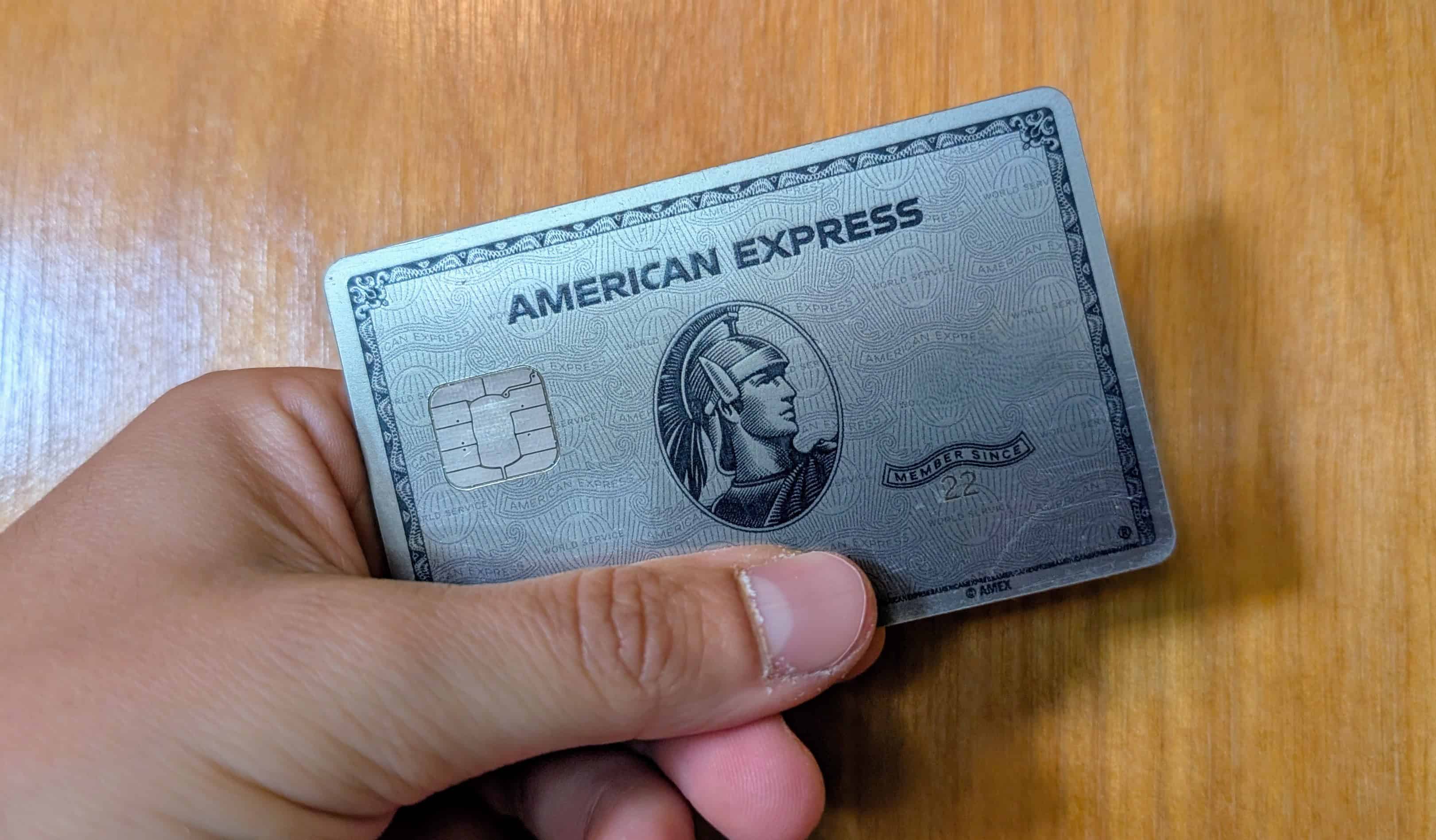
When it comes to choosing a travel credit card, many people balk at high credit card fees, which can sometimes be hundreds of dollars per year. Surely the credit card companies are just taking your money, right?
Not exactly.
While it’s true that you’ll have to decide whether cards with higher fees are worth it for you, cards with annual fees are usually much better than no-fee cards: they offer more value, better bonus categories (so you can accumulate points faster), and other perks, such as better travel protection and access to special offers. For me, even the cards with the highest annual fees are worth it, as I have saved more money on travel than I have ever spent on fees.
But you don’t have to go for the cards with the highest annual fees right off the bat. There are many “starter” cards that waive the fee the first year, and after that are just $95 per year. That way, you can see whether it’s worth it to you. Here’s a list of my favorite cards.
If you really don’t want to pay an annual fee but still want to get in on the game, the Bilt Mastercard® is my favorite no annual fee card. This game-changing card is the only card that lets you earn points by paying your rent (up to 100,000 points in a calendar year), plus 3x points on dining and 2x points on travel. It offers solid travel protection too. If you’re just starting out (and pay rent), this is a must-have card. You just have to use the card 5 times each statement period to earn points.
Additionally, the Capital One VentureOne Rewards Credit Card is also a great no fee card to consider.
4. Not Meeting Signup Bonuses
The best travel cards offer a sizable introductory offer, also called “welcome offers” or “sign-up bonuses.” This is when you earn many points at once by spending a certain amount of money within a certain time period after opening your account (e.g., spending $3,000 in the first three months might earn you 60,000 points).
These welcome offers are how I earn one million points each year. They’re super important, as they jump-start your account and immediately get you closer to a free flight or hotel stay. Sometimes these offers are even big enough to get you a free flight right off the bat!
One of the biggest mistakes you can make is not taking advantage of these bonuses. Again, it’s like leaving money on the table (I hope you’re seeing a pattern here).
With that in mind, only apply for cards if you can meet their minimum spending requirements for the welcome bonus with your normal spending. If you are spending more money than you usually do just to get these points, then the points are no longer free. Only spend what you normally would and not a penny more.
If you find yourself close to reaching a sign-up bonus but are still falling short, these are some things you can do:
- Ask friends or family if they have any large purchases coming up. You can then pay for the item on your card and get them to pay you back.
- When out to eat with friends, put everything on one bill and pay it with your card. Then get everyone to pay you back individually.
5. Not Paying Off Your Credit Cards Monthly
This is a central tenet not only of points and miles but credit card use in general. Do not ever carry a balance on these cards, as the sky-high interest rates will wipe out any potential benefit you’d get from them. If you’re paying interest, the points are no longer free.
If you can’t pay off your balance in full, you shouldn’t be collecting points and miles.
Want to travel the world for free?
Download my free guide to points and miles and learn how to master the one thing all travel experts do to save money and get free flights and accommodation!
Enter your info below to get the guide sent to you right away:
6. Thinking That Points Have Intrinsic Value
Once you start looking at signing up for travel credit cards, it can be easy to get excited about huge sign-up bonuses and spending categories where you can rack up a lot of points quickly. Hotel credit cards are notorious for this, regularly offering sign-up bonuses of over 100,000 points and bonus spending categories that can be up to 26x points per $1 spent.
But what’s important to understand is that one point will go further in some programs than others. The value of a point is not fixed. It is not the same across programs. One IHG point is not the same as one United point, just like one Chase point is not the same as one Hyatt point.
When assigning a value to points, the math is actually pretty simple: take the cash price (what you would pay if you didn’t have points), divide by the number of points required, and multiply by 100 to get the per-point value in cents. I find The Points Guy’s monthly valuation chart to be the most accurate as a handy cheat sheet to use as a baseline for what is considered a good per-point value.
That said, a lot of redemption comes down to the personal value that you assign to those points. Would you rather redeem them for flying in first class, or would you rather take two economy flights for the same number of points? Would you rather stay in a five-star hotel for a weekend or stay in a three-star hotel for a week?
Point value is in the eye of the beholder.
(Just never redeem points for cash. This is the least valuable use of points.)
7. Not Maximizing Bonus Categories
Speaking of point value, seeing that a flight “costs” 30,000 points can be intimidating, thanks to another common mistake: thinking that you have to spend $1 to get 1 point.
But it’s never about getting only one mile or point per dollar spent. It’s easy to get 2-5x (or more!) for every dollar you spend. This helps you earn points much more quickly.
For example, I use one card when dining at restaurants (4x points), a different card for office spending (5x points), and yet another card for airfare (5x points).
Never accept one point per dollar spent. Otherwise, it will take way too long to accumulate enough points for free travel.
8. Not Taking Advantage of Card Benefits and Perks

Collecting points and miles is not just about getting points and miles. It’s also about what else comes with the card that can make your life and travels easier. Many cards (especially premium travel cards) give you a special elite loyalty status or other extra perks. Don’t make the mistake of getting a card and then not taking full advantage of everything that it has to offer.
Here are the perks I personally prioritize:
- No foreign transaction fees
- Free hotel stays
- Lounge access
- Free checked baggage
- Priority boarding
You might have different priorities, but no matter the case, be sure to explore the benefits of your chosen card(s) and actually use those that come with it.
9. Not Getting Transferable Points
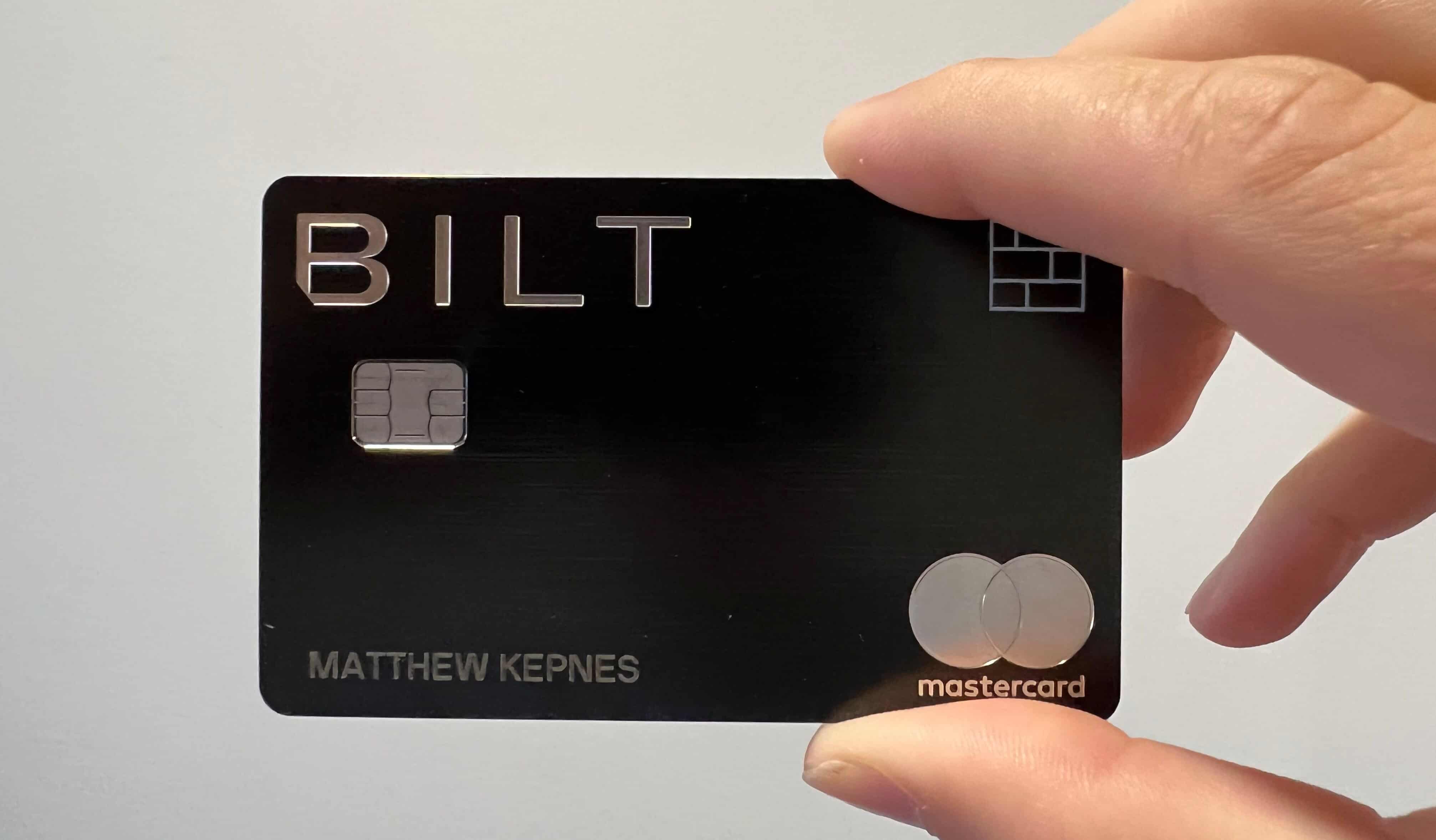
As I mentioned above, transferable points are those that you can transfer to different programs and they are at the heart of every good points and miles strategy. You want points with the banks because you can then take those points and transfer them to a plethora of different airlines and hotels. That makes it easy to take advantage of different rewards programs and deals.
However, many people shy away from using them, as it seems too complicated. They might get a card with transferable points but redeem them through a travel portal or choose to get cash back instead (which you shouldn’t do).
Transferable points are how you can get amazing value. You can earn transferable points and miles with credit cards issued by Chase, Capital One, Bilt, Citi, and American Express, though keep in mind that these are all separate “currencies.” With Chase, you earn Ultimate Rewards points, while you earn Membership Rewards points with American Express.
It’s generally better to get transferable points than, say, airline-specific points (such as you’d get with an airline credit card), as those can’t be moved anywhere. Delta points can only be used on Delta flights (or their alliance partners), and if you find a better flight with United, that’s too bad — you can’t use your Delta points to take advantage of it.
While it might seem complicated, it’s easier than you think — it’s just about finding the right card for your needs, moving points to an airline or hotel partner, and then booking. This process is easier than ever thanks to the new points-booking search engine, point.me. (Get 4 months free on the Standard plan with code NOMADICMATT4. )
(I also go more in-depth into transferable points and how to use them in my Points & Miles Guide.)
10. Hoarding Your Points

Many people, once they amass some points, are afraid to use them at all. They either don’t know how to use them or want to wait for the “best possible value.”
But points burning a hole in your virtual pocket aren’t going to help you. The value of points changes all the time as credit card companies, hotels, and airlines alter their programs. Unfortunately, that means your points could lose a significant amount of value overnight (don’t worry, this doesn’t happen frequently, but it does happen).
Points are meant to be used. They’re a vehicle for getting you free flights and hotels so that you can get out there and see the world. Don’t sit around watching your points balance climb higher and higher — use those points, get out there, and start traveling!
As long as you make concrete goals, pay off your bill each month, and focus your spending on the right card(s), you’ll be able to enjoy time-saving perks and free travel in no time — and all just by spending the money you would have spent anyway!
To get you started, here’s a link to a list of my favorite card offers.
Stop paying full price for travel!
Download my free guide to points and miles and learn how to use points and miles for free travel! It's how all the pros travel so much! In this guide, I'll show you:
- How to Pick a Credit Card
- How to Earn Up to 10x Miles on Your Spending
- How to Redeem Your Points
- And a Ton of Other Money Saving Tips!
Book Your Trip: Logistical Tips and Tricks
Book Your Flight
Find a cheap flight by using Skyscanner. It’s my favorite search engine because it searches websites and airlines around the globe so you always know no stone is being left unturned.
Book Your Accommodation
You can book your hostel with Hostelworld. If you want to stay somewhere other than a hostel, use Booking.com as it consistently returns the cheapest rates for guesthouses and hotels.
Don’t Forget Travel Insurance
Travel insurance will protect you against illness, injury, theft, and cancellations. It’s comprehensive protection in case anything goes wrong. I never go on a trip without it as I’ve had to use it many times in the past. My favorite companies that offer the best service and value are:
- SafetyWing (best for budget travelers)
- World Nomads (best for mid-range travelers)
- InsureMyTrip (for those 70 and over)
- Medjet (for additional evacuation coverage)
Want to Travel for Free?
Travel credit cards allow you to earn points that can be redeemed for free flights and accommodation — all without any extra spending. Check out my guide to picking the right card and my current favorites to get started and see the latest best deals.
Need a Rental Car?
Discover Cars is a budget-friendly international car rental website. No matter where you’re headed, they’ll be able to find the best — and cheapest — rental for your trip!
Need Help Finding Activities for Your Trip?
Get Your Guide is a huge online marketplace where you can find cool walking tours, fun excursions, skip-the-line tickets, private guides, and more.
Ready to Book Your Trip?
Check out my resource page for the best companies to use when you travel. I list all the ones I use when I travel. They are the best in class and you can’t go wrong using them on your trip.
The post 10 Points & Miles Mistakes to Avoid appeared first on Nomadic Matt's Travel Site.
]]>The post Bilt Mastercard® Review: Earn Points By Paying Your Rent appeared first on Nomadic Matt's Travel Site.
]]>
As an avid traveler, I’m always looking for new ways to earn more points and miles through my everyday spending. As a result, I earn over one million points every year, allowing me to enjoy all kinds of free flights and hotel stays, upgrades, lounge access, elite status, and more.
Collecting points and miles has saved me thousands and thousands of dollars over the years, and I wouldn’t be able to travel as much without it.
However, there’s traditionally been one huge expense that has always been hard to earn points for: rent.
For years, points and miles collectors have taken advantage of temporary offers that waive credit card fees or gone through complex procedures to pay their rent so they could get points.
But these maneuvers were all hit or miss and never lasted long. Thousands of potential points continued to be left on the table.
Until now.
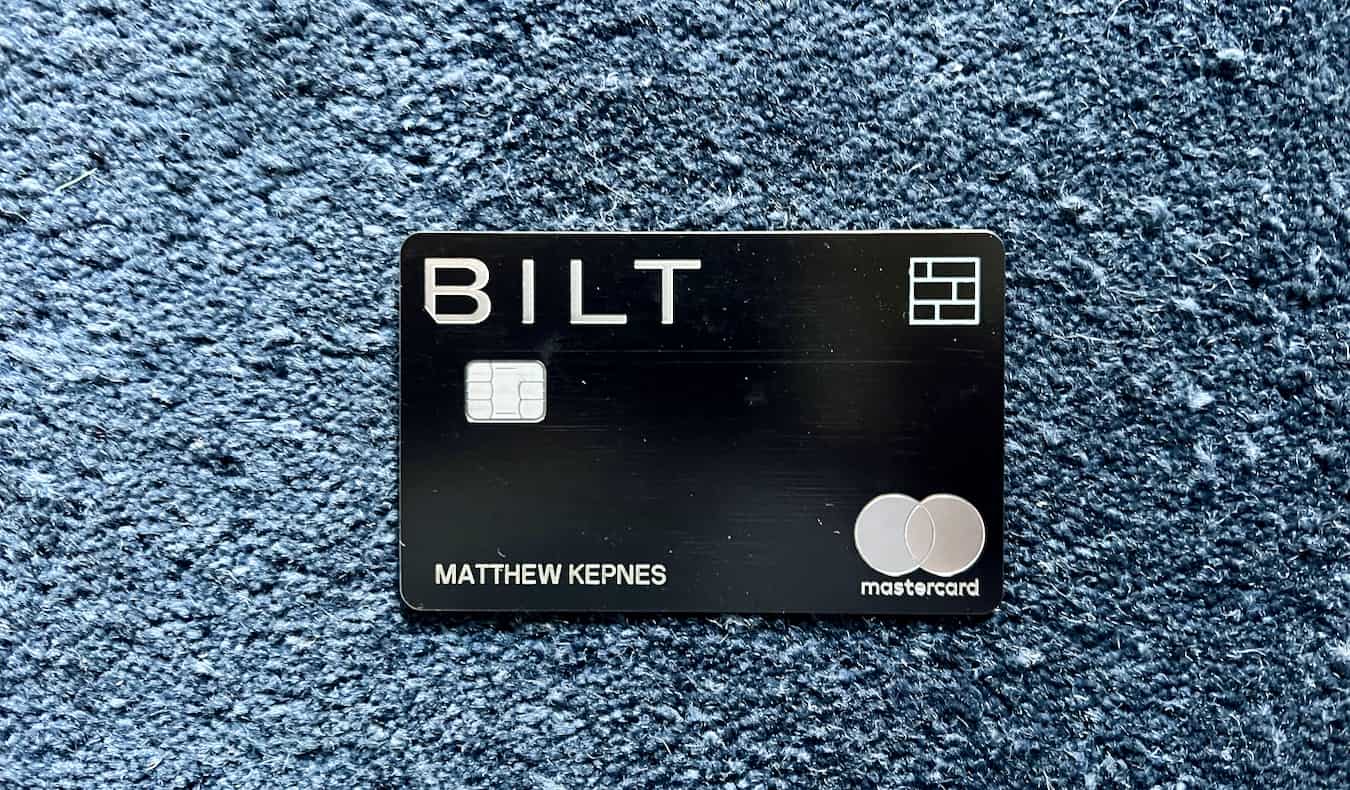
With the arrival of the Bilt Mastercard® (See rates and fees), you can now earn points on rent (up to 100,000 Bilt Points per year), without paying any transaction fees for doing so. And it has changed the game. (Use the card 5 times each statement period to earn points.)
What is Bilt?
 Bilt (See rates and fees) is a credit card that allows you to earn points when you pay your rent (as well as on everyday purchases). You then use those points like you would any other rewards program: you can use them to book travel directly, you can transfer them to travel partners, or you can use some of the other redemption options.
There are two ways to earn Bilt points on rent payments without paying the transaction fee: by renting at a property in Bilt’s partner network and paying with ACH, or by using the Bilt World Elite Mastercard®.
Bilt Alliance properties form a network of two million units across the US. But I’m not going to focus on that. I’m going to talk about its credit card since that’s what most people will be using.
How Does the Bilt Card Work?
Once you open a Bilt Mastercard® (which is issued by Wells Fargo and has no annual fee), you go to the Bilt app or website to set up your recurring monthly rental payments.
Bilt then creates a unique bank account tied to your Bilt credit card so that your rent is paid with an e-check rather than through your credit card. This bank account is basically a legal “dummy” account created as a workaround for credit card processing fees. You do not use it for anything else, and you do not withdraw or deposit money from it.
Whenever these unique routing and account numbers are used to pay rent, your Bilt Mastercard® is charged for the same amount. (You still have to connect your personal bank account to pay off the card each month.)
And, if your property is old-school and only accepts checks, you can still pay with your Bilt card through the Bilt Rewards app or website, and Bilt will send a check on your behalf.
It all takes about five minutes to set up. When you’re done, you’ll be earning points on your rent (capped at 100,000 points each calendar year). I use it, so I don’t leave any points on the table, and it’s one of my favorite cards.
Earning Bilt Points
Once your account is set up, you’ll start earning one point per dollar spent using the Bilt credit card on rent payments, up to 100,000 points each calendar year.
And, while earning points for rent payments is Bilt’s main draw, you’ll also earn two points per dollar spent on travel (when booked directly with airlines, hotels, motels, resorts, cruise lines, and car rental agencies or through the Bilt Travel portal), three points per dollar spent on dining, and up to 5 points per dollar spent on Lyft when you link your Bilt and Lyft accounts. You’ll get one point per dollar on other purchases. All and all, Bilt makes it easy to earn points (which, again, is why this card is one of my favs).
Just note that you have to make five purchases each statement period (with no minimum spending requirement) to earn these rewards (more info on rewards and benefits here).
Using Bilt Points
Bilt points are transferable points, meaning that you can transfer them to any of their partners to book flights and hotels. These points are valuable because you can transfer them to whatever airline or hotel brand offers the best deal for your desired trip.
Here’s Bilt’s list of current travel partners:
- Alaska Airlines
- AerClub (Aer Lingus)
- Aeroplan (Air Canada)
- Accor ALL
- Avianca Lifemiles
- British Airways
- Cathay Pacific
- Emirates
- Flying Blue (Air France/KLM)
- Hilton Honors
- Iberia
- IHG® One Rewards
- JAL Mileage Club
- Marriott Bonvoy

- Qatar Airways
- TAP Air Portugal Miles&Go
- Turkish Airlines
- United
- Virgin Atlantic
- World of Hyatt®
The fact that you can transfer Bilt points to Alaska Airlines and Hyatt really sets this card apart (besides the rent thing). No one transfers to Alaska, so this is a huge selling point for this card. It’s the only way to get these points without having an Alaska Airlines card. And earning Hyatt points allows you to have a way out of the Chase system.
Want to travel the world for free?
Download my free guide to points and miles and learn how to master the one thing all travel experts do to save money and get free flights and accommodation!
Enter your info below to get the guide sent to you right away:
It’s easy to find the best use of your Bilt points when both booking flights and hotels, as Bilt integrates with both Point.me, the search engine for finding award flights (learn more about Point.me in my review), and Awayz, which helps you find award hotel stays (more in my Awayz review here).
Just put your desired destination into the flight or hotel search function in the Bilt app, and you’ll be able to see options that you could book with Bilt points. Once you’ve decided, you can transfer your Bilt points to the necessary travel partner right within the app.
You can also redeem points for fitness classes (like SoulCycle, Solidcore, and Y7), Amazon.com, Blade, future rent payments, toward a down payment on a home, and for items in the Bilt Collection, a curated selection of artisan home décor items.
Bilt Milestone Rewards and Elite Status
Purchases also help you earn status and Milestone Rewards in the Bilt Rewards program, based on the total points earned or total spend over the year:
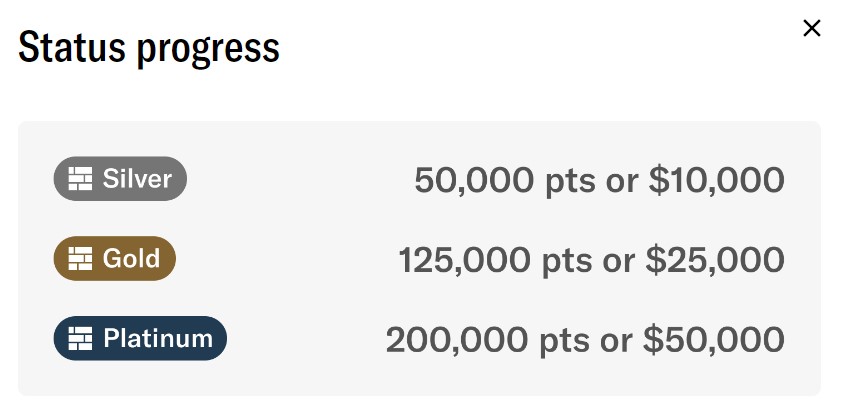
Points earned towards these benefits include all annual spending made on your Bilt Mastercard (except rent) as well as the following purchases made on any linked cards: flights and hotels booked through the Bilt travel portal, Bilt dining purchases, Lyft rideshares (when Bilt is your linked loyalty card), and fitness classes booked through Bilt.
The status tiers are as follows (subsequent tiers include everything in the aforementioned ones):
- Blue: Earn points on rent and the ability to transfer them 1:1 to travel partners
- Silver (50,000 Bilt Points or $10,000 of eligible spending): interest on your points balance (at the FDIC published national savings interest rate), priority Rent Day access, higher Rent Day transfer bonuses, 10% off BLADE airport flights
- Gold (125,000 Bilt Points earned or $25,000 of eligible spending): Gold priority Rent Day access, even higher Rent Day transfer bonuses, access to a home ownership concierge (who will walk you through the home-buying process)
- Platinum (200,000 Bilt Points or $50,000 of eligible spend): Platinum priority Rent Day access, even higher Rent Day transfer bonuses, one free BLADE flight between Newark, JFK, and Manhattan or Monaco and Nice
Again, all spending on the Bilt Mastercard is eligible. And every 25,000 Bilt Points you earn, you’ll unlock a new level in the new Bilt’s Milestone Rewards system, with limited-time offers including accelerator earn opportunities, points towards the Bilt Collection, extra points on Bilt Dining, and more.
Once you hit a reward tier, you can claim your offer, which will then be valid for the allotted time period. Except for Bilt dining, all bonus earn is only for purchases made with your Bilt Mastercard. Milestone Rewards you can hit are as follows:
- 25,000 and 50,000 points: Double points on Bilt Dining for 7 days, 2X at grocery stores for 30 days, 2X at gas stations for 30 days, 2X on sports & concert tickets for 30 days, 1,000 points for the Bilt Collection
- 75,000 points: 2X on digital wallet purchases for 7 days, 10X on your next 3 Lyft rides
- 100,000 points: Get 5,000 points closer to the next status
- 225,000 points: 7,500 points for the Bilt Collection
- 250,000 points: 4X at grocery stores for 30 days, 4X at gas stations for 30 days
You can see your progress towards your next milestone reward when logged in on the website or app:
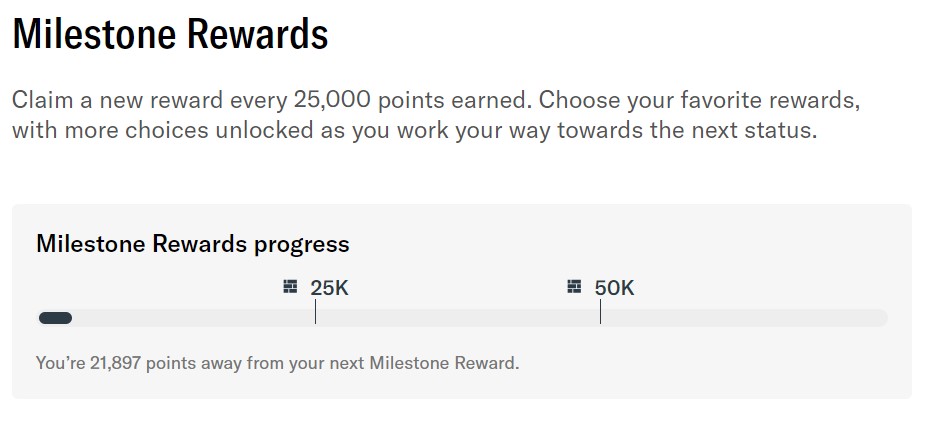
Bilt is constantly improving upon this rewards system too, so while this is a strong start with some nice bonus earn offerings, I expect to see even more to come from Bilt here. And remember that even at the base rewards level, you can still take advantage of Bilt’s main attraction: earning points on rent.
Plus, in addition to earning points, the card also gives you:
- Trip Cancellation and Interruption Protection
- Trip Delay Reimbursement
- Auto Rental Collision Damage Waiver
- Cellular Telephone Protection
- No foreign transaction fee (Terms & Conditions)
- $5 USD in Lyft credits each month after taking three rides that month
Click here for a full breakdown of Rewards and Benefits and Rates and Fees.
Who Is This Card For?
This card is suited for anyone who wants to earn points on their monthly rent. Once you set up the online payments (you can also set up auto-pay) and use your card five times each statement period, it’s largely a “set it and forget it” kind of card. With no annual fee, you have only points to gain.
The card is especially geared toward travelers and restaurant-goers, since it offers 2x points spent on travel and 3x points on dining out. It’s best paired with other travel credit cards that have better perks, nice welcome bonuses, and higher earning rates, though.
I’ve been using the Bilt card a lot more instead of my Chase cards, because I get a lot of Chase points through business spending. Bilt has some unique transfer partners (like Alaska Airlines), so I always like having some Bilt Points on hand.
Who Is This Card Not For?
As with any travel credit card, you should not get the Bilt card if you’re already carrying a balance or plan to carry a balance. Interest rates for travel credit cards are notoriously high, and the Bilt card is no different. The points just aren’t worth it if you’re paying interest each month.
This card is also not for anyone with poor credit, as you need good or excellent credit to qualify.
Furthermore, the Bilt card won’t be for anyone looking for one with a big welcome bonus (as there is none), and it does count toward Chase’s 5/24 rule (you can’t open more than five Chase cards within 24 months). If you’ve already opened five Chase cards or want to open more, you might want to skip this one for now.
In sum, if you are a renter and want to earn points on this major monthly expenditure, then it’s worth considering the Bilt card. It has no annual fee, and easy to set up. Even if your rent isn’t particularly high, points are points, and the Bilt card could be a nice additional resource for earning those coveted points and miles (especially if you fly Alaska Airlines, as Bilt is the only card that earns points transferable to this airline).
As the only rewards card that lets you earn points on rent without transaction fees while doing so, Bilt is a welcome new player in the travel space. In my opinion, it’s really a no-brainer if you pay rent, so you can start working toward some free flights and hotel stays. I think this card is a must-have for travelers in the US. It’s my go-to card currently and I can’t recommend it enough!
Stop paying full price for travel!
Download my free guide to points and miles and learn how to use points and miles for free travel! It's how all the pros travel so much! In this guide, I'll show you:
- How to Pick a Credit Card
- How to Earn Up to 10x Miles on Your Spending
- How to Redeem Your Points
- And a Ton of Other Money Saving Tips!
Book Your Trip: Logistical Tips and Tricks
Book Your Flight
Find a cheap flight by using Skyscanner. It’s my favorite search engine because it searches websites and airlines around the globe so you always know no stone is being left unturned.
Book Your Accommodation
You can book your hostel with Hostelworld. If you want to stay somewhere other than a hostel, use Booking.com as it consistently returns the cheapest rates for guesthouses and hotels.
Don’t Forget Travel Insurance
Travel insurance will protect you against illness, injury, theft, and cancellations. It’s comprehensive protection in case anything goes wrong. I never go on a trip without it as I’ve had to use it many times in the past. My favorite companies that offer the best service and value are:
- SafetyWing (best for budget travelers)
- World Nomads (best for mid-range travelers)
- InsureMyTrip (for those 70 and over)
- Medjet (for additional evacuation coverage)
Want to Travel for Free?
Travel credit cards allow you to earn points that can be redeemed for free flights and accommodation — all without any extra spending. Check out my guide to picking the right card and my current favorites to get started and see the latest best deals.
Need a Rental Car?
Discover Cars is a budget-friendly international car rental website. No matter where you’re headed, they’ll be able to find the best — and cheapest — rental for your trip!
Need Help Finding Activities for Your Trip?
Get Your Guide is a huge online marketplace where you can find cool walking tours, fun excursions, skip-the-line tickets, private guides, and more.
Ready to Book Your Trip?
Check out my resource page for the best companies to use when you travel. I list all the ones I use when I travel. They are the best in class and you can’t go wrong using them on your trip.
The post Bilt Mastercard® Review: Earn Points By Paying Your Rent appeared first on Nomadic Matt's Travel Site.
]]>The post 11 Cheap Places to Travel on the US Dollar appeared first on Nomadic Matt's Travel Site.
]]>
It’s never been easier to travel with almost no money. While post-COVID “revenge travel” has driven up prices in the short term, those are already starting to drop back down to pre-pandemic levels. And, with the spread of the sharing economy, plentiful cheap flights, and access to budget accommodation, getting away has never been more affordable.
If you’re an American, the strong dollar has made many places very cheap (or at least cheaper) to visit. While that’s not great for other folks, it is good for us Americans, as we’re getting the best exchange rates we’ve had in years. And although absolute prices are up, you’re still getting a ton of value right now.
While there are lots of great destination options, I wanted to list a few of my favorites. These are places I think are the most interesting, fun, and easy to get to, and offer excellent value for your money.
For a quick list, here’s a look at some of my favorite destinations where the US dollar does a long way (or longer than it used to):
Want more information? Here’s my full breakdown of 11 cheap places to travel on the US dollar:
1. Costa Rica

AVERAGE DAILY COST: $50/day
Costa Rica is my favorite Central American country. Though it’s one of the most expensive in the region, your money will still go far here. It also strikes a balance between budget-friendly and safe, while still offering plenty of amazing sights and activities.
In this magical place, there is a ton to see and do. You’ll find cloud forests, endangered turtles, incredible surfing, towering volcanos, epic white-water rafting, fantastic nature preserves, deep-sea diving, and some of the happiest and nicest people around.
And on the budget travel side, you’ll only need about $50 USD per day, if you use hostels and buses and cook your own food; you’ll also be able to do a few budget activities, like snorkeling or hiking trips. As a bonus, flights from the US are also very cheap. If you’re flexible, you can find round-trip flights for under $250 USD.
On a mid-range budget of $125 USD per day, you can stay in an Airbnb, eat out for all your meals, take the occasional taxi to get around, enjoy more nights out, and do more paid activities (like guided tours, surf lessons, and museum visits). In short, you won’t want for anything on this budget.
Learn more and plan your trip with my in-depth guide to traveling Costa Rica!
2. Vietnam

AVERAGE DAILY COST: $30/day
Vietnam is one of the cheapest countries in an already budget-friendly region. If you budgeted $25-30 USD per day, you would want for little. Hostels are just a few bucks a day, and you can get delicious street food for as little as $1 USD. (You can visit the country comfortably quite comfortably for $50-75 USD per day if you’re looking for more luxury.)
Be sure to spend some time in the hectic capital of Hanoi, and visit HaLong Bay when you’re in the north.
In the south, don’t miss the Chu Chi Tunnels near Ho Chi Minh City (tunnels used by the Viet Cong during the war with the US). They offer an eye-opening look at the conflict.
For some adventurous activities, like canyoning and cliff jumping, head to Da Lat. If you’re looking for beaches, Nha Trang and Mui Ne should be at the top of your list!
Learn more and plan your trip with my in-depth guide to traveling Vietnam!
3. Romania

AVERAGE DAILY COST: $30-40/day
Not only is Romania an underrated destination in Europe, but it’s also a budget-friendly one. Bucharest is a modern, up-and-coming capital, and the entire Transylvania region is breathtaking. Brasov, my favorite city there, offers lots of history (including the infamous Bran Castle, known as “Dracula’s Castle”). Transportation is cheap, and both ridesharing and hitchhiking are common. It’s a huge country, too so you can easily spend a few weeks and still just scratch the surface. In fact, I love it so much that I used to run tours there!
Backpackers can comfortably enjoy their time here for as little as $35-40 USD per day, which is a steal in Europe. And if you want to splurge and stay in hotels, eat out more, and enjoy a few drinks, you can easily do that for under $100 USD per day (or less).
Now that Romania is a (partially) part of the Schengen Area and there are no border checks via sea or air, I suspect the country will become more popular. That means more people and higher prices, so don’t wait to visit!
Learn more and plan your trip with my in-depth guide to Romania!
4. India

AVERAGE DAILY COST: $25-30/day
While India has always been a cheap country, with the US dollar doing so well, it’s even cheaper! You can get by on as little as $25-30 USD per day — often less! Mouthwatering meals can be found for under $2 USD, and accommodation is just $5-10 USD per night, depending on where you are.
Even if you go for mid-range accommodation and food, you’ll be hard-pressed to spend more than $50 USD per day unless you’re staying at fancy resorts — and even they are quite affordable! While flights to India can be expensive, once you arrive, everything is a bargain.
Be sure not to miss the epic Taj Mahal, the laid-back beaches of Goa, the holy city of Varanasi, and sweeping metropolises like New Delhi and Mumbai.
Learn more and plan your trip with my list of the best things to see and do in India!
5. Argentina

AVERAGE DAILY COST: $40-50/day
Argentina is brimming with history, culture, wine, football, and outdoor wonders like Patagonia. It’s one of my favorite countries in South America. Its capital, Buenos Aires, is considered one of the liveliest cities in the world. (Most people speak English, which makes it easier to get around.) I’ve never drunk so much wine or eaten as much steak as I did here (which blew my budget, but it was worth it!).
The only problem is the rampant inflation, so prices are always in flux (especially now that their current leader is making some sweeping changes). But even with that, you can still get by on around $40-50 USD per day by staying in hostels and sticking to cheap and free activities like museum visits, hiking, and free walking tours.
Patagonia is the main draw here, offering stunning landscapes and world-class hiking. Nature lovers will also want to visit Iguazú Falls, the largest waterfall system in the world! And while guided hikes cost upwards of $450 USD for a multiday trek, that’s still super cheap considering it’s a once-in-a-lifetime experience. I’m not a big hiker or camper but even I thought it was amazing!
Learn more and plan your trip with my in-depth guide to Argentina!
6. South Africa

AVERAGE DAILY COST: $50-60/day
Safaris, wineries, mountains, and an endless coastline that is perfect for road trips. That’s South Africa. As a backpacker or budget traveler, this country is an amazing destination to visit as there are a lot of work opportunities as well as plenty of adventurous activities (and some great hiking) to keep you busy.
While it’s true that South Africa struggles with corruption and petty crime, it has a booming tourism industry and a growing backpacker and digital nomad scene. It’s an amazing place to road trip too.
With $50-60 USD per day, you’ll be able to enjoy the amazing beaches and laid-back lifestyle that makes South Africa so appealing. While there are definitely cheaper places on the continent, you’ll get a lot of value here.
Don’t miss hiking up Table Mountain or visiting the penguins when you’re in Cape Town. And if you’re looking for a world-class safari experience, head to Kruger National Park!
Learn more and plan your trip with my in-depth guide to South Africa!
7. Cambodia

AVERAGE DAILY COST: $45-50/day
Cambodia is one of my favorite countries in the world. The people are so incredibly welcoming, and even after a long absence between visits, I still found it to be one of the best destinations in Southeast Asia: affordable, friendly, and safe.
Prices have increased a little over the years, but not by much (it’s still cheaper than Thailand). Backpackers can easily get by for $45-50 USD or less per day. Street food is cheap and delicious (Phnom Penh is an amazing foodie city), and hostels cost under $10 USD per night. You can travel across much of the country via bus for $20 USD too.
Plus, Angkor Wat is one of the most amazing historical sites in the world. It’s $37 USD to enter, but it’s a Wonder of the World and should not be skipped (a three-day pas is $62 USD, and I do suggest spending more than one day here).
Be sure to also visit the Killing Fields and the Tuol Sleng Genocide Museum in Phnom Penh for a sobering look at the country’s violent past. It’s heavy but necessary.
Learn more and plan your trip with my in-depth guide to Cambodia!
8. South Korea

AVERAGE DAILY COST: $60-75/day
I don’t know why most people don’t talk about it, but if you want a cheap East Asian country with stunning countryside, South Korea is it. The country offers a lot of value!
When I went to South Korea a few years ago, I was stunned by how cheap everything was. Sure, it’s not as inexpensive as Southeast Asia, but compared to Japan or Europe, it’s quite affordable. With the South Korean won at 1,309 KRW per USD and most everything costing only a few thousand won, I can’t imagine busting your budget here (unless you’re a huge foodie, because the cuisine here is delicious).
You can pick up bottles of beer at 7-11 for a couple of dollars. Hostels in Seoul start around $16 USD per night (hotel rooms start at $25 USD per night). Backpackers can get by for only $60-75 USD here.
Be sure to indulge in Seoul’s culinary scene while you’re here, and visit the Gyeongbukgung Palace (it’s the most stunning royal palace in Seoul). For a more luxurious getaway, head to Jeju Island for beaches and some fun in the sun. And if you want to learn about the country’s temultuous relationship with North Korea, take a guided tour of the DMZ.
Learn more and plan your trip with my in-depth guide to South Korea!
9. Mexico

AVERAGE DAILY COST: $50/day
I confess, I was late to the party on Mexico. While I had visited some of the touristy areas, it wasn’t until recently that I finally explored beyond the resorts. And I loved every minute.
Mexico City is a world-class metropolis with amazing food and nightlife, Oaxaca has incredible historic sites and an abundance of delicious eateries (and all the mezcal you can drink), and the Yucatán Peninsula is perfect for road trips and swimming in secluded cenotes (sinkholes).
While the country gets a bad rap in the US (thanks to overzealous media coverage), it’s actually much safer (and cheaper) than people think. Travelers can get by on as little as $50 USD per day ($100-120 USD if you want hotels and not hostels), and flights from the US are often just $200 USD round-trip.
In short, it’s a great option for US travelers who are short on time but still want to explore somewhere fun, sunny, and cheap.
Learn more and plan your trip with my in-depth guide to Mexico!
10. The United Kingdom
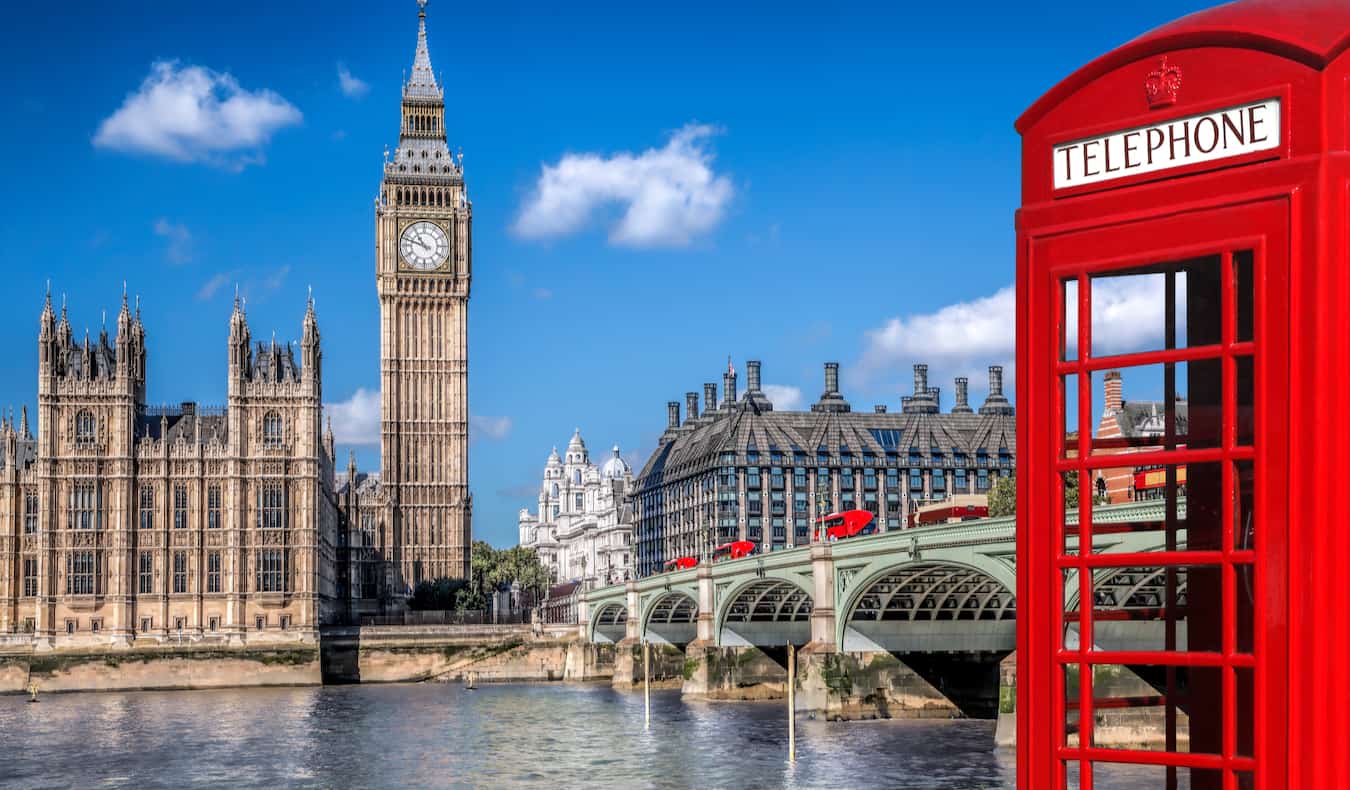
AVERAGE DAILY COST: $75/day
In years past, the British pound (GBP) has been worth up to double the US dollar. That’s not the case anymore. Still struggling post-Brexit, it’s now worth just 20-30% more than the dollar. So, while the UK isn’t exactly a cheap place to visit, the weakened pound and strong dollar mean that now you’ll get a lot more value compared to years past. Backpackers can get around for as little as $75 USD per day by sticking to hostels, free museums, and cheap pub food. There’s tons of free things to do in London so you don’t have to break the bank here.
If you do want to splash out, skip-the-line tickets of the Tower of London are a must.
Learn more and plan your trip with my in-depth guide to England and Scotland!
11. Everywhere!
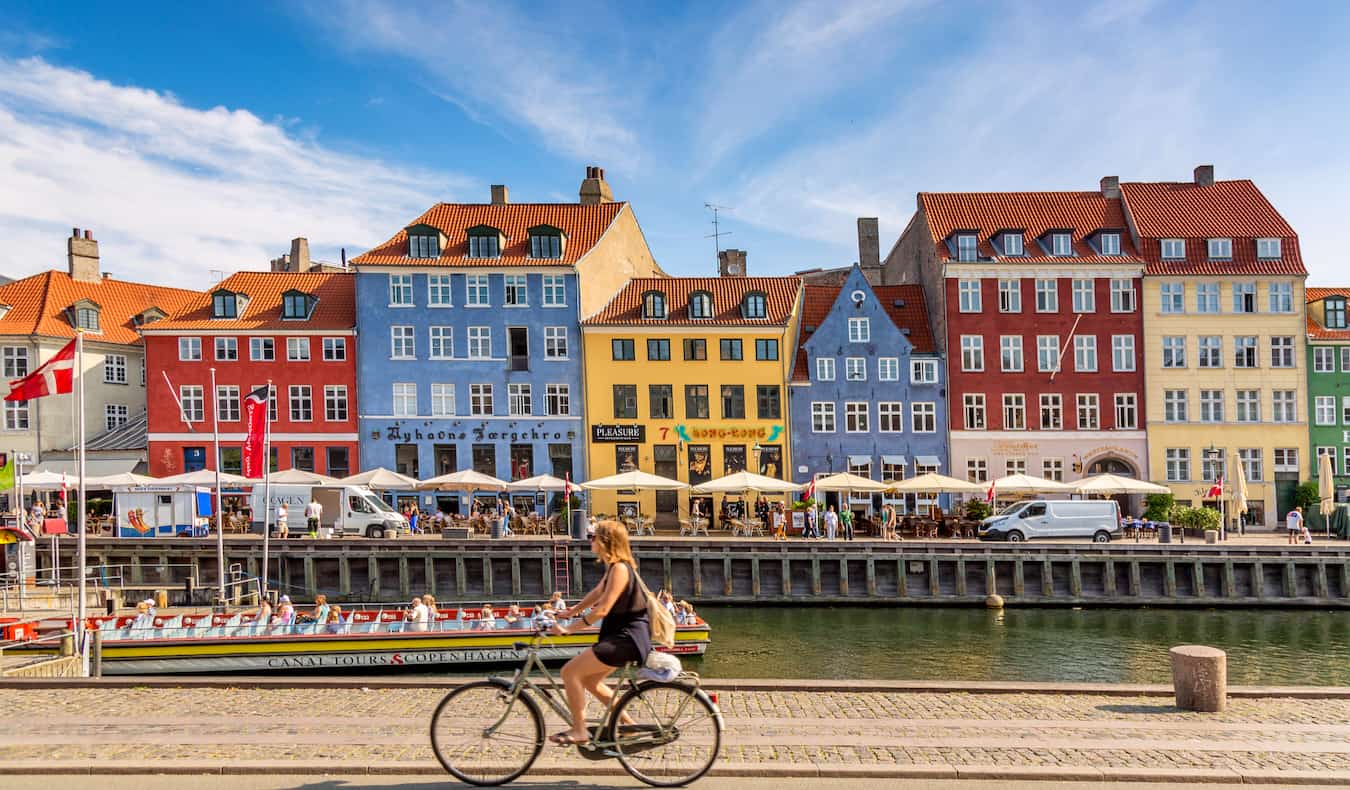
Right now, everywhere is “discounted” if you’re an American. The euro and US dollar are close to par, the pound is weak, as are the yen, Canadian, Australian, and New Zealand dollars, etc. etc. It’s an especially good time to travel to countries that are usually expensive, such as Iceland, Norway, Denmark, and New Zealand. Your dollars will go much further than in years past, so you should really take advantage of that opportunity, because you don’t really know how long this will last!
A strong US dollar makes traveling the world much cheaper than it would be otherwise — especially if you want to head to Europe and visit some “traditionally expensive” destinations. And while a strong dollar doesn’t mean “free,” it can definitely help you travel longer or in more luxury.
Don’t miss out on the opportunity while you can. Because who knows how long the strong dollar will last?
How to Travel the World on $75 a Day
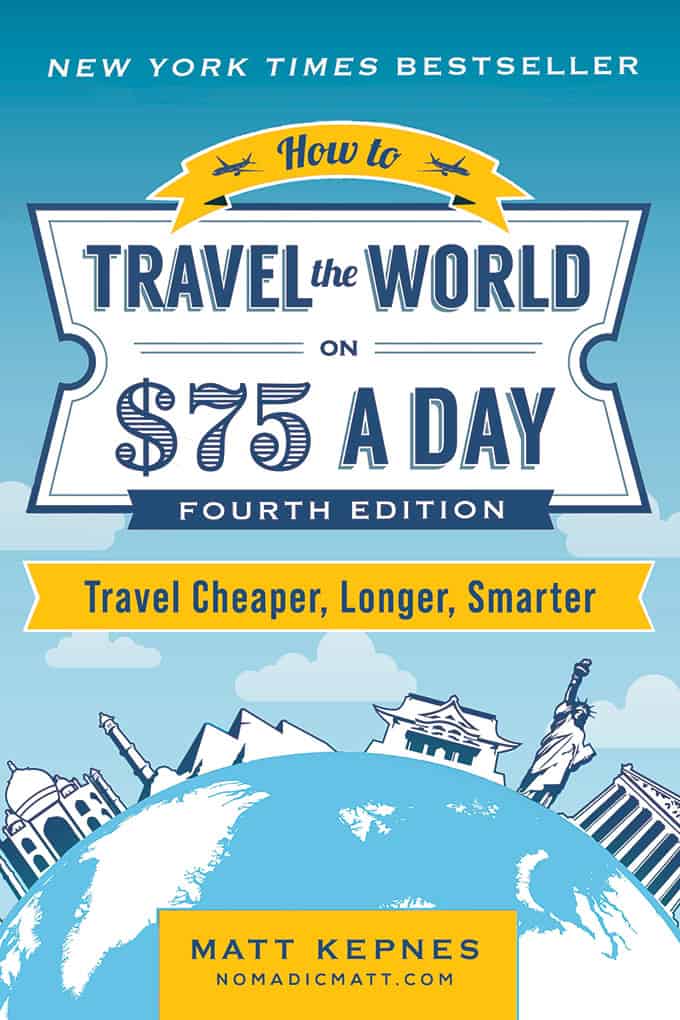
My New York Times best-selling book to travel will teach you how to master the art of travel so that you’ll get off save money, always find deals, and have a deeper travel experience. It’s your A to Z planning guide that the BBC called the “bible for budget travelers.”
Book Your Trip: Logistical Tips and Tricks
Book Your Flight
Find a cheap flight by using Skyscanner. It’s my favorite search engine because it searches websites and airlines around the globe so you always know no stone is being left unturned.
Book Your Accommodation
You can book your hostel with Hostelworld. If you want to stay somewhere other than a hostel, use Booking.com as it consistently returns the cheapest rates for guesthouses and hotels.
Don’t Forget Travel Insurance
Travel insurance will protect you against illness, injury, theft, and cancellations. It’s comprehensive protection in case anything goes wrong. I never go on a trip without it as I’ve had to use it many times in the past. My favorite companies that offer the best service and value are:
- SafetyWing (best for budget travelers)
- World Nomads (best for mid-range travelers)
- InsureMyTrip (for those 70 and over)
- Medjet (for additional evacuation coverage)
Want to Travel for Free?
Travel credit cards allow you to earn points that can be redeemed for free flights and accommodation — all without any extra spending. Check out my guide to picking the right card and my current favorites to get started and see the latest best deals.
Need a Rental Car?
Discover Cars is a budget-friendly international car rental website. No matter where you’re headed, they’ll be able to find the best — and cheapest — rental for your trip!
Need Help Finding Activities for Your Trip?
Get Your Guide is a huge online marketplace where you can find cool walking tours, fun excursions, skip-the-line tickets, private guides, and more.
Ready to Book Your Trip?
Check out my resource page for the best companies to use when you travel. I list all the ones I use when I travel. They are the best in class and you can’t go wrong using them on your trip.
The post 11 Cheap Places to Travel on the US Dollar appeared first on Nomadic Matt's Travel Site.
]]>The post Points & Miles 101: A Beginner’s Guide to the Process appeared first on Nomadic Matt's Travel Site.
]]>
These days, there are a million and one ways to make budget travel a reality. From embracing the sharing economy to working overseas or volunteering abroad to hunting down cheap flights, traveling has never been easier or more affordable. Even with the pandemic-related price increases, travel is still relatively cheap and there are lots of deals out there to be found.
But the most incredible way to lower your costs even further? Points and miles.
It’s something I’ve been doing for years, which has enabled me to earn more free flights and free hotel stays than I can count. And if you’re not doing it, you’re leaving a lot of money on the table and paying way more for travel than you should be!
What are points and miles?
Collecting points and miles involves signing up for travel credit cards and collecting credit card points, hotel points, and/or airline miles you can cash in for free flights, flight upgrades, hotel stays, transportation, and much, much more.
While there are a ton of advanced tips and tricks to out there (and we go over a lot of them in my guide on the subject), many people don’t even know where to start. The process seems daunting because of all the programs and credit cards out there. Which card do you get? How do you know you’re maximizing your points? And just how do you redeem them for rewards?
It’s a lot to wrap your head around.
But it’s a lot easier than it seems. By just tweaking how you pay for groceries, gas, and dining out, you’ll be able to start earning points and miles toward free travel today.
In this points and miles 101 guide, I’ll explain the basics, so you can stop leaving money on the table and start making your travel dreams a reality.
Here is how you get started:
Step 1: Figure out your goal(s)
The first thing you want to do when it comes to points and miles is to figure out your goal(s). What are you looking to achieve?
Are you saving for a big family trip? Do you just want the odd free economy flight or hotel here and there? Or are you more interested in a huge first-class upgrade? Or are you an avid flyer who wants perks, like lounge access and free upgrades?
There’s no wrong answer, so spend some time pondering this. If you just go into points and miles without direction, you’re going to get lost.
You’ll need to do this because it will help you pick the cards and spending strategies that will get you closer to your goal(s). There are hundreds of travel credit cards to choose from, and they all have their own pros and cons.
For example, if you’re a loyal flier with American Airlines, the best cards to start off with would be those that are AA branded. That way, you can jump-start your point balance as well as get the perks that those cards come with (free checked bags, priority boarding, etc.).
If you’re looking to go to Europe on a United partner, you’ll want to apply for the cards that get you United or Star Alliance points.
Always like staying at a specific hotel chain? Get that particular brand’s card.
If you just want points to spend wherever you choose, get a Chase, Citi, Capital One, or American Express® Card, because you can use their points with a variety of travel companies.
Once you decide your goal(s), you can figure out the cards and programs that will get you there.
Step 2: Get a travel credit card
Once you know your goals to and what perks are important to you, you can start to browse for a credit card.
Note: Collecting points and miles is impossible without a credit card. You just cannot get enough points otherwise. Here’s everything you need to know about credit cards and why they aren’t as evil as society makes them out to be.
While many introductory cards are free, the best travel credit cards usually have an annual fee. You want to make sure you’re always getting more value out of the card than the annual fee. This isn’t hard to do if you’re a traveler, especially if you start with a low fee card. You can also often get the fee waived in subsequent years if you call and threaten to cancel the card. I do that often to avoid the fee.
Some things to remember before you apply for a card:
- There is no perfect card — each has its pros and cons based on your goals. Don’t listen to blogs touting some card as “the best.”
- Aim to get a card with a low annual fee and no foreign transaction fees (so you can use it abroad without paying extra).
- Make sure the welcome bonus is attainable (more on that below).
Remember that you need to pay off your monthly balances to make it worthwhile, so only apply for a card if you’re able to pay off your expenses each month.
Here’s what the ideal card should have:
- A huge welcome bonus – The best travel cards all offer a sizable introductory bonus. It will be these welcome points that jump-start your account and get you closer to a free flight or hotel stay. Typical travel credit card welcome bonuses range between 40,000 to 60,000 points, though sometimes they can be as high as 100,000. That’s why cards are so great: you get an instant balance of tens of thousands of points for very little work.
- A low spending minimum – Unfortunately, in order to get the great welcome bonuses these cards offer, there is usually a required spending minimum in the first few months. I typically sign up for cards with a minimum spending requirement of $3,000 USD in a three- to six-month period. While there are ways to temporarily boost your spending, it’s best to get the bonus using normal day-to-day spending. Only apply for a card or cards that you can meet the minimum spend(s) on to qualify for the welcome bonus(es). (More on minimum spending requirements in the next step.)
- An added category spending bonus – Most credit cards offer one point for every dollar spent. However, good credit cards will give you extra points when you shop at specific retailers, use their online portals, or, if it is a branded credit card, shop with a particular brand. This will help you earn points much more quickly.
- Special travel perks – All of these travel credit cards offer great perks. Many will give you a special elite loyalty status or other perks. Collecting points and miles is not just about just getting points and miles, it’s about what else comes with the card that makes your life easier!
- No foreign transaction fees – Credit cards are great to use overseas because you get the best possible exchange rate from them. But if you are paying a fee every time you use the card, then it’s less good. Nowadays there are so many cards offering no foreign transaction fees that you should never, ever, ever have to get one with a foreign transaction fee.
Want to travel the world for free?
Download my free guide to points and miles and learn how to master the one thing all travel experts do to save money and get free flights and accommodation!
Enter your info below to get the guide sent to you right away:
Step 3: Earn the welcome bonus
As mentioned, the most important part about signing up for a new credit card is to make sure you earn the welcome bonus. Most cards offer this bonus if you spend a set amount within the first few months of receiving a card (usually the first three months). These offers can be huge, often equal to the cost of a round-trip flight.
Obviously, it would be silly to pass up the chance at a free flight, so make sure you can meet the minimum spending requirement for the welcome bonus before you pick a card. If you can’t meet the spending requirement, there’s no point in signing up just yet.
That might mean waiting until your next big purchase (e.g., waiting until you need a new computer, a new couch, etc.) or waiting until a big holiday like Christmas or a loved one’s birthday, so you can earn more points than your normal spending.
If even that isn’t going to do the trick, you’ll need to get creative.
For example, when you go out for dinner, pay for the bill on your credit card and have everyone pay you back. That way, the cost will go toward your minimum spending requirement. Additionally, if any friends or family are planning big purchases, ask them if you can put them on your card so you can get the points. That’s another easy way to meet the minimum spend without having to shop til you drop.
Step 4: Maximize your category spending
Most travel credit cards offer category bonuses. That means that instead of getting just 1 point per every dollar spent, you might get 2 or 3 or even 10 when you shop in particular categories. Restaurants, supermarkets, and gas are three of the most common ones, but there are lots more too.
To maximize your points, always use the right card for each purchase.
If you just have one card to start, just put everything on that card to maximize your points. Once you start branching out and have a few cards, just keep track of the main category bonuses so you don’t miss out by using the wrong card. Earning double, triple, or even 10x the points can drastically speed up your earnings, so don’t skip out on the category bonuses!
Step 5: Redeem your points and miles
It’s time to cash those points in and make your travel dreams a reality! Depending on your spending and financial situation, maybe you’ve been able to save up enough in just a few months. Maybe it’s taken you a couple years. Either way, it’s time to reap the rewards! (If you want to learn more on how to do that, get this guide I wrote.)
FREQUENTLY ASKED QUESTIONS
Now that we’ve laid out the steps, I wanted to answer some common questions I get about collecting points and miles.
Can non-Americans collect points and miles?
Yep! While the US definitely has the best travel cards, many other countries have similar cards too, including Canada, the UK, Australia, and most of Europe.
Start by checking with your local airline to see if it has a branded credit card. You can also check in with your bank and ask what cards are available. Every country is different, so you’ll need to ask around to get the ball rolling.
Here are some posts to help you get started:
- How to Collect Points & Miles in Canada
- How to Collect Points & Miles in Australia & New Zealand
- How to Collect Points & Miles in the UK
Do I need to pay off my bill every month if I want to do this?
Yes. Credit cards charge huge interest fees, which will eat up whatever small benefit you get from the points.
Can you collect miles even if you have bad credit?
Yep! You’ll likely need to start slow, with a card that doesn’t have amazing perks. However, over time, you can build your credit up as long as you’re paying off your bill every month. If you have bad credit, start with a prepaid or secured credit card to build back your credit.
Does opening a new card hurt my credit rating?
Opening or closing a lot of credit cards at once can hurt your credit. However, applying for a few credit cards over a period of time won’t ruin your score. Sure, it will slightly dip every time there is an inquiry, whether for a credit card or home loan or car loan — that’s how the system is set up. But so long as you space out your applications and pay off your bills each month, you won’t find any long-term damage to your credit. I have dozens of cards and apply for and cancel them regularly, and my credit score is excellent.
Collecting points and miles can be intimidating, but it’s really just the art of being smart with your spending on the right one or two credit cards. You don’t really need to do more than that. While you can also dive much deeper in the game (some people really go down the rabbit hole on this!), it’s not all that necessary.
Don’t leave money on the table. Get a card, earn the welcome offer, maximize your points — and then do it all over again! Eventually — with no unnecessary spending — you’ll reach your goal and get to enjoy some awesome travel perks!
Stop paying full price for travel!
Download my free guide to points and miles and learn how to use points and miles for free travel! It's how all the pros travel so much! In this guide, I'll show you:
- How to Pick a Credit Card
- How to Earn Up to 10x Miles on Your Spending
- How to Redeem Your Points
- And a Ton of Other Money Saving Tips!
Book Your Trip: Logistical Tips and Tricks
Book Your Flight
Find a cheap flight by using Skyscanner. It’s my favorite search engine because it searches websites and airlines around the globe so you always know no stone is being left unturned.
Book Your Accommodation
You can book your hostel with Hostelworld. If you want to stay somewhere other than a hostel, use Booking.com as it consistently returns the cheapest rates for guesthouses and hotels.
Don’t Forget Travel Insurance
Travel insurance will protect you against illness, injury, theft, and cancellations. It’s comprehensive protection in case anything goes wrong. I never go on a trip without it as I’ve had to use it many times in the past. My favorite companies that offer the best service and value are:
- SafetyWing (best for budget travelers)
- World Nomads (best for mid-range travelers)
- InsureMyTrip (for those 70 and over)
- Medjet (for additional evacuation coverage)
Want to Travel for Free?
Travel credit cards allow you to earn points that can be redeemed for free flights and accommodation — all without any extra spending. Check out my guide to picking the right card and my current favorites to get started and see the latest best deals.
Need a Rental Car?
Discover Cars is a budget-friendly international car rental website. No matter where you’re headed, they’ll be able to find the best — and cheapest — rental for your trip!
Need Help Finding Activities for Your Trip?
Get Your Guide is a huge online marketplace where you can find cool walking tours, fun excursions, skip-the-line tickets, private guides, and more.
Ready to Book Your Trip?
Check out my resource page for the best companies to use when you travel. I list all the ones I use when I travel. They are the best in class and you can’t go wrong using them on your trip.
The post Points & Miles 101: A Beginner’s Guide to the Process appeared first on Nomadic Matt's Travel Site.
]]>The post How I Earn 1 Million Frequent Flier Miles Each Year appeared first on Nomadic Matt's Travel Site.
]]>
The best way to travel when you don’t have any money is to take money out of the equation. OK, not completely. While you can travel really, really cheaply, some money is required (unless you want to go hobo-style like this guy, in which case, this article isn’t for you).
But, assuming you don’t want to do that, you are going to need some money for travel. But you don’t need as much as you think you do, especially if you work to make your two biggest expenses — accommodation and flights — virtually free.
How?
I’ve written about it before, but I’ve never really broken down how I earn all those points and miles and redeem them for the business-class flights you always see me enjoying on Instagram. In this post, I’ll go into detail and provide the step-by-step breakdown of exactly what I do to earn around one million points a year — all without traveling! (And, when you add in the miles and points I get from traveling, it’s well over a million per year!)
This is going to be a long post, so get your coffee or tea ready.
First, a refresher: collecting airline miles along with hotel and credit card points to get free travel is not about spending lots of money. The idea is to “game the system” and use rewards programs against themselves to get lots of points and miles without spending a lot of money or traveling a lot. You leverage these systems to your benefit.
And it’s not just for Americans — Canadians, UK residents, Australians, Kiwis, and Spaniards can work these systems in their favor. (In reality, anyone can, but it’s just easier if you’re in these countries. So, while I will use the American market as an example, as that is the one I have access to, the principles and strategies I use can apply to you. Just substitute your local cards and programs for mine!)
Miles also lose value over time as airlines change their earning and burning rules so I would rather not waste time getting something with a decreasing value. Miles aren’t money.
Some people do this for the love of the game; I do this because I’m cheap and want to pay for as few flights and hotels as possible.
So here’s how I get those points and miles:
Step 1 – Get a Travel Credit Card
Credit cards are the tool through which you run your money in order to accumulate your points and miles. Think of them as the points-and-miles printing press. You can earn points and miles without them, but the process takes a lot longer and is a lot harder. To make this work, you will need a credit card.
When used properly, credit cards are smart financial instruments. You can earn hundreds of thousands of miles per year that enable you to travel for free (and they offer better purchasing protection than your debit card). Simply having them won’t send you into debt or cost you high interest rates. Just make sure not to spend more than you have and to pay off your bill each month.
So, the first thing I do is apply for a bunch of these credit cards.
But I don’t do it willy-nilly.
I have more cards than the average person needs, but I only apply for new cards to reach a specific goal. This is the important point to know before you begin: have a goal in mind. Think about the trip you want to take, where you want to stay, and how you want to get there, and then get the cards that help you get there.
What have I signed up for this year? In the last six months, I applied for the following cards (note: these offers are all expired and not currently available):
- The Business Platinum Card® from American Express – This 150,000 point welcome bonus is hard to beat (and you don’t even have to have a business to get it!).
- Capital One Venture X Rewards Credit Card – 75,000 point bonus.
- Various airline and hotel cards – 110,000 miles.
Total points earned: 335,000
One thing to note about credit cards is that you can’t just sign up, cancel, and sign up again. Many card companies make you wait 18–24 months before you become eligible for a sign-up bonus again. I cycle through cards on a multi-year basis.
Therefore, I try to space out my sign-ups. I do two or three big credit card sign-up frenzies per year. This allows me to meet any minimum spending requirements (see below), allows the temporary dip the application causes in my credit score to go away, and gets me around any red flags the credit card companies have.
(Note: Chase has something called the 5/24 rule, which states people who’ve applied for more than five cards from any issuer within a 24-month period can’t get a new card from them so you want to get your Chase cards first. American Express also only lets you earn the bonus once per card per lifetime.)
Moreover, despite popular belief, having a lot of credit cards won’t hurt you. In fact, it can help you. Outside of your payment history, your utilization is the next most important factor in your credit score.
Don’t worry about anything else. If you have $100,000 in available credit but only are using $5,000, that’s better than only having $5,000 in credit and using it all every month. Having more cards can actually help your credit score because of the better utilization ratio they create.
If you want to know the current best deals, here’s a list of my favorite credit card offers that offer the biggest rewards.
Step 1a – Earn Points on Rent
Additionally, I earn points on my rent. If you’re a renter in the United States, you have to get the Bilt Mastercard®. Bilt is a credit card that earns you points on paying rent (up to 100,000 Bilt Points per calendar year), with no annual fee. Even if your landlord doesn’t take credit cards, you can pay with Bilt. It acts like a virtual bank account. And they mail checks too. It’s a great card.
In fact, the bonus points structure is so good, I use it for most of my everyday purchases too (you just need to use the card 5 times each statement period to earn points; see Rewards & Benefits for more info). Here’s a complete breakdown of how it works. If you pay rent and do not get this card, you’re being foolish! It’s a must!
Total points earned: 30,000
Step 2 – Meet the Minimum Spending Requirements
Each of these cards comes with a minimum spending requirement before you can earn that bonus. You just don’t get it for nothing. Since the purpose is to not spend extra money (you should absolutely not go into debt for this), I had to figure out ways to meet those spending requirements without incurring extra debt. Here’s how I did it:
- In the US, you can pay your federal tax bill on a credit card for a fee of 1.87%. I don’t pay all my taxes during the year so that at the end of the year, I have to pay them in one large chunk. I then time that tax payment with a credit card sign-up so I can get the bonus. Yes, there is a fee, but if you work out the math, it’s worth it. That took care of a big chunk of this.
- I time my purchases and sign-ups. If I have to move, buy furniture, need a computer, or join a gym, I sign up for a card and then charge my big purchases to the card.
- I go out to dinner with my friends, pay, and ask them to reimburse me. This is especially easy with apps like Venmo nowadays, where they can reimburse you easily at the exact moment of payment.
- I ask friends and family if they have a big purchase they wouldn’t mind letting me put on my card. This doesn’t always work but often friends and family will let me put it on my card as a favor and then they’ll pay me instead of the store.
Total spend points earned: 30,000
Step 3 – Be Smart with Spending
1. Use category bonuses
In the movie Up in the Air, George Clooney’s character never wastes an opportunity to earn points. I’m the same way. I never, ever, ever just earn one point per dollar spent if I can get 2, 3, or 6 points per dollar spent.
Certain cards have what are known as category bonuses, where you receive 2–5 points per dollar spent. It varies by card, but common categories and bonuses are 2-4 points on restaurants and 2–3 points on airfare and other travel purchases.
For example, if I am buying an airline ticket, I’ll use the card that earns 5 miles for every dollar I spend on airfare. When I’m eating out, a different card that earns 4 points per dollar on dining. For everyday purchases that don’t fit neatly into a category, I use a card that earns 2 points per dollar on everything.
In short, I’m always trying to get more than one point for every dollar I spend.
2. Use airline shopping portals
All airlines, hotels, and travel brands have preferred merchants. These companies — ranging from clothing retailers to sporting good stores to office supply businesses and everything in between — partner with airlines’ (hotels’, etc.) special shopping malls. By ordering online through these malls, you can earn additional points.
You can use Evreward or Cash Back Monitor to discover the current best deals across various programs. Simply type in the merchant or product you want, and it will compile a list of bonuses the various point programs are offering at that moment so can you maximize the programs to purchase from.
Say, for example, you want new clothes from a specific store. Going into a physical store only gets you one point per dollar spent. By using Evreward, you can see the portal offering the best deal, sign in to that portal (you will need to connect your loyalty account), click the link to that store, and purchase online to earn three points per dollar spent. Suddenly, you get 300 points instead of 100 for your $100 shopping spree!
That’s basically what you do for everything. Always look to see where you can get extra points.
3. Use Dining Rewards Programs
Just like shopping portals, airlines also have dining rewards programs. You sign up with your frequent flier number, register your credit card, and get extra points when you dine at participating restaurants in the airline’s network (which rotate throughout the year). It’s important to note that while you can sign up for every program, you cannot register a credit card with more than one. That means that if your Chase Sapphire Preferred® Card is tied to your American Airlines account, you can’t earn miles on your United Airlines account with that same card.
Join one of the programs in the Rewards Network (they run all the dining programs) so you can get five miles per dollar spent once you became a “VIP member,” which happens after 12 dines. So if you get those 12 under your belt (so to speak) early in the year, for the rest of the year you’ll be racking up five points per dollar spent!
A note on keeping track of all this: As I was writing this post, I went to dinner with a few friends. My buddy Noah was like “This is too much to keep track of.” That’s a common feeling among people looking to get into points and miles. However, it appears more complicated than it really is. Once you know what cards give you what bonuses, the next step is to simply use the cards that get those bonuses and meet your goals.
You never want to spread yourself too thin though. having points all over the place will lead you to having low point balances in multiple accounts. I tend to stick to just a few accounts with my everyday spending on Chase Ultimate Rewards and American Express Membership Rewards since they are transferrable points. (Note: Since I solely fly Delta, I don’t worry about building miles in that account as I get plenty through flying and non-bonus business spending on the card.)
Total points earned per year: roughly 100,000-120,000 (spending and bonus category dependent)
Want to travel the world for free?
Download my free guide to points and miles and learn how to master the one thing all travel experts do to save money and get free flights and accommodation!
Enter your info below to get the guide sent to you right away:
Step 4 – Sign Up for Every Contest, Survey, and Deal in the World
Airlines and hotels often offer points and bonuses for signing up for a deal, taking a survey, filling out a form on Facebook, etc. The points here are small (100-1,000 at a time) but, over the course of a year, they can add up. Moreover, the two companies below will give you cash for filling out consumer surveys:
Total points earned per year: 10,000-20,000
Step 5 – Buy Points/Miles….Sometimes
Airlines and hotels sometimes offer really good deals for points/miles and, if I know I am going to use them soon, I’ll buy them at a discount. This basically lets you buy flights for cheaper than booking them.
For example, Lifemiles (Avianca’s membership program) often does a promotion where you can get a 135% bonus on bought miles. If you max the promotion out, you usually get 352,000 miles for around $4,900, but at that rate, you’re buying miles for 1.4 cents per mile, which is an amazing deal. (The closer you get to 1 cent per mile, the better the deal! Follow websites like View from the Wing or One Mile at a Time and they alert you to all these point offers, break it down, and basically tell you if this is a good deal or not.)
It may sound crazy to spend that much money on miles (and you certainly don’t need to do it at all), but let’s put it in perspective. For 90,000 miles, you can book a one-way first-class flight from the US to Asia. Since you spent 1.4 cents per mile, that ticket works out to be $1,260. Not too bad for a first-class ticket, huh?
Buying points and miles is a way to pad your balance and buy tickets at a steep discount. I do this sometimes if I’m traveling soon and know I’m going to paying for the ticket anyway (I don’t always use miles when I travel). It’s not free, but I would rather buy a first-class ticket for $1,260 than an economy ticket for the same price.
Sometimes it’s about finding value and doing a bit of arbitrage to get more for less!
Points earned: 100,000 points
Step 6 – Cancel Cards I Don’t Use
Airline cards have fees so, when the yearly fee comes due, I’ll cancel the cards I don’t use or that don’t have a benefit to me. For example, the British Airways card: I used it for the sign-up miles and was done with it. It was canceled.
A hotel card with under a $100 annual fee? If it comes with a free night, it’s already worth the annual fee so I keep it.
Canceling cards doesn’t hurt your credit score. Old credit lines help, which is why I keep my oldest cards around. They have no fees and high limits so they anchor my credit score.
As I said before, what is important is your overall debt-to-credit ratio. So canceling a few cards lowers that ratio, but if I have no debt it doesn’t matter.
Moreover, I also transfer the credit lines to other cards with that card company so that I don’t lose the credit so be sure to ask your credit card company if you can do the same.
Step 7 — Get a Second Round of Cards
As I said in the beginning, I get cards twice a year. So, when it is time to get cards again, I get a bunch of new cards then repeat step 2 to meet any minimum spending requirements.
Total points earned: 200,000-300,000
Total points earned: roughly 950,000-1,060,000 per year
(The above tricks don’t count all the miles I earn via business expenses, which add up to an additional couple hundred thousand miles a year, putting me well over one million miles earned.)
A lot of this game depends on how much time and effort you put in. If I got more credit cards, I could earn more points. If I devoted more time to this, I could work the system more and get even more miles. I just don’t care enough. I have more miles than I need.
By using the eight steps outlined in this article, the sky is the limit on how many miles you can earn. It just depends on how much you want to ramp up each step. As I said before, my million miles per year is a small number compared to some of the other points and miles pros out there.
However, no matter your effort level, you should do this. Even if you travel only once a year. Using points and miles isn’t complicated. It’s simple and accessible to everyone.
After all, free travel is the best travel.
Stop paying full price for travel!
Download my free guide to points and miles and learn how to use points and miles for free travel! It's how all the pros travel so much! In this guide, I'll show you:
- How to Pick a Credit Card
- How to Earn Up to 10x Miles on Your Spending
- How to Redeem Your Points
- And a Ton of Other Money Saving Tips!
Book Your Trip: Logistical Tips and Tricks
Book Your Flight
Find a cheap flight by using Skyscanner. It’s my favorite search engine because it searches websites and airlines around the globe so you always know no stone is being left unturned.
Book Your Accommodation
You can book your hostel with Hostelworld. If you want to stay somewhere other than a hostel, use Booking.com as it consistently returns the cheapest rates for guesthouses and hotels.
Don’t Forget Travel Insurance
Travel insurance will protect you against illness, injury, theft, and cancellations. It’s comprehensive protection in case anything goes wrong. I never go on a trip without it as I’ve had to use it many times in the past. My favorite companies that offer the best service and value are:
- SafetyWing (best for budget travelers)
- World Nomads (best for mid-range travelers)
- InsureMyTrip (for those 70 and over)
- Medjet (for additional evacuation coverage)
Want to Travel for Free?
Travel credit cards allow you to earn points that can be redeemed for free flights and accommodation — all without any extra spending. Check out my guide to picking the right card and my current favorites to get started and see the latest best deals.
Need a Rental Car?
Discover Cars is a budget-friendly international car rental website. No matter where you’re headed, they’ll be able to find the best — and cheapest — rental for your trip!
Need Help Finding Activities for Your Trip?
Get Your Guide is a huge online marketplace where you can find cool walking tours, fun excursions, skip-the-line tickets, private guides, and more.
Ready to Book Your Trip?
Check out my resource page for the best companies to use when you travel. I list all the ones I use when I travel. They are the best in class and you can’t go wrong using them on your trip.
The post How I Earn 1 Million Frequent Flier Miles Each Year appeared first on Nomadic Matt's Travel Site.
]]>The post Can You Teach English Abroad Without a TEFL? appeared first on Nomadic Matt's Travel Site.
]]>
Whether you want to kick-start a new career, work a short-term job until you have enough money to travel again, or take a longer sojourn in another country, teaching English abroad is an option that allows you to do all those things. I taught English abroad for two years and it was one of the best experiences I’ve ever had. It taught me a lot about myself and the world around me.
But how do you teach overseas?
Most would-be ESL (English as a Second Language) teachers obtain what’s known as a TEFL certificate before they begin their job hunt.
But is that really necessary?
This is a question I’m asked a lot (especially since I don’t have a TEFL yet I taught in two countries).
Can you teach English abroad without having a TEFL certificate?
In this post, we’ll examine whether it’s a requirement or not and I’ll give you tips on how to find a job without one.
Table of Contents
1. What is a TEFL Certificate?
TEFL stands for “Teaching English as a Foreign Language.” It’s a certificate program that teaches you the nuts and bolts of how to teach English as a foreign language. The typical TEFL certificate program will focus on a variety of aspects of language teaching, including practical skills, such as how to teach vocabulary and grammar, using games effectively, and keeping the kids engaged, as well as classroom management.
Most of the best TEFL courses run from a few weeks to a few months, both in person all around the world and online, making them a convenient option for anyone already on the road who is looking to make some money by teaching English.
However, with so many centers offering TEFL training, the quality (and price) can vary drastically from region to region.
For that reason, before you sign up for any certificate program, you should always read reviews and do some research to make sure the program you choose is accepted around the world. Some schools don’t recognize certain training programs, so if you have a particular school you want to teach at in mind, you’ll want to make sure the TEFL program you pick will be accepted there.
That being said, the overwhelming majority of schools accept all certificates. It’s usually just the top-tier schools and/or government programs that are more picky.
Another important consideration is that some schools and government programs require you to have a certain number of classroom-based TEFL hours. As a general rule, the more classroom hours in a course, the better that course is (and the more expensive it will be). Not only will it increase your odds of getting hired but it will make you a better, more competent teacher.
Prices for TEFL courses range between $300 and $2,000 USD. Courses offered in the USA, Canada, Australia, and Europe are often much more intensive and more expensive, especially if they are in-person classes.
If you plan to teach long-term, I would suggest you take a 120-hour course (the industry standard), at least 20 hours of which you’ll spend in a classroom setting. If you are just looking for something temporary, an online certificate will likely suffice.
2. What are the Requirements for Teaching Abroad?
Fortunately, there are not many requirements to get started teaching English abroad. However, they vary from country to country, so you’ll need to do some research on where you’re looking to teach.
Generally speaking, to teach English abroad, it helps a lot if you:
- Are a native English speaker from an English-speaking country
- Have a bachelor’s degree
- Have a TEFL certificate (or a CELTA or TESOL, two other ESL certificates)
- Have some teaching experience (though this is optional)
Most jobs require you to be a native English speaker from one of the following countries: the UK, the US, Canada, Australia, New Zealand, Ireland, or South Africa.
That being said, some countries might hire you if you’re from another country where English is fluently spoken or if you can demonstrate expert knowledge of the language. But it will be an uphill battle, so be prepared to really show off your skills if you’re not from one of the above countries.
You’ll find this bias to be especially prominent in Asia. There, also being young, white, or female are the most sought-after qualities for teachers. Is that fair? Not really. But it’s just how the system works, so keep that in mind when searching for jobs.
3. So, Do You Need a TEFL Certificate to Teach Abroad?
Maybe.
Not always.
It depends.
Why is that? Because every country is different – and every school is different too so it depends on how high up the food chain you want to go!
If you don’t have a TEFL certificate but instead have a TESOL certificate (Teaching English to Speakers of Other Languages, usually used when teaching English within the US to non-native speakers), or CELTA (Certificate in Teaching English to Speakers of Other Languages, a highly respected certificate issued by schools vetted by the University of Cambridge), you can find a job without any trouble. Without any of those certifications, you’ll have much more limited options.
You’ll still be able to find job opportunities in some countries, but they won’t pay as well, and you’ll likely have fewer hours or subpar working conditions. For example, you can work from home teaching English online; however, the pay isn’t great and there is a lot of competition.
And many smaller schools and language institutes don’t really care. I once knew a kid who didn’t have a TEFL or college degree and got a job at a public school in Thailand.
But the higher you go up the ladder, the more limited your options. International schools, universities, and high-end language institutes probably won’t hire you without one.
A way around this is to be a certified teacher. If you’re a certified teacher, then you can basically get any job you want without a TEFL.
But, assuming that is not the case, there are plenty of entry jobs for teachers so long as you have a university degree.
So, in sum, to teach English abroad, you need to have to be a native speaker, have a bachelor’s degree, or a TEFL (the bare minimum).
6 Places to Teach Without a TEFL
If you decide you want to teach English overseas without a TEFL certificate, your options are limited but not impossible, especially if you have a university degree.
1. South Korea – South Korea is one of the best places to teach English overseas. The pay is high, the jobs are plentiful, and you get awesome benefits (such as a contract completion bonus, healthcare, free housing, and airfare reimbursement). You’ll also find lots of expats there, so it’s easy to make friends and find community. With a TEFL and a Bachelor’s degree, you can expect a much better salary.
2. Japan – Much like South Korea, Japan has a reputation for good jobs. While the cost of living can eat up your salary in cities like Tokyo, there are a number of programs (such as the government’s JET program) that reward long-term teachers with completion bonuses and generous benefits. You’ll need to have a Bachelor’s degree to secure the best positions, and a TEFL will give you much better job opportunities and a higher salary.
3. Thailand – Not surprisingly, Thailand attracts lots of young teachers with its cheap cost of living and warm, beautiful weather. The pay in Thailand isn’t that high (unless you teach in Bangkok or at an international school), but teaching English in Thailand isn’t about making lots of money — it’s about everything else: the ease of getting a job, the food, the fun-loving atmosphere, the weather, and everything in between. It’s one of the best destinations for young new teachers.
4. China – As China continues growing, its need for English teachers also increases. As such, it is one of the easiest places to find work — regardless of your skill level or experience. No matter where you go, you can find a position, even in saturated cities like Beijing and Shanghai. The pay can vary wildly, but this is a great place for new teachers to cut their teeth and test the waters of teaching ESL.
5. Spain – Spain offers some of the best opportunities for teachers looking to work in Europe. There are plenty of jobs, the government has an active program for attracting teachers (the Auxiliares de Conversación program), and your visa means you can freely travel around Europe. The competition has grown in recent years, but there are still plenty of jobs — and you can often teach private lessons on the side. You won’t get as many benefits as you would in Asia or the Middle East, but the pay is still enough to live off of.
6. Central America – If you’re new to teaching English abroad, Central America is a great place to find entry-level positions. You can usually find jobs here even if you don’t have all of the suggested qualifications, though the pay will be reflective of that. While you won’t make a lot of money there, you’ll be able to enjoy the amazing weather and laid-back lifestyle, which is a fair trade-off in my opinion!
For those looking to work abroad and incorporate more travel into their lives, teaching English overseas is an excellent option. With opportunities in incredible destinations, competitive salaries, and the ability to explore new regions of the world, it’s no wonder that this job market has been booming in recent years.
Whether you’re looking for a new career or just a short-term job to help you travel more, teaching English abroad can help. Sure, it takes some preparation. But the rewards are well worth the effort.
Not only will you get to live out your dreams of seeing the world, but you’ll also be providing language learners with the skills and knowledge they need to succeed in their future. And that is a worthwhile reward in and of itself.

myTEFL is the world’s premier TEFL program, with over 40 years of TEFL experience in the industry. Their accredited programs are hands-on and in-depth, giving you the skills and experience you need to land a high-paying job teaching English overseas. Click here to learn more and start your TEFL journey today!
Book Your Trip: Logistical Tips and Tricks
Book Your Flight
Find a cheap flight by using Skyscanner. It’s my favorite search engine because it searches websites and airlines around the globe so you always know no stone is being left unturned.
Book Your Accommodation
You can book your hostel with Hostelworld. If you want to stay somewhere other than a hostel, use Booking.com as it consistently returns the cheapest rates for guesthouses and hotels.
Don’t Forget Travel Insurance
Travel insurance will protect you against illness, injury, theft, and cancellations. It’s comprehensive protection in case anything goes wrong. I never go on a trip without it as I’ve had to use it many times in the past. My favorite companies that offer the best service and value are:
- SafetyWing (best for budget travelers)
- World Nomads (best for mid-range travelers)
- InsureMyTrip (for those 70 and over)
- Medjet (for additional evacuation coverage)
Want to Travel for Free?
Travel credit cards allow you to earn points that can be redeemed for free flights and accommodation — all without any extra spending. Check out my guide to picking the right card and my current favorites to get started and see the latest best deals.
Need a Rental Car?
Discover Cars is a budget-friendly international car rental website. No matter where you’re headed, they’ll be able to find the best — and cheapest — rental for your trip!
Need Help Finding Activities for Your Trip?
Get Your Guide is a huge online marketplace where you can find cool walking tours, fun excursions, skip-the-line tickets, private guides, and more.
Ready to Book Your Trip?
Check out my resource page for the best companies to use when you travel. I list all the ones I use when I travel. They are the best in class and you can’t go wrong using them on your trip.
The post Can You Teach English Abroad Without a TEFL? appeared first on Nomadic Matt's Travel Site.
]]>The post 10 Best Places to Travel on a Budget appeared first on Nomadic Matt's Travel Site.
]]>
The world is full of cheap vacation spots. No matter what continent — and no matter what interests you have — there are countless places you can visit on a budget.
Few destinations are “too expensive” as long as you do some research, get creative, and have some flexibility. You might not be living large when you visit them, but you can visit them.
Fortunately, there are lots of destinations out there that make budget travel easy, fun, and safe.
These destinations offer affordable accommodation, cheap food, and plenty of activities and excursions that can be enjoyed without breaking the bank.
Here’s my list of the best cheap travel destinations so you can get inspired and plan your next affordable adventure!
1. Thailand

Thailand is where it all began for me so it holds a special place in my heart. It is where I decided to quit my job and travel the world. I lived there. I loved there. Thailand is incredible.
With a tourist trail going back decades, Thailand is the heart of backpacking in Southeast Asia, and you can get by on between $40-55 USD per day thanks to cheap guesthouses, budget street food (which can be found for as little as $2 USD!), local buses, and the many cheap and free attractions. If you spend all your time on the islands and in expensive accommodation, expect to pay closer to $90 USD per day.
READ MORE:
- The Ultimate Thailand Travel Guide
- 9 Incredible Things to Do in Thailand
- How Much Does It Costs to Visit Thailand?
2. Central America

Want to roam ancient ruins, trek through the jungle, surf, and eat delicious food with few tourists around? Visit the smaller countries in Central America — think El Salvador, Honduras, Nicaragua, and Guatemala. Here you will find budget hotels for $25–40 USD per night, meals for under $10 USD, most bus journeys for the same price, and beer for just a couple bucks.
Belize, Panama, Costa Rica — these are expensive destinations by regional standards (yet they are still quite affordable). If you visit these central Central American countries, you can get by on $50–60 USD per day as a backpacker or between $130–150 a day if you want nicer accommodation, activities, and fancier meals.
READ MY TRAVEL GUIDES TO THE REGION:
3. Cambodia

While you could put all of Southeast Asia on this list, Cambodia is one of my favorite countries in the region. It’s affordable, beautiful, and the locals are incredibly hospitable. You can get a private, air-conditioned room for $25 USD, street food for $3-5 USD, and transportation across the entire country for $25 USD. If you are spending close to $50 USD per day, you’ll be comfortable. Double that, and you’ll be living large.
Cambodia is cheaper than popular Thailand but just as beautiful and filled with some of the nicest people in the world. Plus, it’s home to the incredible Angkor Wat (which, while expensive to visit, is worth the expense!).
READ MORE:
4. The Balkans

Located in southeastern Europe, the Balkans is the cheapest region in Europe. Composed of a handful of countries — most of which see very few tourists — it’s an off-the-radar region that’s super affordable while also offering incredible value. While places like Dubrovnik see A LOT of tourists (thanks to the cruise ships that dock there), the majority of the region is unvisited when compared to other parts of Europe. There’s cheap wine, incredible hiking and nature, stunning coasts, hearty food, wild nightlife, and really welcoming locals. .
You can get by for as little as $50 USD per day in most of the region (Croatia being the exception, which will be around $60–70 USD per day). While there’s a growing backpacking trail here and tourism is on the rise, it’s Europe still the least-explored region — but I don’t think it will be for much longer.
READ MY TRAVEL GUIDES TO THE REGION:
5. China

China has fascinated travelers ever since Marco Polo traversed the Silk Road in 1275. While the days of China being a dirt-cheap destination are gone, the country remains a budget destination (and one of the cheapest in Asia) but with a caveat. You need to get out of the big cities. Sure, the cities are still a bargain. Hostels cost less than $20 USD, street food is $2-5 USD, and public transportation in cities runs less than a dollar.
But the country becomes even cheaper when you get off the beaten path and the interior. This is where you’ll find the best travel deals and bargains. China still remains one of the best value places in the world and, with its massive size (it’s the 3rd largest country by landmass), there is a ton to see and do here!
READ MORE:
- 7 Lessons Learned from 3 Months in China
- China Travel Guide
- What Hitchhiking as a Solo Female in China Taught Me
6. India

While always a cheap country, the Indian rupee used to ride high at 39 rupees to the US dollar. Now, you get 85 rupees to the U.S. dollar! Unless you book five-star resorts and eat only Western meals, you’ll find it hard to spend $50 USD a day here. You can get by on closer to $35–40 USD by staying in cheap guesthouses, taking second-class trains, and avoiding Western food. Even iconic sights like the Taj Mahal (a Wonder of the World) are super affordable (it’s just $13 USD to enter). You can also take a private tour of Delhi for just $15 USD!
India is a cheap backpacking destination with a rich cultural history, mouthwatering food, helpful and curious locals, incredible regional diversity, great tea, and a lot to do. It’s a gigantic place best either explored in either one large trip or a few smaller chunks. Either way, don’t miss India.
READ MORE:
- 13 Amazing Things to Do in India
- India Travel Tips for First-Time Visitors
- Is It Safe for Women to Travel India?
7. Georgia

Tucked away in the Caucasus, Georgia has been at a cultural crossroads for centuries yet it’s not nearly as popular as it should be. Tbilisi is a city bursting with activity, while the rest of the country offers intrepid adventures a rugged, off-the-beaten-path feel. Georgia has everything I need in a destination: it’s cheap, has delicious food and wine, offers incredible hikes and mountain scenery, and is devoid of huge numbers of tourists.
You can get by on next to nothing here too, with budget travelers spending as little as $50 USD per day. Beer is around $2–3 USD, a week’s worth of groceries costs around $35–50 USD, and most museums and historic sites cost around $5 USD.
READ MORE:
- The 15 Best Things to See and Do in Georgia
- The Ultimate Georgia Travel Guide
- Finding Love and Home in Tbilisi, Georgia
8. Portugal

Not all Euro countries are created equal, and Portugal is one of the bargain countries in the region — and one of my favorites. I fell in love with the country the first time I visited. How could I not, with beautiful beaches, a rolling wine country, stunning seaside cliffs, delicious food, jovial locals, and historic cities all at bargain prices?
Portugal has become a lot more popular and crowded in recent years (it has a growing expat and digital nomad scene) and Lisbon has become especially expensive as people move there and drive up prices. It’s a great place after all! However, once you get outside of Lisbon, prices are still relatively cheap compared to the rest of Western Europe — and you’ll see far fewer tourists too. Expect to get by on $55-75 USD per day if you’re a budget backpacker.
READ MORE:
9. Mexico

While I’d been to Mexico before, it wasn’t until recently that I really spent a bunch of time there. And I was blown away. Mexico City is a foodie’s paradise, Oaxaca has copious amounts of charm (and a never-ending flow of mezcal to boot!), and the Yucatan is perfect for road trips and cenote exploring. And since it’s so close to the US, it’s not only cheap (beer is just $2–3 USD, groceries are around $35-40 USD per week, and you can get by $50 USD per day here) but it’s cheap to get to. Double win!
While there are some regions that aren’t that safe to explore, the majority of the country is yours to enjoy. No matter your interests — beaches, partying, food, history, nature — there’s a corner of the country that you can enjoy safely without breaking the bank.
READ MORE:
- Mexico: A Love Story
- The 20 Best Things to Do in Mexico City
- The Ultimate Mexico Budget Travel Guide
10. Morocco

Chaotic and colorful, Morocco is a popular bucket-list destination for travelers of all stripes. Offering rolling dunes of golden sand, winding markets and medinas, and towering mountains, Morocco is a photographer’s dream. While the hectic cities can be a tad overwhelming at times, the stunning silence of the desert and its postcard-perfect views makes the trek worthwhile.
I fell in love with Morocco when I visited, and not just because it’s super affordable (though that did help!). Budget backpackers can get around on just $40-55 USD per day here, while midrange travelers can have a comfortable trip for around double that. You get a lot of value here. In fact, I love it so much I used to run tours there!
READ MORE:
I believe most destinations in the world can be explored on a budget without sacrificing too much comfort (heck, I even traveled Iceland on $50 USD per day).
If you’re a savvy traveler, you know how to maximize your money no matter where you go in the world. But your mission to travel on a budget gets a lot easier when the places you’re going to are already affordable, allowing you to make the most of your budget without missing out!
How to Travel the World on $75 a Day
My New York Times best-selling book to travel will teach you how to master the art of travel so that you’ll get off save money, always find deals, and have a deeper travel experience. It’s your A to Z planning guide that the BBC called the “bible for budget travelers.”
Book Your Trip: Logistical Tips and Tricks
Book Your Flight
Find a cheap flight by using Skyscanner. It’s my favorite search engine because it searches websites and airlines around the globe so you always know no stone is being left unturned.
Book Your Accommodation
You can book your hostel with Hostelworld. If you want to stay somewhere other than a hostel, use Booking.com as it consistently returns the cheapest rates for guesthouses and hotels.
Don’t Forget Travel Insurance
Travel insurance will protect you against illness, injury, theft, and cancellations. It’s comprehensive protection in case anything goes wrong. I never go on a trip without it as I’ve had to use it many times in the past. My favorite companies that offer the best service and value are:
- SafetyWing (best for budget travelers)
- World Nomads (best for mid-range travelers)
- InsureMyTrip (for those 70 and over)
- Medjet (for additional evacuation coverage)
Want to Travel for Free?
Travel credit cards allow you to earn points that can be redeemed for free flights and accommodation — all without any extra spending. Check out my guide to picking the right card and my current favorites to get started and see the latest best deals.
Need a Rental Car?
Discover Cars is a budget-friendly international car rental website. No matter where you’re headed, they’ll be able to find the best — and cheapest — rental for your trip!
Need Help Finding Activities for Your Trip?
Get Your Guide is a huge online marketplace where you can find cool walking tours, fun excursions, skip-the-line tickets, private guides, and more.
Ready to Book Your Trip?
Check out my resource page for the best companies to use when you travel. I list all the ones I use when I travel. They are the best in class and you can’t go wrong using them on your trip.
The post 10 Best Places to Travel on a Budget appeared first on Nomadic Matt's Travel Site.
]]>The post Is Collecting Points and Miles Really a Scam? appeared first on Nomadic Matt's Travel Site.
]]>
Whenever I use points and miles as an example of how to travel further — and longer — for less, I get backlash.
People comment on social media posts or email me that they don’t spend enough money to earn enough points/miles for a trip, that they aren’t easy to get, only work in the United States, and that, basically, points and miles are BS.
For example:
“Matt…not everyone has miles or bonus points. You know I’m a travel writer…and yet I have never joined a frequent flyer program. I don’t have miles or points to redeem, and likewise, there are also people who might not have saved up enough points to fly entirely free. It doesn’t seem entirely fair.”
But I don’t think using points or miles is in any way cheating or unfair.
To me, points and miles are free money. They have no cost to me. I don’t give up anything to get them. I think of them as the perk for being smart about my spending.
I know some of you see points and miles as having a time-related opportunity cost to them. But I don’t think of them that way. They are just a thing I get when I spend money that I would have spent anyway.
Let me explain.
The Myth of the Scam
A scam implies that there is something dishonest going on, that there’s some sort of catch. Many people view points and miles this way. When they hear “free flights and hotel rooms” they assume that it’s too good to be true. That someone is going to jump out from behind the curtain and yell, “gotcha!” while laughing maniacally and running away with all their money.
At a minimum, a lot of people think that using points and miles doesn’t actually work, that they’re hard to get, that you have to do crazy stuff to get them, or you have to spend lots of money to get there:
“Collecting miles requires spending money. Let’s assume you need 80,000 miles for an award flight and can find a sign-up offer for 40,000. That means you probably have to spend $40,000 to collect the other 40,000 miles. Then to use hotel points for free rooms, assume you want a seven-day vacation and rooms are just 15,000 a night. That’s another 105,000 hotel points, and another $105,000 spend. Even if your hotel card gets two-for-one points, that’s still $52,500 in spend. So for me to go on a vacation for $1,000 I need to charge $92,500.”
But this is simply not true. The most important thing to understand about collecting points and miles is that it’s never about getting only one mile/point per dollar spent. It’s easy to get 2–5x and sometimes even up to 10x points for every dollar you spend.
And it’s not as much to keep track of as you might think. I have my main go-to cards, and once I internalize which cards to use for what, it becomes second nature.
(Note: I also have all the co-branded airline cards but I rarely ever use those unless I’m booking a flight with that airline, as I’ll get bonus points for doing so.)
Through all this, I earn a million or more miles per year. If it was really only 1 point/mile per dollar spent, then I would have to spend one million dollars a year but that’s not the case.
When I need to buy something, I do it online for bonus points through shopping portals (I recently got 6x AAdvantage® miles for my Macy’s shopping on top of my credit card points). Buying a new computer? I’m off to get a new card to hit the minimum spending for the welcome bonus. Got a few minutes? I answer some surveys for points.
I’m always earning multiple points per dollar spent.
I don’t view collecting points/miles as having a “cost” because I don’t spend extra money to earn them. To me, something has a cost when I give up money to get it. But you earn points and miles for everyday purchases that you would have bought anyways.
Want to travel the world for free?
Download my free guide to points and miles and learn how to master the one thing all travel experts do to save money and get free flights and accommodation!
Enter your info below to get the guide sent to you right away:
If you want to travel more, getting into points and miles has to be something you do (providing you live in a place where they are an option). Even if it takes you a year to accumulate enough points to make a difference, they help you unlock your dreams by drastically reducing the cost of everything.
But what about all the fees?
Sure, when booking flights with points and miles there are taxes and fees that you must pay, but those still cost less than the price of a full ticket. And hotels don’t charge these fees, so the cost of them using points is literally zero. (Also, some credit cards allow you to wipe charges off of them, making those expenses literally zero too.)
Next, people will point to high credit card fees, which can sometimes be hundreds of dollars per year. Surely that’s a scam, because the credit card companies are just taking your money, right?
Not exactly.
While you’ll have to decide whether cards with higher fees are worth it for you, keep in mind that premium credit cards come with perks and points-earning rates that outweigh the fees (if you use them).
There are a plethora of other travel credit cards with much lower annual fees to get started with, including cards with no fees at all. Points and miles is all about finding the best card(s) that work for your travel style and goals, using the banks to help you get there — not the other way around.
The the Bilt Mastercard®, which has no annual fee and offers you the ability to earn points on rent (up to 100,000 points earned this way per year; it’s the only card that does this) and 2x points on travel and 3x points on dining (you just have to be sure to use your card 5x per statement period to earn points – see rewards & benefits for more info).
My hotel credit cards all give me free nights per year and my airline credit cards come with free checked bags, saving me hundreds of dollars a year!
Additionally, my credit score has only gone up because I now have more credit and less debt as well as a good payment history. (And, as my friend Gary says, “What good is a credit score if you don’t use it?”)
So if collecting points and miles is so great why don’t more people do it?
When I ask most people why they don’t get into points and miles, they just shrug their shoulders and go, “I don’t know. Seems hard, I guess.”
I think people believe because it seems complicated, therefore it must be so.
In addition, collecting points and miles seems to run counter to everything we have learned about finance. We’re taught to think of money and credit in one way:
“Credit cards are bad. The companies are bad. Never pay a fee. Your score is sacred and doing things like this hurt it, and you’ll never get a loan.”
But that’s just bullshit. It’s a myth perpetuated by….well, I don’t know who exactly, but people keep believing it.
If you pay your bills off each month and are reasonable with your money, not collecting points and miles is saying no to free money. It’s saying, “I don’t want to be rewarded for my good spending habits.”
Free is the best word in travel.
When you don’t collect and use points and miles, the only person you are hurting is yourself. You aren’t hurting the banks or the airlines. They are in on the game.
In my view, points and miles are something to be embraced. It reduces the cost of travel. You can do this in a lot of countries around the world! Even if takes you a year to earn a free flight, why not take the flight? One free flight is better than no free flights.
Anything that saves money and reduces the cost of travel is something every traveler should do.
Saying no to points and miles is saying yes to spending more money on travel — and why would you ever want to do that?
Stop paying full price for travel!
Download my free guide to points and miles and learn how to use points and miles for free travel! It's how all the pros travel so much! In this guide, I'll show you:
- How to Pick a Credit Card
- How to Earn Up to 10x Miles on Your Spending
- How to Redeem Your Points
- And a Ton of Other Money Saving Tips!
Book Your Trip: Logistical Tips and Tricks
Book Your Flight
Find a cheap flight by using Skyscanner. It’s my favorite search engine because it searches websites and airlines around the globe so you always know no stone is being left unturned.
Book Your Accommodation
You can book your hostel with Hostelworld. If you want to stay somewhere other than a hostel, use Booking.com as it consistently returns the cheapest rates for guesthouses and hotels.
Don’t Forget Travel Insurance
Travel insurance will protect you against illness, injury, theft, and cancellations. It’s comprehensive protection in case anything goes wrong. I never go on a trip without it as I’ve had to use it many times in the past. My favorite companies that offer the best service and value are:
- SafetyWing (best for budget travelers)
- World Nomads (best for mid-range travelers)
- InsureMyTrip (for those 70 and over)
- Medjet (for additional evacuation coverage)
Want to Travel for Free?
Travel credit cards allow you to earn points that can be redeemed for free flights and accommodation — all without any extra spending. Check out my guide to picking the right card and my current favorites to get started and see the latest best deals.
Need a Rental Car?
Discover Cars is a budget-friendly international car rental website. No matter where you’re headed, they’ll be able to find the best — and cheapest — rental for your trip!
Need Help Finding Activities for Your Trip?
Get Your Guide is a huge online marketplace where you can find cool walking tours, fun excursions, skip-the-line tickets, private guides, and more.
Ready to Book Your Trip?
Check out my resource page for the best companies to use when you travel. I list all the ones I use when I travel. They are the best in class and you can’t go wrong using them on your trip.
The post Is Collecting Points and Miles Really a Scam? appeared first on Nomadic Matt's Travel Site.
]]>The post The NM Case Study Project: Shifting Mindset and Creating Budgets appeared first on Nomadic Matt's Travel Site.
]]>
Posted: 11/3/15
A few months ago, I announced a new case study program, in which I would work with a cross-section of readers and help them plan and execute their trips, walking them through all the stages of travel planning and creating a roadmap toward their dream.
And I said that along the way, I’d share their stories as way to inspire and help you plan your own trip.
Four months ago, I introduced you to the case study participants, and now it’s time to update you on their progress! I’m excited to share their stories with you.
Jianne
Jianne is a 27-year-old office worker from Manila striving to take a two-week vacation next year. Living in the Philippines, she has a plethora of visa restrictions and a weak currency. She also can’t take advantage of earning points and miles to get free flights, and since her family won’t let her list her apartment on Airbnb, we had to get creative.
But the first step was getting Jianne to change her mindset since she’s a bit of a spender. She likes to shop!
My first goal was to get her on a budget and change her spending behavior. We needed to get her to only spend on her needs and reinforce the idea that any extra spending delayed her trip.
You can’t know what to cut if you don’t know where the money is going, so I got Jianne to track all her expenses so we could see where the low-hanging fruit was. Immediately, we cut back on movies, eating out, taxi rides, and her shopping. Jianne had never tracked her expenses, so right away we saw there were also a lot of little things she could trim back without changing her lifestyle.
In the beginning, Jianne started off strong, but in the last couple of months, she stumbled. She stopped tracking her expenses, went out a bit more, and overall, fell off the wagon.
But perfection is not the goal, and she realized her mistakes. Now, she’s recommitted and has since started working harder at tracking and cutting her expenses. To put it in her words:
For the past months, we’ve been tracking and trying to cut down my expenses. At first, it sounded easy but when I started doing it, it was harder than I imagined. It’s been helpful targeting my unnecessary expenses – not only for the trip but as a personal habit as well. I realized that you need determination and focus on what your priorities are when you’re trying to spend, even just for a snack.
Shifting how you view and spend money is a hard process. We’re undoing a lot of bad habits, and I expected some dips. But we’re back on the right track again.
And that’s important to remember — it’s easy to create this new budget and think you’re going to change overnight — but you’re not. It takes time, and if you stumble, it’s better to step back, realize your mistake, and start fresh. Jianne may not be monetarily closer to her trip but she’s mentally a lot closer and I feel we’ve turned a corner.
Diane

Diane, a 59-year-old from Canada, is on a fixed income. She and her husband live in the countryside on their pension. There’s no way for her to increase her income or take lots of advantage of the sharing economy like Airbnb (and that’s not something they really want to do anyway).
Diane has dreamed of traveling for years but never really thought it was within her grasp. Like Jianne, Diane had to find a way to reduce expenses so she can save most of her limited income. She has a retirement savings account, but we want to avoid tapping into that as much as possible since that has to last many years to come!
Like with Jianne, we started tracking her expenses. She got a cheaper phone plan, stopped eating out, began planning her meals to avoid buying unneeded food, and stopped making unnecessary purchases from the dollar store.
Moreover, since she is in Canada, we got her a TD Aeroplan card (a travel credit card)so she can start racking up miles toward a free flight to Australia next year.
This is really important because, since she is on a fixed income, there’s only so much we can save but since we have a year until she goes away, that gives us plenty of time to get miles for free flights.
Diane was leaving money on the table by paying for her expenses with a debit card.
Diane has been working really hard and has seen incredible results. She went from saving $20-50 CAD a month to saving over $500 CAD! She has learned to frame everything as “This takes away from my trip,” and her family has really been on board with her doing this.
Most importantly, she’s convinced her husband to cut back on his smoking. Not only is this phenomenal from a health point of view but financially it saves them a lot of money that can go toward her Australian dream trip. Once her husband realized how much he was spending on cigarettes and how much this meant to his wife, he cut back a lot.
Here are her own words on her progress:
For over 10 years, I’ve said that I want to go on a world trip, and thanks to Matt I can now say that it’s going to happen. He has helped guide me through the obstacles of thinking I don’t have enough time or money. He has shown me ways to cut unnecessary expenses that helped fund my trip and even live better when I return. My husband has cut down his smoking, I have my first rewards credit card, and finally feel I’m making progress towards my dream trip to Australia next year.
Given Diane’s fixed income, there’s not much we can do but cut expenses. We already saved $3,000 and, at the current rate, we’ll add another $5,000 to her bank account.
Jeremy
Jeremy has chosen to bow out of the case study program. I hope he gets to where he wants to go!
Sander and Jolien

This couple from the Netherlands is in great shape. They are working until they go away, and they make more than enough money to afford their trip. They don’t really need my help on the financial side, though I’ve helped them get better at tracking their expenses (which they like doing), create a separate bank account for their savings, and work up an ideal budget for their trip.
They are on track to leave in June with plenty of funds. Here’s them in their own words:
We have been working with Matt for over four months now. He helped us provide insights into our finances. This way we could decrease our expenses by cancelling unnecessary expenses like coffee to go at the train station or ice creams. Matt also gave us a great tip: grade all expenses you want to make. If you grade it a 7 or higher, you are allowed to buy it. Lower, you cannot. This is something we need to work on continually, because it is really easy to buy something on an impulse.
As I got them to shift into a more frugal mindset, we’ve reduced our calls to once-a-month check-ins, but starting in January, we’ll start looking into flights, gear, insurance, work visas, and everything else.
The Brandon Family

Besides those updates above, today I’m introducing you to the Brandons, new members of the case study program. I wanted to enlist a family also to show that it’s not all about being young or traveling solo.
The Brandons are a middle-American couple from Indiana with two young sons. The husband, Michael, is retired and wife, Jennifer, is a teacher taking a year off to explore the world with her sons before her oldest enters high school.
Jennifer is doing most of the planning, so I’ll be working with her on how to save for four, get into earning points and miles, and deal with the booking and practical aspects of travel.
They don’t have any debt outside their mortgage and save roughly $2,000 USD per month while having $10,000 already saved for the trip. As they want to spend extended time in Europe, they have a long way to go before they leave in September 2016!
I think they’ll be a good example for other families who, while maybe not planning a year away, can see how to afford a trip for four, cut their expenses, and use points and miles to lower flight and accommodation costs!
So that’s everyone’s progress. The first real step toward successful world travel is getting your finances in order. That’s been the challenge over the last 3-4 months.
But now that everyone is on the right track and saving money, we can move to the next phase and start planning the actual trip. That’s where the real fun begins!
Until the next update!
– Matt
How to Travel the World on $75 a Day
My New York Times best-selling book to travel will teach you how to master the art of travel so that you’ll get off save money, always find deals, and have a deeper travel experience. It’s your A to Z planning guide that the BBC called the “bible for budget travelers.”
Book Your Trip: Logistical Tips and Tricks
Book Your Flight
Find a cheap flight by using Skyscanner. It’s my favorite search engine because it searches websites and airlines around the globe so you always know no stone is being left unturned.
Book Your Accommodation
You can book your hostel with Hostelworld. If you want to stay somewhere other than a hostel, use Booking.com as it consistently returns the cheapest rates for guesthouses and hotels.
Don’t Forget Travel Insurance
Travel insurance will protect you against illness, injury, theft, and cancellations. It’s comprehensive protection in case anything goes wrong. I never go on a trip without it as I’ve had to use it many times in the past. My favorite companies that offer the best service and value are:
- SafetyWing (best for budget travelers)
- World Nomads (best for mid-range travelers)
- InsureMyTrip (for those 70 and over)
- Medjet (for additional evacuation coverage)
Want to Travel for Free?
Travel credit cards allow you to earn points that can be redeemed for free flights and accommodation — all without any extra spending. Check out my guide to picking the right card and my current favorites to get started and see the latest best deals.
Need a Rental Car?
Discover Cars is a budget-friendly international car rental website. No matter where you’re headed, they’ll be able to find the best — and cheapest — rental for your trip!
Need Help Finding Activities for Your Trip?
Get Your Guide is a huge online marketplace where you can find cool walking tours, fun excursions, skip-the-line tickets, private guides, and more.
Ready to Book Your Trip?
Check out my resource page for the best companies to use when you travel. I list all the ones I use when I travel. They are the best in class and you can’t go wrong using them on your trip.
The post The NM Case Study Project: Shifting Mindset and Creating Budgets appeared first on Nomadic Matt's Travel Site.
]]>